Cuban families with children awaiting surgery do not need more calls to endure; they need solutions that will save their lives. This was one of the strongest messages from a Cuban doctor who directed a stark open letter to the Communist Party of Cuba (PCC), questioning the government's priorities and the use of public resources while thousands of people wait for medical care.
The author of the post shared on Facebook is Abel Pino Fernández, who presents himself on that social network as a specialist of first and second degree in Neurosurgery, professor and researcher, residing in Havana.
His message, directed specifically at the PCC, begins by questioning the right of its leaders to decide for the population without listening to their needs.
The doctor directed much of his criticism towards the children who remain waiting for surgical interventions and the distress experienced by their parents, whom he contrasted with the official calls to endure the hardships.
"The families of the 12,000 children awaiting surgery, notably none of whom belong to the government, do not want to RESIST, they want to save their children's lives," he wrote.
The mentioned figure has roots in the statements made by the leader Miguel Díaz-Canel, who acknowledged in August that 98,500 patients were on surgical waiting lists, including about 12,000 children, due to a lack of resources and energy to keep the operating rooms functioning regularly.
The professional questioned that the Government allocates resources to trips and political activities while families cannot find solutions for their children.
In particular, he mentioned the international travels of Chancellor Bruno Rodríguez and the expenses associated with his participation in diplomatic meetings.
She also denounced the difficulties that pregnant women face in obtaining the necessary ultrasound examinations during pregnancy and criticized the spending of resources on marches, T-shirts, caps, screens, and political mobilizations.
“I believe there is a lack of humanity and coherence,” he expressed, before referring to the thousands of women who do not receive the medical follow-up they need.
There are also official figures that support the extent of the problem. During his speech on August 10, Díaz-Canel acknowledged that 34,000 pregnant women could not receive enough prenatal ultrasounds.
The ruling official also reported that 67,000 children under one year old were behind on their vaccination schedules.
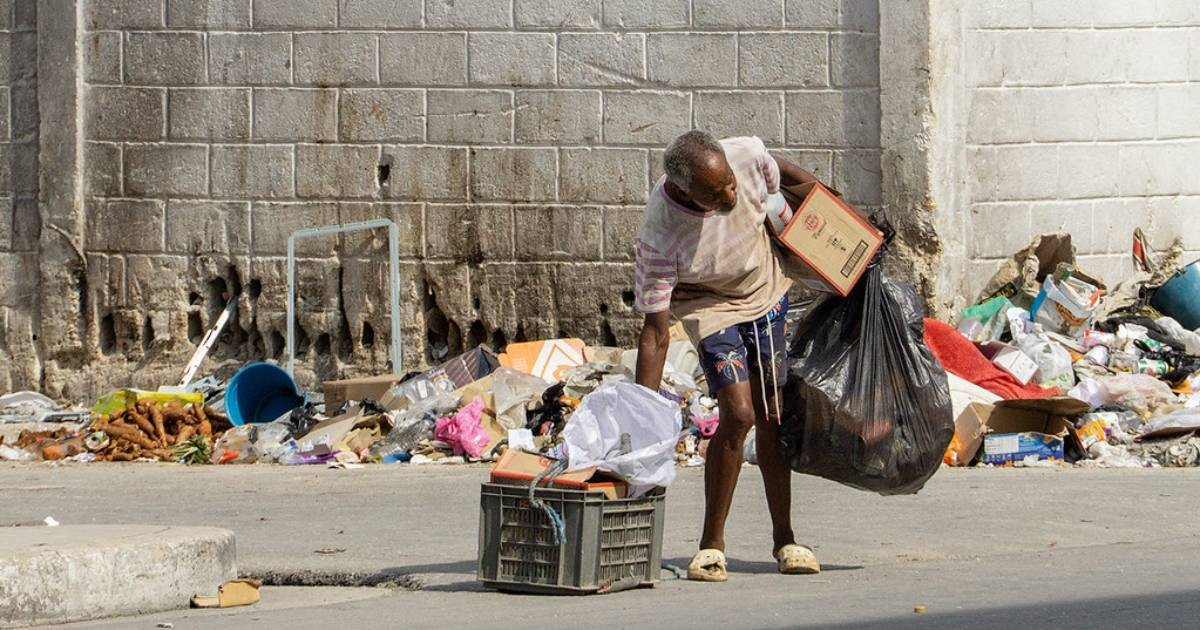
The discomfort expressed by Pino is not limited to the hospital system. In his letter, he also addressed issues with the supply of drinking water, water pollution affecting certain communities, and the accumulation of garbage in Cuban cities.
The doctor questioned the allocation of resources to renew vehicles for state companies while many families go long periods without receiving water and lack pumping equipment and electrical systems capable of maintaining that basic service.
The health issue related to water has been acknowledged even by specialists and official institutions. In October, pediatrician Vivian Mena Miranda, vice president of the Cuban Society of Pediatrics, warned about the increase in hepatitis and diarrheal diseases among children and the challenges of preventing them when families lack safe water.
Another issue addressed was the investment in hotels and other tourist facilities, in contrast to the deterioration of schools and educational centers.
Pino criticized that millions have been allocated to build a hotel in Havana that, he claimed, remains empty, while educational institutions have had to close due to construction issues and a lack of teachers.
He also rejected the expenses for fuel and resources in military exercises at a time when basic services are facing serious limitations.
“Cuba does not need external aggression, nor an internal theater to fight a fictitious enemy,” he stated in his message.
The doctor also questioned what he sees as a double standard among the authorities, who accuse those criticizing the country's situation of acting alongside the enemy while maintaining contacts with American representatives.
In their view, the leaders of the PCC must take responsibility for their decisions and stop presenting internal problems as the sole consequence of external factors.
"We can no longer blame the enemy for the mistakes made by those who decide in our country," he stated.
Critics agree with the acknowledgment of serious deficiencies in Cuban hospitals by the Minister of Public Health, José Ángel Portal Miranda, who at the beginning of November admitted to shortages of medications, medical supplies, diagnostic equipment, and operational issues in healthcare facilities.
The deterioration of services is also reflected in recent reports from families who can't even find basic materials to care for their children.
At the end of October, the case of a boy from Cárdenas, Matanzas, who needed a cast to continue treatment for a fracture, highlighted the difficulties that patients and their families face in obtaining essential supplies.
In the final part of his letter, Pino Fernández criticized that the mistakes of ordinary citizens have consequences while those responsible for government decisions receive different treatment.
His message concluded with a demand to the leaders of the Communist Party: “We are here waiting for you so that instead of sitting with the enemy, you sit with the people.”
Related videos:
Filed under: