
Related videos:
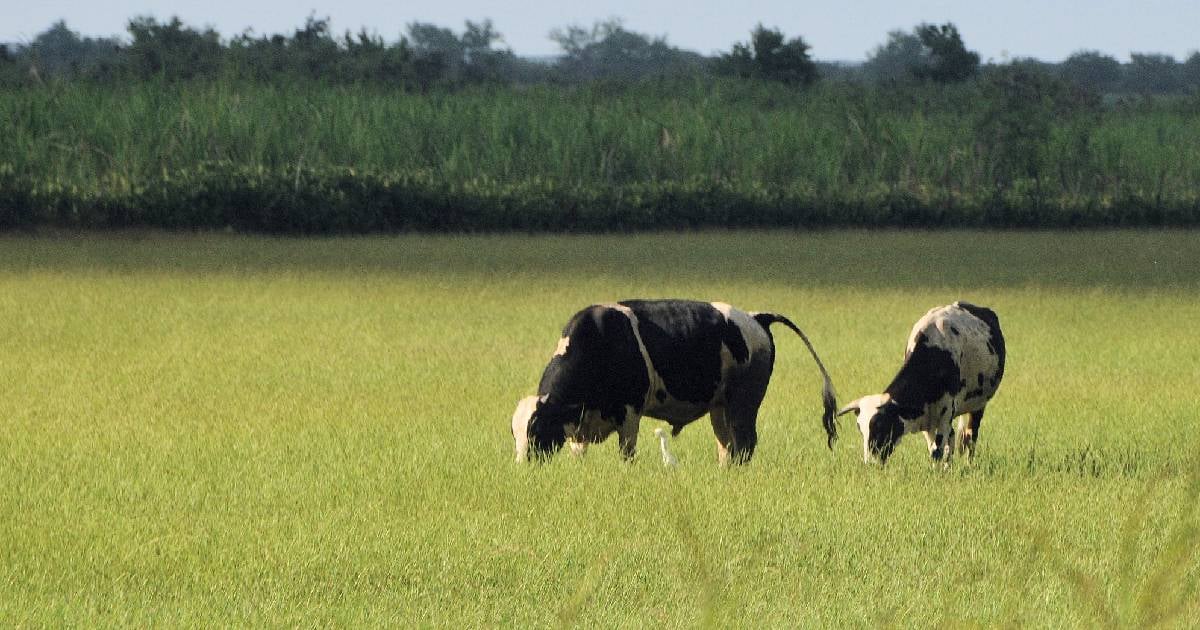
The livestock industry in the tunero municipality of Jobabo is crumbling after years of institutional neglect, erratic decisions, and unimplemented strategies, while producers struggle with a depleted herd, scarcity of resources, and demands that are not supported by real backing.
Thus describes the official newspaper 26, which notes that, in May 2025, the daily average of milk delivery in the municipality did not exceed 2,000 liters, about one third of what was collected in the same month prior to 2020.
The numbers don't lie: the livestock population is deteriorating rapidly. Every year, between 7 and 10% of the herd is lost, due to a lack of food, water, and medications, an increase in mortality, and overexploitation to meet quotas. On top of that, there is theft and illegal slaughter, with very little ability to reverse the situation due to a lack of investment, genetics, and technology.
Meanwhile, livestock farmers face greater demands than other sectors of the agricultural system, yet they receive between 80 and 90% less in resources. Supplies, technical assistance, equipment, fuel… everything is in short supply, the press noted.
The delivery of two mechanized milking systems, which could have been a relief, failed due to technical issues and lack of actual usage.
The drought alone does not explain the disaster. It was known to be a risk, but essential works such as deep wells, ponds, or small dams were never implemented to capture the rains during the brief period they occur and mitigate the impact of the dry season. Additionally, the planting of resilient crops was not planned.
"Now there is hardly any fuel, it's true, but when the situation wasn't so 'tight,' there was no foresight to balance that distribution to benefit the livestock environment. With few exceptions, the discussion has always been about fuel for collecting milk, not for producing it," the source argued.
The decisions made between 2017 and 2018 were another blow. More than 85% of the state herd was removed from the municipality, “due to decisions made by provincial officials, without considering that it jeopardized the development of the sector in the locality; and nothing was done from Jobabo to prevent it.”
Although the rationale for such a decision was based on the neglect of the cattle population and the outlook of extreme drought, with a risk of higher mortality than what already existed, “what the decision-makers failed to do was, instead of taking the cattle away, create the conditions with resources, materials, and manpower to reverse that scenario,” criticized 26.
There was discussion of development strategies in presentations to full rooms, but they were never implemented. Year after year, new strategies were introduced without follow-up or continuity.
The only visible incentives have been financial, but without structural support or real production conditions. Prices have increased, but so have inputs. Legal slaughter was permitted, but changing regulations turned it into an exception. The same goes for payments: slow, partial, or simply nonexistent.
According to the media outlet, "for the past 15 years, the only 'strategy' of incentive that has been observed for the sector has been inflationary, which, far from having a real positive impact on increasing contributions, causes production to stagnate or even decline."
On the other hand, the producer is blamed when the milk or meat plan fails, but little is said about the state entities that fail to supply even a single store. The control over cooperatives is continuous, yet no one is held accountable for dismantling structures that were functioning, such as the local feed factory or the state experimental areas for pastures and forage.
According to the publication, solutions still exist if executed with vision and will. However, this involves listening to those who produce, reclaiming technical knowledge, better distributing resources, and breaking free from the inertia that has left the livestock sector in Jobabo on the brink of collapse. As long as those who need to make decisions remain unchallenged, there will be no milk or meat worth having.
Cattle ranching in Cuba is facing a sustained crisis, marked by a decrease in the number of cattle due to failures in breeding technologies, a shortage of veterinary supplies and feed, a decline in productivity, thefts, and illegal slaughtering.
The lack of food and forage, the deficit of veterinary supplies, the deterioration of productive infrastructure, and the absence of economic incentives for producers have severely impacted livestock breeding and reproduction.
A national audit conducted between March 2024 and January 2025 detected 181,854 irregularities in the management of the cattle population in Cuba, as reported by Yudith Almeida Núñez, head of the Livestock Registration Department at the Ministry of Agriculture (MINAG).
The inspection revealed that there are currently 2,914,009 head of cattle in the country, according to the official portal Cubadebate.
Cuban farmers have reported that the theft and slaughter of livestock remain rampant in the countryside of the island, amidst the economic crisis and food shortages, which severely impacts agricultural economics and food security.
The province of Camagüey, which for years was the largest producer of milk in Cuba, has seen its annual volume plummet to less than half of the 92 million liters it produced in 2019, a decline that is not only numerical but also indicative of a structural crisis marked by disorder, unpaid debts, and a lack of effective responses.
Frequently Asked Questions about the Livestock Crisis in Jobabo, Las Tunas
What is the current situation of the livestock sector in Jobabo, Las Tunas?
Livestock farming in Jobabo, Las Tunas, is facing a severe crisis due to years of institutional neglect, resource shortages, and erratic policies that have led to the collapse of the sector. Milk production has drastically declined, and ranchers are struggling with a lack of supplies, technical assistance, and the necessary resources to operate effectively.
What are the main causes of the livestock crisis in Jobabo?
The main causes of the collapse in Jobabo include the shortage of food, water, and medication, the increase in livestock mortality, overexploitation to meet plans, the theft and illegal slaughter of cattle, as well as the lack of investment in infrastructure and appropriate technology.
What role do government policies play in the livestock crisis in Jobabo?
Government policies have been erratic and poorly implemented, contributing to the collapse of the sector. Decisions such as the extraction of 85% of the state herd without creating conditions for its development, the failure of development strategies, and the lack of monitoring and continuity in policies have worsened the situation.
Are there solutions for the livestock crisis in Jobabo?
Yes, viable solutions exist if executed with vision and determination. This includes listening to producers, reclaiming technical knowledge, better distributing resources, and breaking free from the inertia that has left the sector on the brink of collapse. However, as long as no concrete actions are taken, the crisis will persist.
Filed under: