
Related videos:
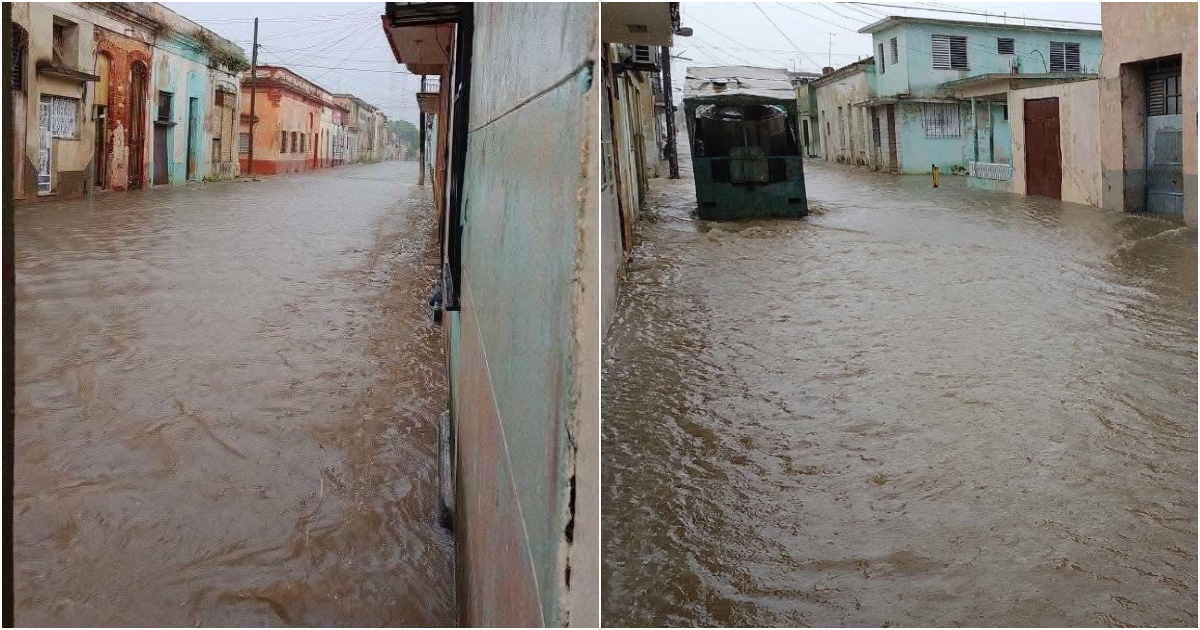
The intense rains that hit the province of Artemisa on Friday left the municipalities of San Antonio de los Baños and Mariel among the most affected, with reports of significant rainfall accumulation and damages still to be assessed, in an area where structural vulnerability is a constant issue.
According to information published by meteorologist Raydel Ruisanchez on his Facebook profile, there were numerous rainfall events in the afternoon, particularly affecting the inland areas and the northern part of the province.
The highest accumulation was recorded at the Mariel automatic weather station, with 41.1 millimeters of rain in just a few hours, highlighting the magnitude of the phenomenon.
The released images correspond to the municipality of San Antonio de los Baños, another area severely affected by the rainfall, where heavy downpours were reported.
Although local authorities have not reported any material damage or impacts on the population, the situation again highlights the fragility of the infrastructure in municipalities where every heavy rainfall poses a risk to homes, roads, and basic services.
In another post on the social network itself, the meteorologist indicated that rain is expected to continue on the afternoon of this Saturday, especially in the western and central regions, where it could reach heavy intensities, particularly in the interior and the northern coast of the west.
A broad area of low pressure is located in the eastern Gulf of Mexico, generating a moist flow from the south. In the mid to upper levels of the troposphere, a trough is observed over the southeast Gulf of Mexico and the western region of Cuba.
This situation maintains high levels of relative humidity, which, along with daytime warming, promotes the occurrence of showers, rain, and thunderstorms, especially during the afternoon hours, explained Ruisanchez.
In this regard, he recommended avoiding crossing flooded areas, not exposing oneself to thunderstorms, and staying informed about local weather alerts.
Cuba is a country filled with deadly traps on its streets and roads, which become even more dangerous when it rains and floods occur, as evidenced by complaints about uncovered manholes and abandoned drains.
The heavy rains that fell on Wednesday afternoon in the city of Bayamo, in the province of Granma, caused flooding in several streets and neighborhoods in the area, as well as interruptions to traffic and impacts on the local population.
A light drizzle was enough for, at the end of August, several streets in Havana to become flooded, in yet another sign of the breakdown of the sewage system, residents of the Cuban capital reported.
A few days ago, flooding was also reported on Calzada del Cerro, where videos shared by the independent media outlet CubaNet showed the emblematic avenue turned into a river, with water reaching the doorways of the houses.
Urban flooding has become a part of daily life for the people of Havana. Weeks ago, heavy rains caused the collapse of streets and homes in several municipalities, and a tragic building collapse in El Cerro resulted in the death of a baby just five months old.
Frequently asked questions about heavy rainfall in Artemisa and its consequences
Which municipalities have been most affected by the rains in Artemisa?
The municipalities of San Antonio de los Baños and Mariel were the most affected by the heavy rains in the province of Artemisa, with reports of significant water accumulation and damages yet to be assessed.
What structural problems exacerbate the consequences of the rains in Artemisa?
Structural vulnerability is a constant issue in Artemisa, where each heavy rain poses a significant risk to homes, streets, and basic services, due to inadequate infrastructure and a lack of proper maintenance.
What recommendations have been given to the population in light of the heavy rains?
The meteorologist Raydel Ruisánchez recommended avoiding flooded areas, not exposing oneself to lightning storms, and staying informed about local weather alerts to prevent accidents and protect the population.
Why do heavy rains and storms occur in western Cuba?
The intense rains in the western part of Cuba are caused by a broad area of low pressure located in the Gulf of Mexico, generating a humid flow from the south and a high relative humidity, which, along with daytime warming, promotes the formation of showers and thunderstorms.
Filed under: