
Related videos:
The Electric Company of Santiago de Cuba described the situation of the energy system in the province as “complex,” after confirming a deficit in electricity generation that prevents adherence to the planned schedule and forces the implementation of longer cuts than originally intended.
"Today it is not possible to meet the planned schedule, therefore the levels of impact will be high," said the state-owned company on Facebook.
According to reports from the Unión Eléctrica (UNE) on social media, the electricity service was disrupted during the 24 hours of Friday and into the early hours of Saturday.
The maximum impact occurred at 8:20 PM, with a deficit of 1,861 MW, coinciding with the peak demand time and that exceeds the forecasts due to the inoperability of unit 3 of the CTE Santa Cruz.
The crisis intensified with the shutdown of the Felton Thermal Power Plant (CTE) in Holguín, which is considered one of the cornerstones of electricity generation in Cuba.
According to government journalist Lázaro Manuel Alonso, unit 1 suffered a malfunction in its transformer, which will require at least 20 days of repairs, including cleaning work on the boiler and condenser.
The figures released reflect an even more critical situation. This Saturday, the country woke up with a supply of only 1,405 MW against a demand of 2,860 MW, resulting in an immediate deficit of 1,420 MW.
For the midday schedule, a deficit of 1,350 MW was projected, and during the nighttime peak, a shortfall of up to 1,835 MW with possible interruptions of 1,905 MW.
The endless crisis
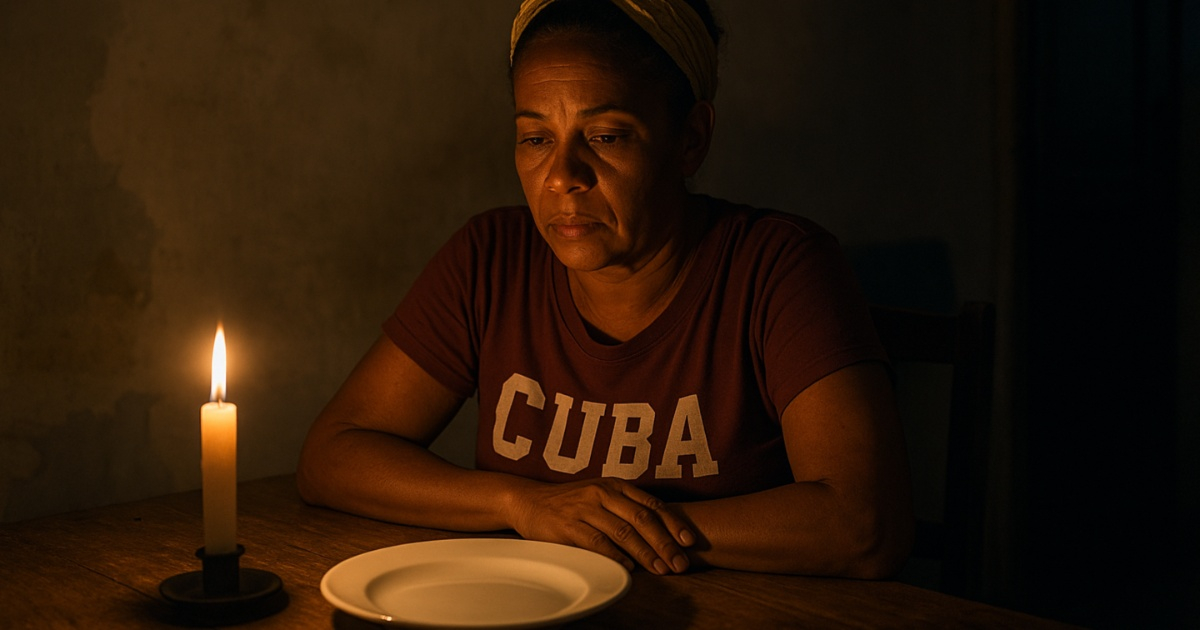
Power outages have exceeded 20 hours in several areas. In Havana, where the government is trying to mask the crisis with supposed block plans, the cuts occur without order or notice, leaving thousands of families without electricity during the day and night.
The situation has pushed a population that is already facing food shortages, lack of transportation, deteriorating drinking water, and a collapsed healthcare system to its limits.
Currently, there are six malfunctioning thermoelectric units at the power plants in Santa Cruz, Nuevitas, Felton, and Renté.
In addition, three more blocks from the CTE Santa Cruz and Cienfuegos are undergoing maintenance.
Due to a lack of fuel, 40 distributed generation plants with a total of 197 MW remain shut down. Additionally, there are 450 MW unavailable due to a shortage of lubricants.
Frequently Asked Questions about the Electric Crisis in Cuba
What is the current situation of the electrical system in Santiago de Cuba?
The situation in Santiago de Cuba is critical and complex due to a deficit in electricity generation that has necessitated longer than planned outages. The Felton thermal power plant, a cornerstone of electricity generation in Cuba, is out of service, exacerbating the crisis.
What has caused the electricity generation deficit in Cuba?
The deficit is due to multiple outages in key thermoelectric units, a lack of fuel and lubricants, and extended maintenance at several plants. The shutdown of the Felton power plant and the inactivity of other units such as the CTE Santa Cruz have also contributed to the deficit.
What are the consequences of prolonged blackouts in Cuba?
Prolonged blackouts have pushed the Cuban population to the limit, affecting quality of life by disrupting household activities, transportation, food preservation, and access to basic services. This is compounded by an already challenging situation due to the scarcity of essential resources.
What is the Cuban government doing to resolve the energy crisis?
The government has tried to alleviate the situation with the incorporation of photovoltaic solar parks, but their contribution is insufficient given the structural deficit. So far, no effective structural solutions have been offered to resolve the crisis in the short term.
Filed under: