
Related videos:
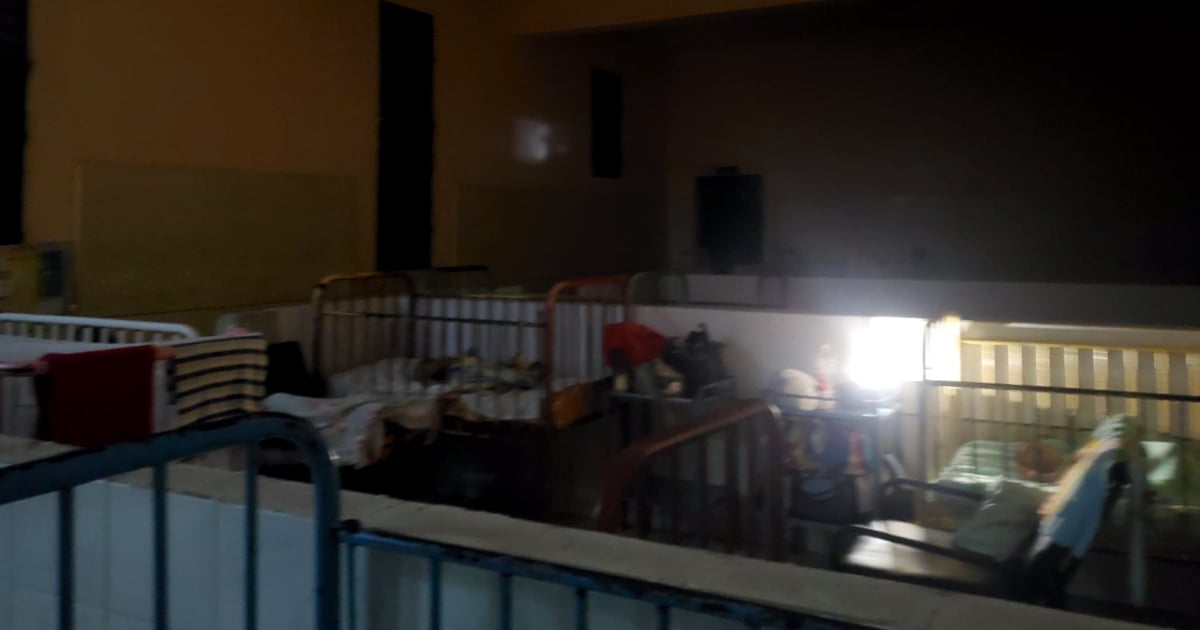
A blackout that occurred on the night of this Friday reportedly left the “General Luis Milanés Tamayo” Pediatric Teaching Hospital in Bayamo, in the province of Granma, in darkness, according to a report by the Facebook page 'La Tijera'.
According to that source, hospitalized children—some in serious condition—were left without electricity amid high temperatures and under the threat of mosquitoes, in a context of rising cases of diseases such as dengue and chikungunya.
The images shared on social media do not allow for independent verification of the extent of the blackout or the conditions within the medical center. There are also no official statements from health or government authorities regarding the incident.
In contrast, the report points out that several private businesses linked to the local ruling elite remained lit during the same night, some allegedly connected to prioritized electrical circuits—such as those of the state-owned company ETECSA—or supplied with private generators.
The testimony, presented as a reflection of inequality, fuels citizens' outrage over the energy crisis affecting the country. The prolonged blackouts, which are becoming increasingly frequent, impact both the population and essential service institutions, including hospitals and polyclinics.
In recent months, reports of patients' vulnerability during power outages in healthcare facilities have increased, exacerbating the perception of neglect and precariousness in the Cuban healthcare system.
The lack of transparency regarding power outages and the prioritization of certain sectors fuels social discontent, amidst a growing inequality between the majority of Cubans and the businesses of the new privileged class.
Cuban hospitals are also suffering from the crisis of blackouts
Power outages in hospitals and care centers have become a recurring phenomenon in Cuba over the past few years, with numerous citizen reports warning about the risk to patients' lives.
In March 2025, two nearly simultaneous incidents highlighted the extent of the crisis: a massive blackout forced the urgent transfer of critically ill patients in several provinces, while in Cienfuegos doctors reported being left in the dark in the middle of a hospital procedure.
Months earlier, in September 2024, images circulated from Matanzas showing a maternity hospital in darkness, while family members attempted to alleviate the heat for newborns with makeshift fans. In May of that same year, a similar report from Havana had exposed vulnerable mothers and babies during a power outage.
The problem is not new. Back in June 2022, a nurse from Sancti Spíritus publicly warned about the "dangerous blackouts" in medical facilities, indicating that they jeopardized the safety of patients and healthcare staff.
These reports, along with the most recent one in Bayamo, paint a concerning picture of the Cuban healthcare system, characterized by a lack of investment, a shortage of basic resources, and the absence of effective contingency plans in response to the energy crisis facing the country.
Filed under: