
Related videos:
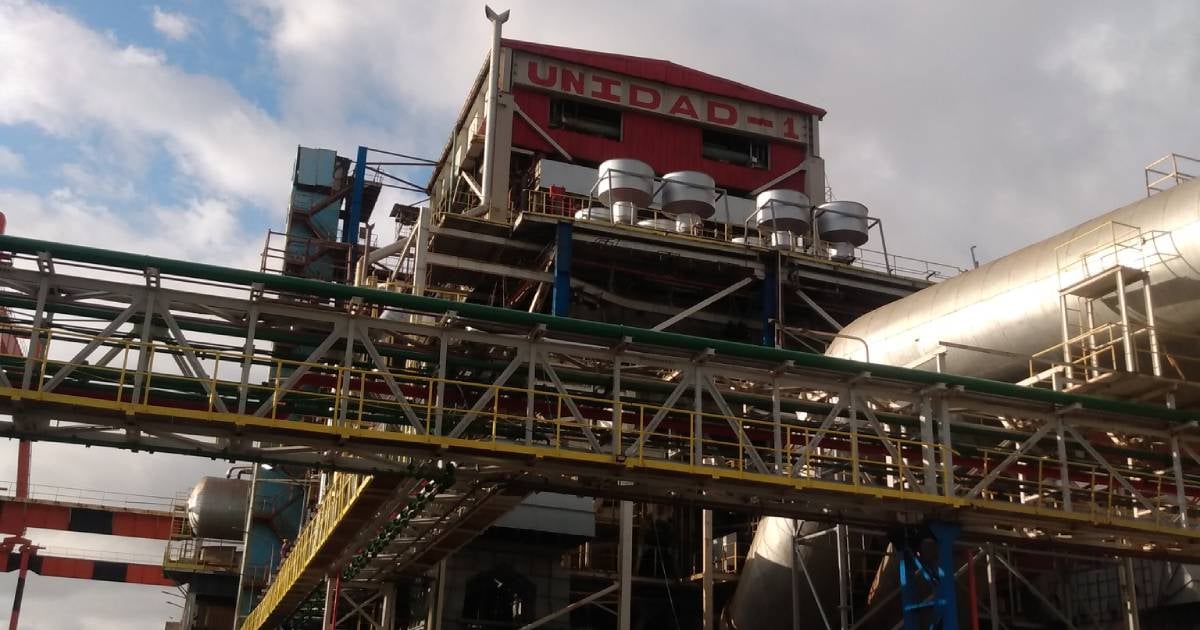
The shutdown of the Lidio Ramón Pérez thermoelectric plant, "Felton", in Holguín, not only plunged the already collapsed Cuban electrical system deeper into crisis, but also sparked a wave of outrage among citizens, who report living in “inhuman” conditions due to the endless blackouts.
According to the Electric Union (UNE), unit 1 of the plant experienced a malfunction in the transformer that will require at least 20 days of repairs, which worsens the generation deficit that was already exceeding 1,800 MW during peak hours.
The result is that entire families have faced outages of up to 30 continuous hours, with hardly any time to return to normalcy between blackouts.
In social media, Cubans describe the situation with words that capture the daily drama: “Unbearable, we have been without power for over 30 hours”, “it's inhumane to live like this”, “dying slowly like a terminally ill patient”.
Despair is echoed in multiple voices: “We no longer see light even at the end of the tunnel”, wrote another reader, while others assert that the country has been “sunk in darkness” for years, and that each breakdown confirms a destination with no way out.
Between rage and reproaches
Criticism is directed straight at the government. "What works well in Cuba aside from repression?", asked one user, while another called for the resignation of "all dictators and their accomplices."
The outrage is not limited to power cuts, but to the perception of abandonment: “Terrible, and they are living the sweet life”, they commented.
Others questioned the use of international aid and demanded transparency: "All the thermoelectric plants are collapsed, but they aren't telling the truth. Where are the millions they have received from allied countries?"
Although the government tries to showcase the installation of solar parks, Cubans believe it is an insufficient patch. Some propose more radical alternatives, such as expanding the use of solar panels in homes and utilizing vacant land for renewable generation. However, most agree that what is lacking is not technology, but political will and honest management.
A country in darkness
In the streets and homes, the situation is the same: food rotting without refrigeration, children sleeping in the dark under the suffocating heat, and adults resigning themselves to cooking by candlelight or with mobile phone lights.
Every prolonged blackout impacts not only family finances but also collective morale. "This is not life, it’s a torment,” summarized a reader.
And, while the Felton thermoelectric plant remains shut down, the feeling that the entire country is sinking with it spreads among a population weary of unfulfilled promises and empty words.
Frequently Asked Questions about the Electrical Crisis in Cuba and the Felton Power Plant
Why is the Felton thermoelectric plant out of service?
The Felton thermoelectric plant is out of service due to a malfunction in the transformer of unit 1. This situation requires at least 20 days of repairs and has significantly contributed to the electricity generation deficit in Cuba, which already exceeds 1,800 MW during peak hours. The shutdown of Felton exacerbates the country's energy crisis.
How long are the current blackouts in Cuba expected to last?
Power outages in Cuba have reached up to 30 continuous hours in some areas, and the situation is expected to persist as long as there is a deficit in electricity generation. The Electric Union has not provided a clear timeline for resolving this crisis. Cubans face daily outages that can last for much of the day and night.
What are the main criticisms of the Cuban population towards the government regarding the electricity crisis?
The Cuban population criticizes the government for the lack of transparency, the ineffective use of international aid, and the poor management of the electrical system. The criticisms focus on the perception of neglect and the lack of political will to solve the problem. Citizens question the government's honesty and demand real and structural solutions.
What solutions have been proposed to improve the electrical situation in Cuba?
The Cuban government has attempted to showcase the installation of solar parks as a solution, although citizens see it as an inadequate fix. Alternatives have been proposed, such as expanding the use of solar panels in homes and utilizing vacant land for renewable generation. However, most agree that what is lacking is political will and honest management to implement meaningful changes.
Filed under: