
Related videos:
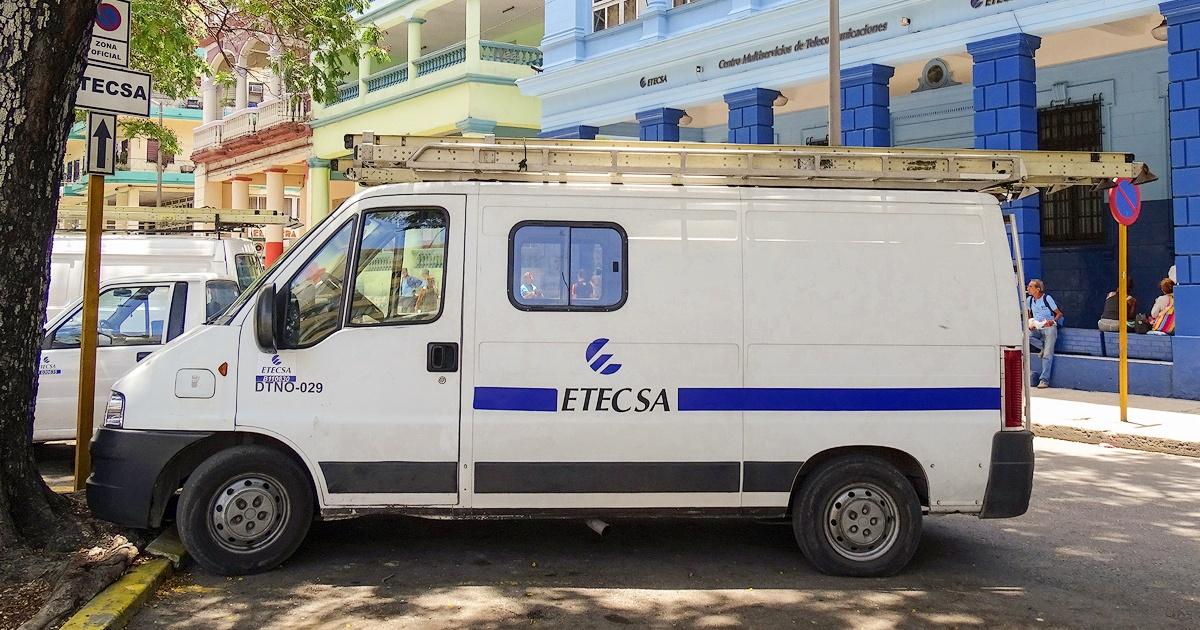
The Cuban Telecommunications Company (ETECSA) announced scheduled disruptions in mobile and landline phone services for the upcoming Tuesday, September 23rd.
The disruptions will occur between 00:00 and 06:00 in the early morning and are related to scheduled work on the platforms that support certain mobile and fixed services, reads a note from the state monopoly.
The work will focus on mobile services with numbers starting with 505, 506, 507, 508, 53, 54, and 63, which may be affected while technical actions are being carried out, they reported.
Additionally, customers with fixed-line telephones whose numbers start with the following prefixes may experience service disruptions: Pinar del Río (4821XXXX, 4847XXXX, 4860XXXX, 4861XXXX, 4881XXXX, 4888XXXX, 4899XXXX); Havana (7224XXXX, 7226XXXX, 7229XXXX, 7624XXXX, 7724XXXX, 7725XXXX, 7826XXXX); Ciego de Ávila (3337XXXX, 3338XXXX, 3340XXXX, 3341XXXX, 3398XXXX); Granma (2321XXXX); and Santiago de Cuba (2279XXXX)
ETECSA explained that this new interruption is a continuation of “the technical actions carried out on August 29,” as part of the technological modernization strategy to strengthen the telecommunications infrastructure.”
"Etecsa thanks you for your understanding and requests its users to stay informed through its official profiles on social media, the website www.etecsa.cu, and social communication channels," the note concludes.
Modernization, cuts, and foreign currency: Who foots the bill?
This announcement comes less than three months after ETECSA's CEO, Tania Velázquez, defended the massive increase in phone and internet rates, calling it a necessary step to sustain the company's technological infrastructure:
"The systems of ETECSA are in a sensitive situation. It is necessary to inject foreign currency," he justified at that time.
The official claimed that the country does not have the resources to maintain current services, let alone to make any progress.
"We're not even talking about development; we're talking about sustaining the services we have," he said in the midst of strong social backlash.
Despite the official justification, recent figures contradict part of the government’s narrative. As revealed by Prime Minister Manuel Marrero at the National Assembly, ETECSA raised over 24 million dollars in just 46 days following the rate hike, which amounts to more than half a million dollars per day.
However, that revenue, although high, does not reach the levels prior to the price increase, which suggests that the tariff hike has not ensured the promised "development," nor has it stopped the interruptions or the complaints about the deterioration of the service.
Frequently Asked Questions about ETECSA Interruptions and Rates
When will the ETECSA service interruptions take place?
Interruptions are scheduled for September 23 between 00:00 and 06:00 hours, affecting both mobile and fixed telephony in several regions of Cuba, due to technical modernization work.
Which numbers will be affected by the interruptions from ETECSA?
Mobile services with numbers starting with 505, 506, 507, 508, 53, 54, and 63 may experience disruptions. Additionally, fixed-line customers in Pinar del Río, Havana, Ciego de Ávila, Granma, and Santiago de Cuba will be affected. This is due to scheduled technical work by ETECSA.
Why does ETECSA carry out these cuts and how does it justify the increase in rates?
ETECSA justifies the cuts and rate increases as part of its strategy to modernize and maintain technological infrastructure. The company claims that it is necessary to inject foreign currency due to a lack of resources to maintain current services. However, the company has been criticized for failing to fulfill improvement promises and for continuing service interruptions.
What impact does the dollarization of ETECSA services have on Cubans?
The dollarization of services limits access for many Cubans, especially for those who do not receive remittances or lack access to foreign currency. ETECSA has implemented rates and plans in dollars, making it difficult for users who depend on the Cuban peso to access their services, which exacerbates inequality and social discontent.
Filed under: