
Related videos:
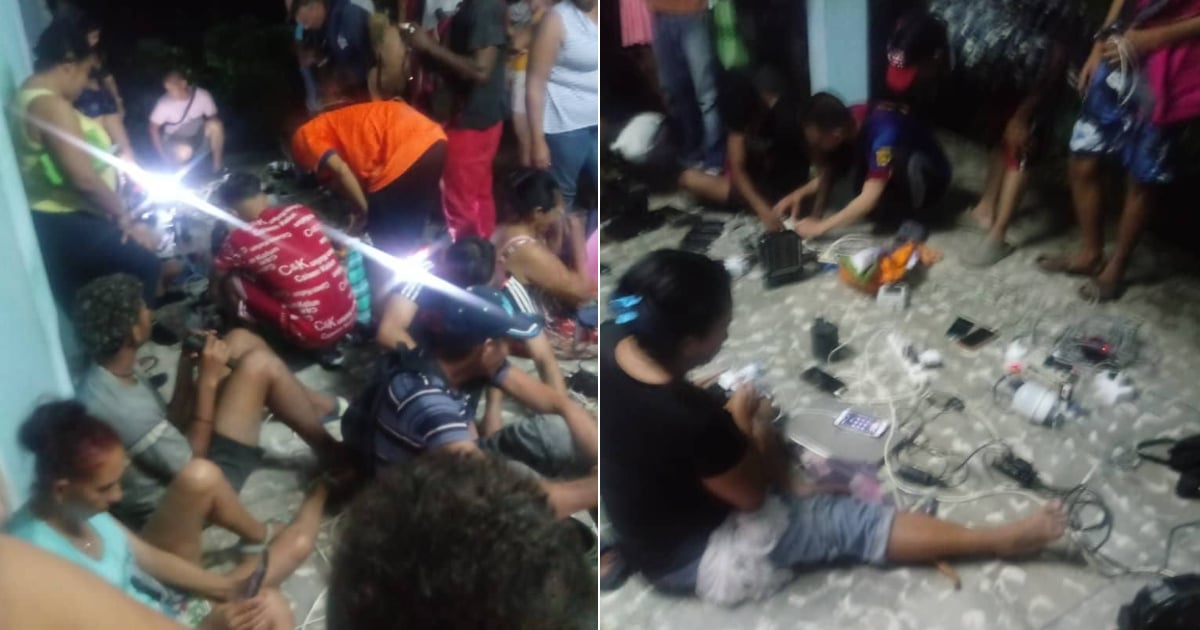
Families in the town of Grito de Yara, in the municipality of Río Cauto, province of Granma, have been without electricity and drinking water for over two weeks following the passage of Hurricane Melissa, according to a complaint on social media accompanied by images showing the harsh conditions in which the residents are surviving.
The opposition leader José Díaz Silva, head of the Opposition Movement for a New Republic (MONR), shared on his Facebook account testimonies and photos from the community, where—according to his account—families "have no way to cook or light their homes," and many must go to the town's clinic "to charge their phones and have light for a few minutes, as there is no way to do so at home."
"The little that has been received in the warehouses is just one pound of rice per person," he added in the post, where he denounced that "the authorities remain indifferent to the suffering of the people." In his publication, he also shared a neighbor’s testimony: "I have a sick child and I have no medication. There is nothing at the clinic either. Yesterday, Sunday, a man died at 5 in the morning, and by 3 in the afternoon, his body was still there because there was no vehicle to take it away."
The leader of the MONR added that "many families no longer have firewood or coal to cook" and called for urgent support with drinking water, food, and medicines. He also stated that "neighbors report that the greatest damage was not caused by the hurricane, but by the opening of the gates of the Cauto el Paso dam, which led to a massive flood that destroyed homes, crops, and belongings."
"Today, Grito de Yara cries out for help. The community feels abandoned, without answers, resources, and hope that the authorities will act," stated Díaz Silva, who accompanied his message with images that testify to the harsh reality faced by families.
Unfulfilled official promises and desperation in eastern Cuba
The testimony of the opposition coincides with the visit of the leader Miguel Díaz-Canel to devastated communities in Río Cauto, where he promised that "no one will be left without support" during a tour of areas affected by Hurricane Melissa. However, local testimonies and social media posts show that many rural areas continue to lack basic services and government assistance.
In other areas of Granma, victims reported having been abandoned in the sun with children and pregnant women, without water or food, while aid is concentrated in municipal capitals. The recovery of just 5 MW of electricity celebrated by the government has caused outrage among the residents of Granma, who continue to report prolonged blackouts and slow delivery of resources.
Among the testimonies that reflect the magnitude of the disaster is that of the wife of the political prisoner Alexander Verdecia Rodríguez, who displayed the condition of her home in Río Cauto, covered in mud and water, while she survived with her daughters under an improvised tent following the floods.
Reports from eastern Cuba describe entire communities surrounded by mud, pests, and debris, where thousands of people are still without drinking water or electricity. Despite repeated promises from the authorities, the situation in Granma continues to be one of neglect and hopelessness.
With information from the complaint by José Díaz Silva and reports from the CiberCuba newsroom.
Filed under: