
Related videos:
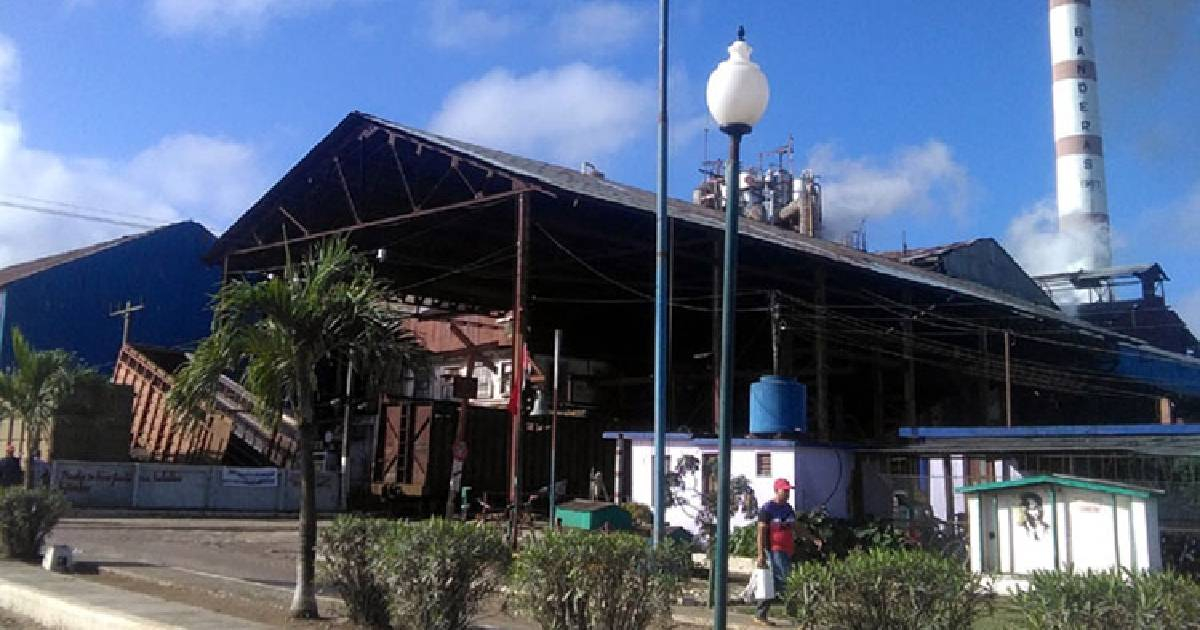
The sugar campaign in Villa Clara is once again suffering due to the energy crisis, as during a visit to the Quintín Bandera sugar mill in the municipality of Corralillo, authorities confirmed that the harvest will not be able to start on December 14 as previously announced.
The grinding has been rescheduled for the 26th, while the Héctor Rodríguez mill will move its start to late the first ten days of January 2026, confirmed the provincial broadcaster CMHW through its digital page.
Onel Pérez González, director of the Corralillo sugar mill, acknowledged that the delay is due to the "current energy situation and the lack of some essential resources" needed to complete the preparatory work.
Even so, he assured that the team is working against the clock to conduct the tests and reach industrial operation under minimally acceptable conditions, with the goal of producing more than 11,000 tons in the planned 78 days of milling.
The calendar change reflects, once again, the structural challenges plaguing the sugar sector, which will affect the performance of the 2025-2026 campaign.
What happens in this harvest will not only determine the supply allocated to the regulated basic basket but will also serve as a thermometer for the province's actual capacity to move towards greater sustainability in the sector.
The central province has not met its sugar production plans since 2019. During the 2024-2025 season, the Héctor Rodríguez and Quintín Bandera mills reported yields below 50% of what was planned, with low planting, lack of seed, and incomplete industrial repairs, in an environment characterized by improvisation.
Another province that was once a sugar producer, like Holguín barely reached nine percent of the planned sugar, with only 38% of the cane processed and a host of deficiencies revealing the depth of the crisis in the sector.
Cuban sugar production fell below 150,000 tons in the 2024-2025 harvest, the lowest level in over a century and less than half of what was achieved in the previous campaign.
The figure was far from the state target of 265,000 tons, highlighting the ongoing decline of an industry that, for generations, has been the central pillar of the country's economy.
This debacle has been driven by the scarcity of raw materials (sugarcane), recurrent power outages, fuel shortages, and the advanced deterioration of the infrastructure.
Filed under: