
Related videos:
Bolivia has made a historic turn in its foreign and economic policy. The new conservative president Rodrigo Paz announced the end of nearly two decades of leftist governments and strategic dependence on China and Venezuela.
His administration is now seeking a strong alliance with the United States to attract investment and technology in the extraction and processing of lithium, one of the planet's most coveted resources.
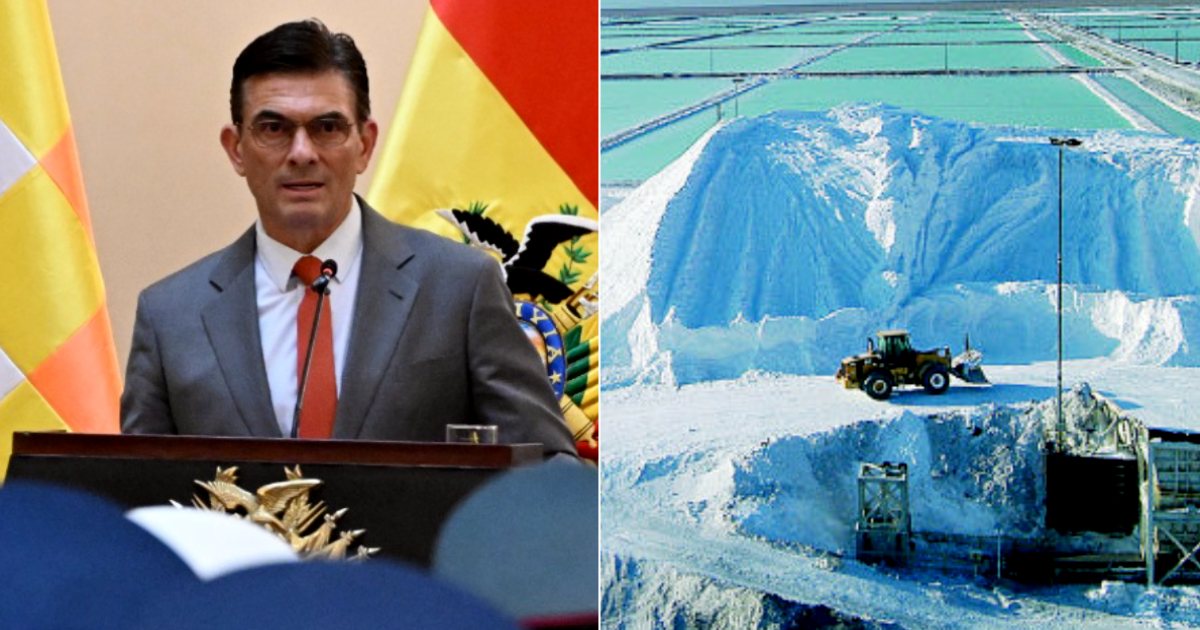
The Minister of Foreign Affairs, Fernando Aramayo, declared to Fox News Digital during his visit to Washington that Bolivia aims to “break the Chinese monopoly on the mining of natural resources” and open the sector to American companies.
"We want a long-term relationship with the United States, based on shared values and the defense of democracy," he stated.
Paz, who took office in November 2025, inherited a country worn down by corruption, economic crisis, and drug trafficking networks that, according to Aramayo's claims, had infiltrated the State during the administrations of Evo Morales and Luis Arce.
The collapse of the Movement for Socialism (MAS) paved the way for a liberal and pro-business project that seeks to reposition Bolivia on the regional map.
The new government plans to approve laws that facilitate foreign investment and promote the transfer of American technology, especially in the sustainable extraction of lithium from the Uyuni salt flat, one of the largest reserves in the world.
Aramayo also confirmed the resumption of diplomatic relations with Israel, which had been suspended during the war in Gaza by the previous government, and expressed concern about the growing influence of organized crime in South America. “The cartels have undermined trust in institutions and fueled regional instability,” he warned.
Meanwhile, Washington is intensifying its pressure against the regime of Nicolás Maduro, who is accused of links to drug trafficking. In this context, Bolivia is emerging as a new strategic ally for the United States in South America, determined to promote a "democratic transition" in Venezuela and to consolidate a foreign policy more aligned with the West.
Filed under: