
Related videos:
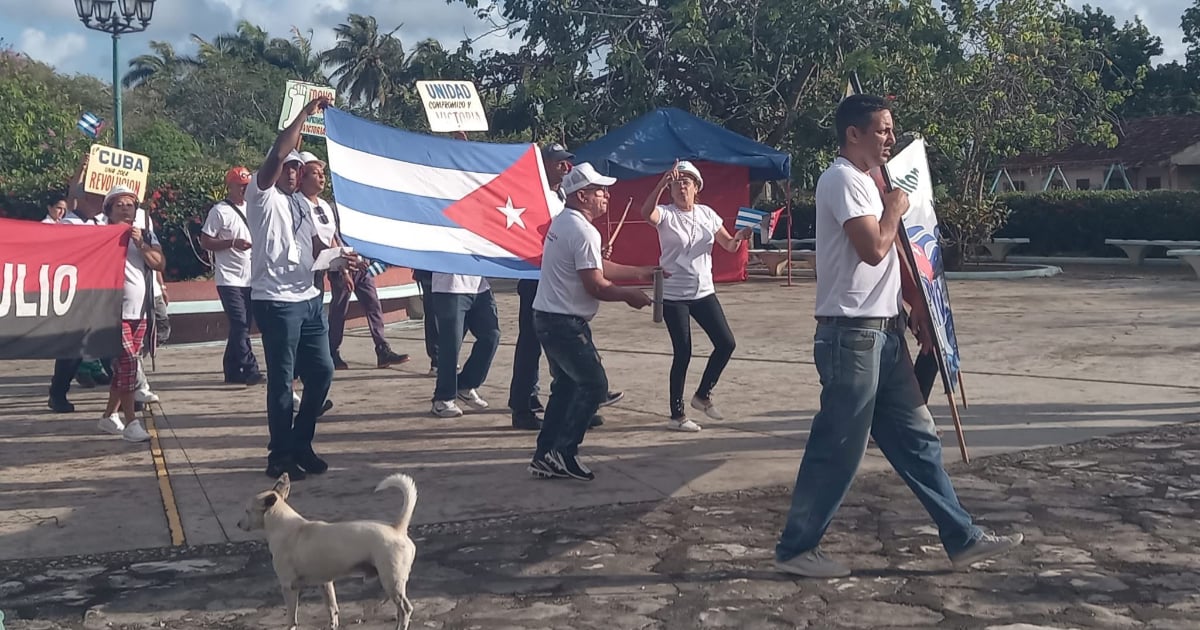
In the midst of one of the most severe economic crises that Cuba has experienced in recent decades, the regime in Havana called on the population to march this May Day.
The leader Miguel Díaz-Canel used his account on X to deliver a message filled with ideological slogans: “Let us march against the blockade and the returning fascism. Against the genocide in #Gaza and the silent genocides caused by the sea of injustices threatening our species. Let us march for that better possible world that #Cuba wants and deserves. See you on #1Mayo!”
A call disconnected from reality
The message, far from resonating with the real concerns of the Cuban people, has generated backlash on social media, where many comments sarcastically highlight the critical situation on the island: daily blackouts, food shortages, a collapsed transportation system, and hospitals lacking supplies.
"The only thing you can feel here is blackout," wrote a user in response to the official propaganda, directly referencing the lack of electricity that has once again become a constant in several provinces, while the well-known phrase was also mentioned: "Let Sandro go," alluding to Sandro Castro.
Propaganda on the Ropes
Days earlier, the Presidency of Cuba published on its website a document titled Message to the Workers and the People of Cuba, in which Díaz-Canel emphasized the "pride" of continuing the celebrations of International Workers' Day "even amid the most severe shortages."
The official machinery was also mobilized from state media. The official newspaper Granma published on Facebook: “Cuba is already breathing May 1st. No one will take away from the Cuban people the tradition of their May 1st. Neither the blockade nor the shortages and economic tensions it generates will diminish [...] the support of this people for their Revolution.”
Between duty and fear
Despite the difficulties, many Cubans end up attending the parades. Not out of conviction, but out of fear of job reprisals or institutional pressure. For state employees and students, attendance is usually mandatory. Absence can result in warnings, sanctions, or loss of incentives.
Meanwhile, popular discontent is growing and becoming more visible on social media, in the overwhelming emigration, and in the gradual deterioration of daily life. Instead of responding to this outcry, the regime once again chooses to cling to old rituals, as if the parade could conceal the lack of bread, light, and hope.
Frequently asked questions about the May Day march in Cuba and the current situation in the country
Why does the Cuban regime call for a march on May First?
The Cuban regime calls for a march on May First to reaffirm its ideology and display a supposed unity of the people, even amid the economic crisis. The government uses this event to blame the U.S. embargo for internal difficulties and to attempt to revive popular support, although the reality of shortages and power outages contradicts this purpose.
How does the Cuban population react to the call to march?
The Cuban population reacts with rejection and criticism to the call for a march. Many citizens see this march as an imposition and a disconnection of the government from the reality that the people face, characterized by blackouts, food shortages, and a collapsed service system. Attendance is often coerced out of fear of workplace reprisals.
What problems is Cuba currently facing that affect its daily life?
Cuba is facing a serious economic and energy crisis, evident in frequent blackouts, shortages of food and medicine, and a collapse of public services. The devaluation of the Cuban peso and inflation further exacerbate the situation, leading many Cubans to seek alternatives in the black market or rely on remittances from abroad.
Why is the Cuban regime criticized in the context of the current crisis?
The Cuban regime is criticized for its inability to provide real solutions to the crisis. Citizens point out the lack of transparency, corruption, and the unequal distribution of resources, as well as a governmental rhetoric that ignores structural deficiencies and internal management issues. The constant official speeches contrast sharply with the reality experienced by the majority of the population.
Filed under: