
Related videos:
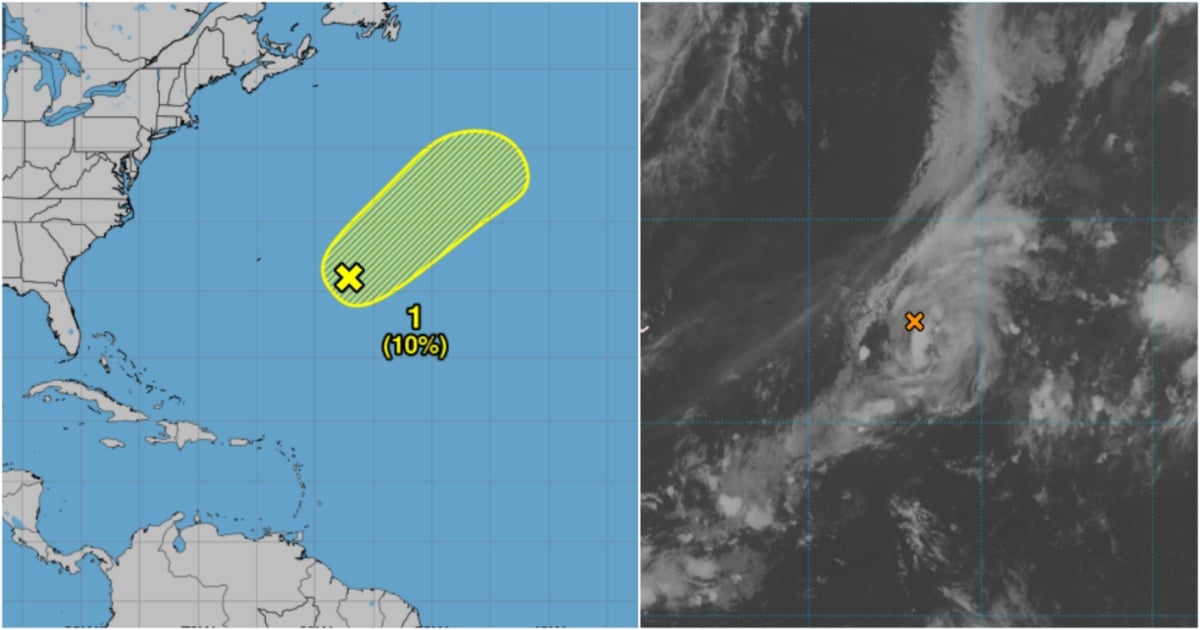
The first area of low pressure in the Atlantic of the current hurricane season formed this weekend.
“A low-pressure area located about 725 kilometers east of Bermuda shows signs of organization. This system has a moderate chance (40%) of developing into a tropical cyclone within the next day, but it does not currently pose a threat to land,” was stated in a part of yesterday's report from the National Hurricane Center (NHC).
So far in the 2025 season, five tropical cyclones—two hurricanes and three tropical storms—have formed in the Pacific Ocean, but none have occurred in the Atlantic so far.
After making landfall last Thursday morning as a category 3 hurricane in the state of Oaxaca, Erick left a toll of four deceased and numerous damages in various regions of Mexico.
An active hurricane season is expected
The Colorado State University (CSU) recently reaffirmed its forecast that the current hurricane season in the Atlantic will be more active than usual, with 17 named storms, 9 hurricanes, and 4 of high intensity (categories 3, 4, or 5).
The main factor explaining this season above normal is the behavior of the Atlantic Ocean temperatures, which remain well above average.
Additionally, an important factor is the likely absence of the El Niño phenomenon during the most active months of the cycle, from August to October.
Both conditions create a more favorable environment for the development of tropical cyclones, as the winds that typically disrupt or weaken these formations are reduced.
The report warns that the expected cyclonic activity represents 125% of the average recorded between 1991 and 2020, with 155 estimated points of accumulated cyclonic energy (ACE).
This value measures the combined intensity and duration of the storms.
In particular, it is expected that 56% of this activity will have the potential to impact the Caribbean, a particularly sensitive piece of information for countries like Cuba, which are still grappling with the structural and economic effects of cyclones from the 2024 season.
The report also references previous years with similar patterns: 1996, 1999, 2008, 2011, and 2021.
In many of them, especially destructive hurricane seasons occurred in the Caribbean and the southeastern United States.
Although no specific trajectories or impact zones are projected, researchers insist that it only takes one storm making landfall for the entire season to be deemed critical.
Frequently Asked Questions about the 2025 Atlantic Hurricane Season
How many storms and hurricanes are expected in the 2025 cyclone season?
The 2025 hurricane season is expected to be more active than usual, with a forecast of 17 named storms, 9 hurricanes, and 4 major hurricanes. This forecast is supported by Colorado State University and aligns with other estimates from international organizations, such as NOAA.
Why is a more active hurricane season expected in 2025?
The main factor contributing to a more active hurricane season in 2025 is the behavior of the Atlantic Ocean temperatures, which remain well above average. Additionally, the likely absence of the El Niño phenomenon during the most active months of the cycle also supports the development of tropical cyclones, as the winds that typically disrupt or weaken these formations are reduced.
What risks does the Caribbean, particularly Cuba, face during this hurricane season?
The cyclonic activity projected for 2025 represents 125% of the average recorded between 1991 and 2020. It is expected that 56% of this activity will have the potential to impact the Caribbean, which is particularly concerning for countries like Cuba. The Cuban Meteorological Institute has warned of a moderate risk of direct impact, with a 75% probability that at least one hurricane will form and intensify in the Caribbean.
What are the official names for the storms of the 2025 hurricane season?
The official names for Atlantic tropical storms in 2025 are: Andrea, Barry, Chantal, Dexter, Erin, Fernand, Gabrielle, Humberto, Imelda, Jerry, Karen, Lorenzo, Melissa, Nestor, Olga, Pablo, Rebekah, Sebastien, Tanya, Van, and Wendy. This list is reused every six years, although names of particularly destructive storms may be permanently retired.
Filed under: