
Related videos:
Russia and Cuba are progressing in a new strategic alliance to establish a joint logistics center at the Port of Mariel, a location that could place the island at the heart of Russian trade with Latin America, but which also raises questions about sovereignty, dependency, and the real benefits for the Cuban population.
The announcement was confirmed by official Russian media following the St. Petersburg International Economic Forum (SPIEF 2025). According to Tatyana Mashkova, president of the National Committee for Economic Cooperation between Russia and Latin America, both parties are already working "in parallel" to establish this hub at Cuba's most important deep-water port.
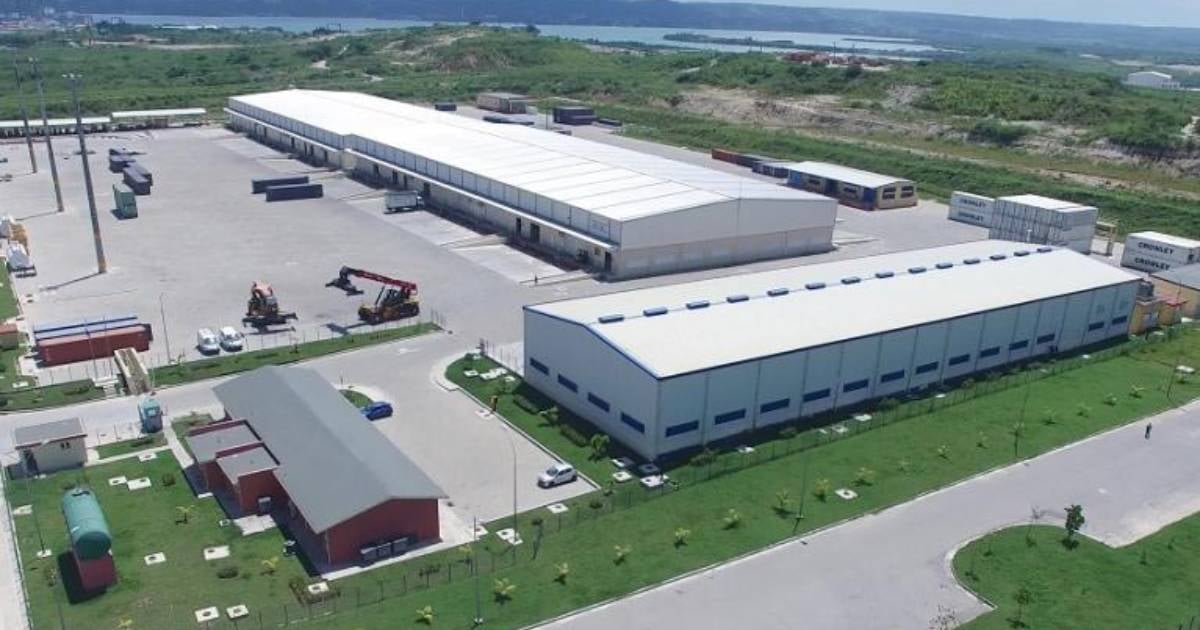
Mariel, strategically located at the entrance to the Gulf of Mexico, already has modern infrastructure: a container terminal, a free trade zone, and rail connectivity. Additionally, it offers tax exemptions that have attracted several Russian companies, even amid the U.S. embargo.
The declared intention of the project is to streamline trade flows between Moscow and Latin America, using Cuba as a regional bridge. Mashkova mentioned that avenues are also being explored to enhance financial cooperation, with the support of the Russian Export Center, which could reduce logistical barriers and facilitate bilateral operations.
“Our companies could benefit from this Cuban platform to distribute their products more actively throughout the region,” said the Russian official, pointing to markets in Central America and the Caribbean.
Additionally, the Cuban government has offered 50 hectares within the Mariel Special Development Zone for the establishment of an industrial park aimed at the Eurasian Economic Union (EEU), led by Russia. The land would be leased for 50 years, with the possibility of extension.
The EEU, comprised of five former Soviet countries (Russia, Armenia, Belarus, Kazakhstan, and Kyrgyzstan), has regarded Cuba as an observer country since 2020, and is seeking to strengthen its presence in the Western Hemisphere.
And what does this mean for Cubans?
While the political leadership promotes international alliances, the Cuban population continues to face a deep economic crisis, characterized by shortages of food, medicine, and fuel, along with rampant inflation that erodes salaries and pensions.
The project in Mariel may seem like a gateway to development, but many Cubans wonder if these agreements will translate into decent jobs, more accessible basic goods, or real improvements in their quality of life. It also raises concerns about the growing role of Russia in the Cuban economy and politics, amidst the international isolation of the regime in Havana.
Frequently Asked Questions about the Trade Alliance between Cuba and Russia at the Port of Mariel
What does the new trade alliance between Cuba and Russia at the Port of Mariel imply?
The alliance aims to establish a joint logistics center at the Port of Mariel, with the goal of streamlining trade flows between Russia and Latin America, using Cuba as a regional bridge. This includes the creation of an industrial park for the Eurasian Economic Union, which could increase Russian presence in the Cuban economy.
What are the concerns about Cuba's sovereignty and dependence regarding this alliance?
There are concerns about Cuba's increasing dependence on Russia, which could compromise the island's sovereignty. The alliance strengthens Russia's position in Cuba's economy and politics, in a context where the Havana regime is facing significant international isolation.
How does this alliance affect the Cuban population?
Although the project in Mariel may seem like a gateway to development, many Cubans wonder if it will result in real improvements in their quality of life, such as decent jobs and more accessible basic goods. The reality is that the Cuban people continue to face a deep economic crisis with shortages of food, medicine, and fuel.
What are Russia's strategic interests in consolidating this alliance with Cuba?
Russia seeks to strengthen its geopolitical presence in Latin America through Cuba, which has historically been a strategic ally. The establishment of the logistics center in Mariel and the industrial park for the Eurasian Economic Union are steps in that direction, in an effort to consolidate its influence in the region.
Filed under: