
Related videos:
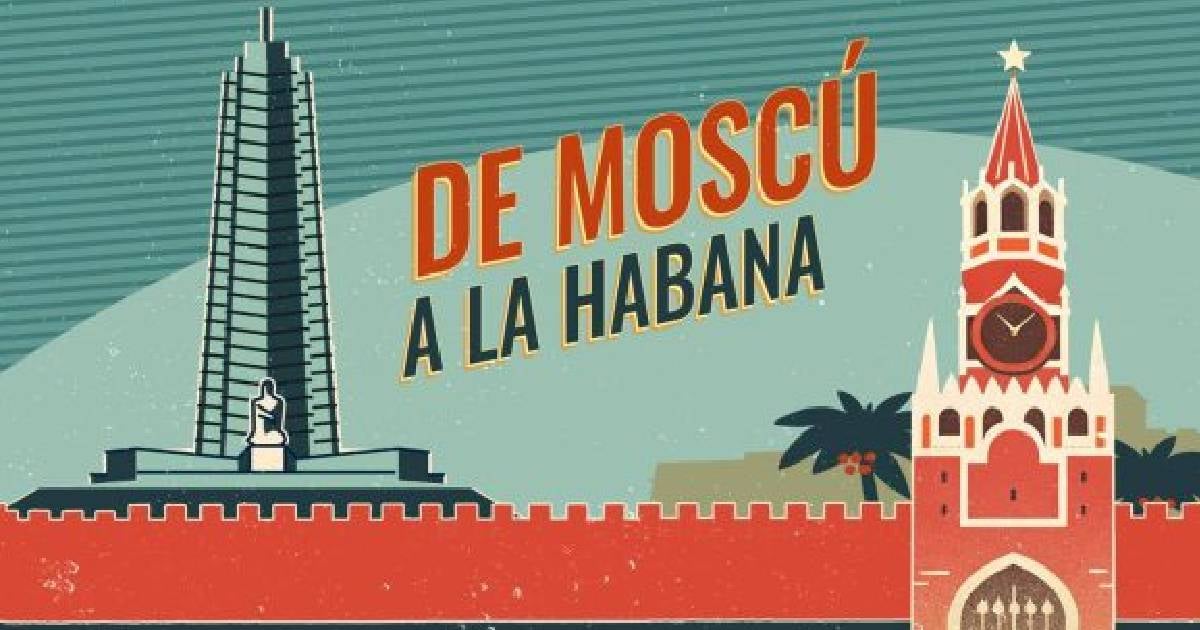
In a new sign of the strengthening of the ties between Moscow and Havana, Russian authorities confirmed that they are in discussions to launch a recreation and rehabilitation program for Russian children in Cuba.
According to the official portal Cubadebate, the initiative was announced by Serguéi Ribálchenko, an official from the Civic Chamber of Russia, during a round table on cooperation with Latin America held this week in Moscow.
Ribálchenko emphasized that this type of exchange not only benefits health and child development but also lays the groundwork for long-term cultural and diplomatic relationships: “If children make friends there, this will lead to future connections and relationships,” he stated.
It also revealed that a group of young Cubans will be traveling to St. Petersburg soon to continue their training in the Russian language, and additionally proposed the creation of a BRICS camp for children from the member countries of the bloc.
During the event, other symbolic and diplomatic proposals were presented, such as the possible visit to Cuba by the famous tall ships Krusenstern and Sedov in 2026, to commemorate the centenary of the birth of the late dictator Fidel Castro.
In addition, possibilities for cooperation in health, telemedicine, biopharmaceuticals, and medical tourism were discussed, while Russian officials highlighted Cuba's advancements in the biotechnology sector.
The shared agenda clearly reflects the Kremlin's intention to strengthen its strategic presence in the Caribbean through “soft” alliances that combine diplomacy, education, and health.
Other plans
In December 2024, it was announced that Cuban children from various provinces will have the opportunity to enjoy their summer vacations in St. Petersburg, as part of a program launched by the local government to strengthen cultural ties and provide unique experiences to the young visitors.
On its digital page, the television channel Gorod Plus stated that the mentioned city will welcome children from the island and Vietnam in 2025, as reported by Governor Alexander Beglov during a municipal government meeting.
But while those plans gain momentum, last May the Union of Orthodox Banner Bearers, a conservative Russian group, asked the government of the Rostov region to prohibit travel to Cuba for minors due to the legalization of gay marriage on the island.
The request, which extends to children across Russia, was sent to the relevant committees and to the head of the General Directorate of Migration Affairs of the Ministry of Internal Affairs, Valentina Kazakova, by the deputy head of this organization, Igor Miroshnichenko, according to a report from the Russian media PanRam.
Frequently Asked Questions about the Recreation and Rehabilitation Program for Russian Children in Cuba
What does the program for the recreation and rehabilitation of Russian children in Cuba consist of?
The recreation and rehabilitation program for Russian children in Cuba aims to promote health and child development through stays on the island, as well as to establish long-term cultural and diplomatic ties. This initiative was announced by Serguéi Ribálchenko, an official from the Civic Chamber of Russia, and is part of Moscow's efforts to strengthen its ties with Havana.
What is Russia's objective in sending children to Cuba?
Russia seeks to strategically strengthen its presence in the Caribbean through diplomatic, educational, and health alliances. The sending of Russian children to Cuba aims not only at recreational purposes but also at establishing long-term cultural relations and reinforcing cooperation between the two countries.
What other initiatives are being discussed between Russia and Cuba besides the children's program?
In addition to the children's program, projects in health, telemedicine, biopharmaceuticals, and medical tourism are being explored. Symbolic and diplomatic proposals have also been mentioned, such as the possible voyage of Russian sailing ships to Cuba and the establishment of a BRICS camp for children from the member countries of the bloc.
How does the legal status of gay marriage in Cuba affect this program?
A Russian conservative group has called for a ban on Russian children traveling to Cuba due to the legalization of gay marriage on the island. This request reflects the restrictions faced by the LGBTI community in Russia and could encounter resistance from both tourism operators and Russian legislation itself.
What impact does the cooperation between Russia and Cuba have on tourism?
The cooperation between Russia and Cuba aims to revitalize tourism, a key sector for the Cuban economy. Despite the decline in Russian tourism to Cuba, both countries are seeking agreements, such as the one promoted with the agency Rus Cuba Dive, to increase the flow of tourists and diversify tourist offerings on the island.
Filed under: