
Related videos:
Cuban authorities have warned that acts of vandalism against telecommunications infrastructure in Santiago de Cuba could be punished with sentences ranging from seven to 15 years of imprisonment, in accordance with Article 125 of the new Penal Code, which categorizes these actions as sabotage offenses.
According to the official newspaper Granma, there have been thefts and deliberate damage to perimeter fences, coverings, batteries, and other components at least in 17 recently installed mobile phone towers —also known as radio bases (RBS)— in the province.
The events have occurred in both rural and urban areas, primarily taking advantage of nighttime hours and the frequent power outages experienced by the population.
One of the affected areas was Alto del 30 de Noviembre in Santiago de Cuba, where individuals forced open the door of the technical cabinet and stole a battery.
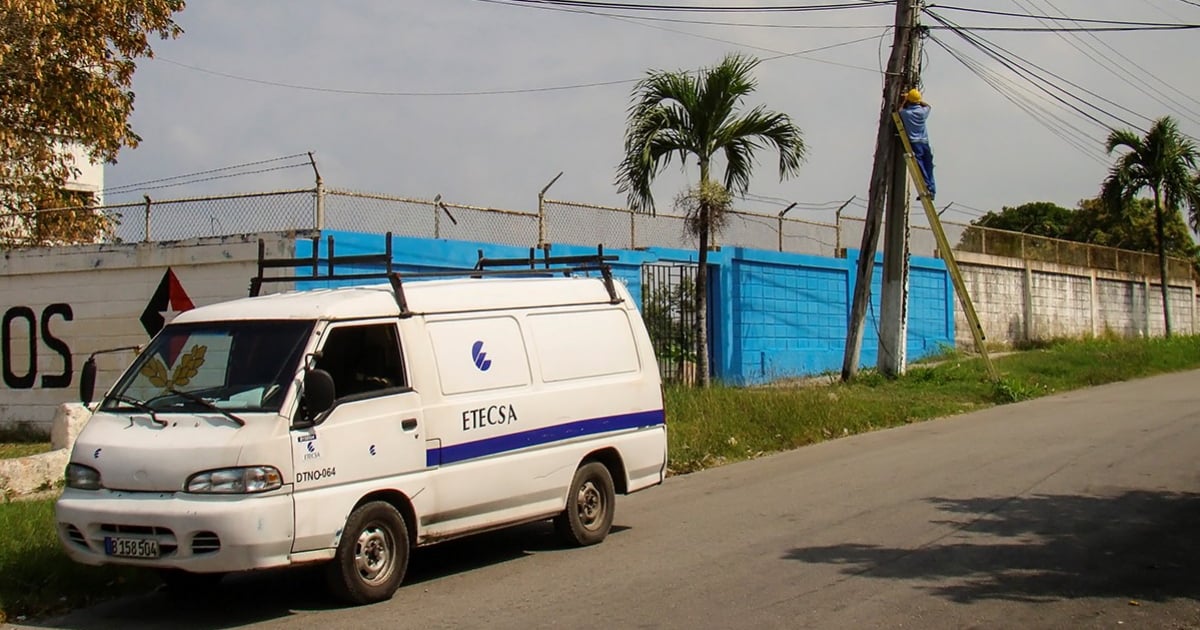
According to the newspaper Granma, local residents reported that these acts seriously impact the connectivity of their communities, forcing the Telecommunications Company of Cuba (Etecsa) to replace equipment repeatedly.
The situation, which reveals persistent vulnerabilities in the telecommunications infrastructure, is not new and remains without a definitive solution.
In other areas such as San Vicente, Micro V, and La Placita, there have also been reports of thefts of magnetic switches and materials that are allegedly then sold in the informal market.
In response to this situation, Etecsa has implemented stricter monitoring measures through its Management Center, which receives automatic alerts when the cabinets of the RBS are opened.
However, the vandals have adapted their "modus operandi" by entering through the back of the structures to avoid immediate detection.
As a result of the incidents, several investigative and judicial processes are currently underway in the province against those purportedly responsible.
Authorities have reminded that in cases where these acts of sabotage pose a danger to human life or collective safety, penalties could be even more severe.
Amid severe economic and technological limitations, the government spokesperson boasted that Santiago de Cuba currently has 187 operational radio bases and a plan to install an additional 21 by the end of 2025, making these facilities strategic assets of high community value.
Frequently Asked Questions about the Sabotage of Mobile Phone Towers in Cuba
What penalties do those responsible for sabotaging telephone towers in Cuba face?
Vandalism acts against telecommunications infrastructure in Cuba, such as cell towers, are considered sabotage crimes under Article 125 of the new Penal Code. The penalties for these crimes can range from seven to 15 years of imprisonment. The sanctions could be more severe if the acts of sabotage pose a danger to human life or collective safety.
How do sabotages affect connectivity in Santiago de Cuba?
The sabotage has seriously affected connectivity in the communities of Santiago de Cuba, forcing ETECSA to replace equipment repeatedly. These damages include theft of batteries and essential components from the radio bases, which interrupts phone and internet service.
What measures has ETECSA implemented to prevent vandalism at its facilities?
To address the issue of vandalism, ETECSA has implemented stricter monitoring measures through its Management Center, which receives automatic alerts when the cabinets of the radio bases are opened. However, the vandals have adapted their "modus operandi" to evade immediate detection.
What are the causes behind the deterioration of telecommunications services in Cuba?
The deterioration of telecommunications service in Cuba is due to a combination of factors, including vandalism, the use of illegal antennas and repeaters, and the lack of resources to modernize the infrastructure. The shortage of foreign currency has limited ETECSA's ability to make necessary technological investments.
Filed under: