On the fourth anniversary of the historic protests of July 11, 2021, in Cuba, the United States Embassy in Havana expressed its support for the families of political prisoners, reaffirming its commitment to freedom, human rights, and the democratic future of the Island.
Through its official account on X, the diplomatic representation dedicated some heartfelt words to the mothers, fathers, daughters, brothers, grandmothers, relatives, and friends of those who remain unjustly imprisoned.
"We recognize those who took to the streets with dignity and courage, demanding freedom and a better future," the message reads.
As Secretary of State Marco Rubio has stated: "We support you" and will continue to advocate for the release of all political prisoners. To all the Cuban families who continue to wait: you are not alone. Your strength and love continue to inspire, he adds.
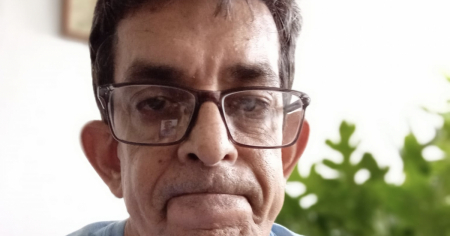
The text is accompanied by photos of the Chargé d'Affaires of the Embassy, Mike Hammer, talking with the families of the prisoners in their homes.
"Four years later, the Cuban people still desire and deserve what they called for on July 11, 2021: food, freedom, and a future. We urge the Cuban regime to release all political prisoners who are unjustly detained," another tweet states.
Diplomatic support in Havana
This week, Hammer hosted a meeting at his official residence in Havana with dissidents, independent journalists, and family members of political prisoners.
The event, held under strict security measures, was a direct gesture of encouragement to Cuban civil society, in a context of surveillance and repression by the regime.
During the meeting, a recorded message from Secretary of State Marco Rubio was shown, in which he reaffirmed his support for those present and praised their bravery in the face of repression.
"I know it's not easy to live on that enslaved island and to face a regime that does everything possible to punish you. But you don't give up, and that inspires us," Rubio stated.
"July 11 marked a turning point. It was an inspiration for all of us who love freedom and dream of a free, sovereign, and independent Cuba," he added.
The Undersecretary of State, Christopher Landau, also participated virtually. In his intervention, he praised the bravery of the activists: "Speaking the truth in a country like Cuba is a revolutionary act. They are not only writing their personal stories with dignity but also the history of their country."
Both officials demanded the immediate release of all political prisoners, specifically mentioning opposition leader José Daniel Ferrer, whose health has severely deteriorated in prison after starting a hunger strike.
For her part, Cuban-American Congresswoman María Elvira Salazar also reaffirmed her commitment to the freedom of Cuba on the fourth anniversary of July 11th.
"Four years ago, you, the Cuban people, took to the streets to demand something that is the privilege and right of any people: to ask for freedom," said Salazar.
The legislator stated that in the United States Congress "we remember you every day, because we know that the Cuban people can’t endure any longer."
"From exile, we remain steadfast, by the side of the Cuban people, carrying their cause in our souls and Cuba in our hearts," he emphasized.
The message from July 11, 2021, remains relevant: freedom, justice, and a better country.
Four years later, the United States government has reaffirmed that those who continue to fight for those ideals, whether from within the Island or waiting for their imprisoned loved ones, are not alone.
Frequently Asked Questions about the United States' Support for Political Prisoners from the 11J in Cuba
What is the message from the United States to the families of the political prisoners of 11J?
The United States has reaffirmed its commitment to freedom and human rights in Cuba, assuring the families of political prisoners that "they are not alone." The U.S. embassy in Havana has expressed its ongoing support for those unjustly detained and their loved ones, highlighting the dignity and courage of those who participated in the protests on July 11, 2021.
What actions has the United States taken to support Cuban dissidents?
The United States has consistently provided diplomatic support to Cuban dissidents through meetings organized by the embassy in Havana, where supportive messages from Secretary of State Marco Rubio have been projected. Furthermore, the Cuban regime has been urged to free all political prisoners, and meetings have been held with activists, independent journalists, and families of the incarcerated to reaffirm this commitment.
How has the Cuban regime reacted to the support from the United States for dissidents?
The Cuban regime has responded with verbal attacks and propaganda against dissidents and the United States. It has labeled opponents as "mercenaries" serving U.S. interests and has intensified repression on symbolic dates such as July 11. Despite the criticism, the Cuban government continues to offer no solutions to the internal demands of the people, who are facing shortages of food and basic services.
What impact do the recent releases of political prisoners in Cuba have?
The recent releases of political prisoners in Cuba do not signify an improvement in human rights.
Filed under: