
Related videos:
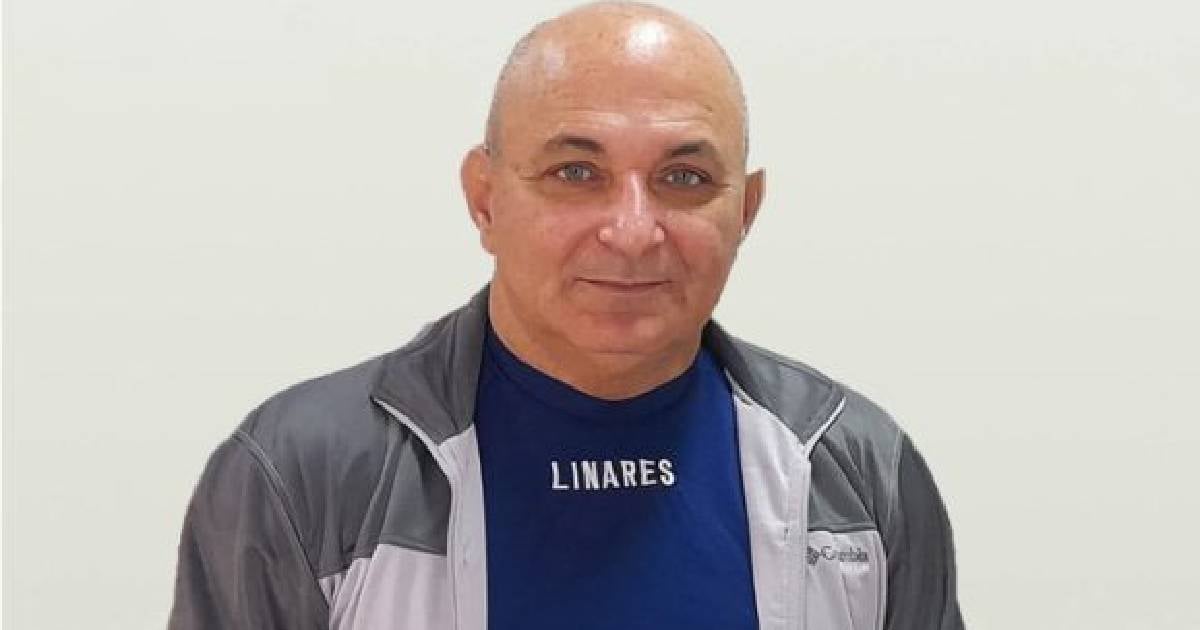
Cuban official media reported on Friday the death of Alexis Lobaina Martínez de Valdivielso, a member of the Central Committee of the Communist Party of Cuba (PCC) and linked to the Business Administration Group S.A. (GAESA), the military conglomerate that controls more than 70% of the Cuban economy.
At the time of his passing, he served as the Territorial Delegate for the Gaviota hotel group in Varadero, the country's main tourist hub.
Through a message on the social network X, President Miguel Díaz-Canel expressed condolences to family, friends, and colleagues.
Lobaina's career was characterized by military, administrative, and managerial positions within the state tourism system linked to the Revolutionary Armed Forces (FAR).
Among the positions he held were that of aviation pilot in military unit (UM) 1890 in Santa Clara, staff officer in UM-2800, director of the Playa Azul hotel for the FAR, as well as executive roles in the hotels Laguna Dorada, Playa Marina, and Paradisus. He also served as general director of the Gaviota Stores Unit in Varadero.
In the international arena, he was appointed general director of the company Imbondex Turística, which belongs to the corporation ANTEX S.A. in Angola, a common destination for the commercial expansion of the Cuban military sector.
He received multiple distinctions for his performance, including Distinguished Service Medals, the Ignacio Agramonte of the second class, and other commemorative medals for years of service and participation in military maneuvers. His membership in the Central Committee of the PCC has been effective since 2021.
GAESA, the most powerful economic conglomerate in Cuba and directly subordinate to the FAR, is considered a financial pillar of the Cuban regime, far removed from the daily reality of millions of Cubans who face daily power outages, shortages of basic goods, and a collapsing healthcare system. It controls everything from banks and currency exchange houses to hotels, real estate, port companies, shipping lines, and airlines.
Financial records obtained and revealed by Miami Herald in late December 2024 showed that companies linked to the Cuban military, such as Gaviota, have approximately 4.3 billion dollars in their accounts, a figure that exceeds nearly 13 times the 339 million dollars the Cuban government has requested to supply the country's pharmacies with essential medications.
The companies controlled by the FAR have accumulated vast sums of money, which has increased the national debt and worsened the lives of the citizens, the media reported.
The leaked documents from GAESA reveal how these entities have misappropriated resources intended to alleviate the economic crisis, and by July 2024, Gaviota had 88.6 billion pesos in assets, including 51 billion in long-term investments.
The International Financial Bank of the island, controlled by GAESA, manages a substantial portion of these funds, including those generated from remittances and payments from foreign governments for Cuban medical missions.
In 2023, despite the devastating effects of the pandemic and sanctions, 36% of all government investments were allocated to the construction of new hotels, while only 2.9% was allocated to agriculture and 1.9% to health and social assistance programs.
While public services are collapsing, the Cuban government, through GAESA, continues to invest millions in hotels and tourist complexes.
Only in 2024, investments in tourism-related activities exceeded 36.8 billion Cuban pesos, compared to just 1.977 billion allocated to public health and 2.645 billion for agriculture.
The contrast between the opulence of luxury hotels like Torre K-23 in Havana and the obsolescence of power plants, lacking proper maintenance, has sparked increasingly intense criticism.
While this new luxury strategy is being rolled out, Cuban tourism is facing its greatest discredit in years, with occupancy rates falling below expectations.
According to official data from the National Office of Statistics and Information (ONEI), the hotel occupancy rate fell to just 24.1% in the first quarter of 2025, and the number of tourists dropped by 29.3% year on year. Tourism revenues also plummeted by 21.5%.
Frequently asked questions about the GAESA conglomerate and its impact on the Cuban economy
What is GAESA and what role does it play in the Cuban economy?
GAESA is a military conglomerate that controls more than 70% of the Cuban economy. It is directly subordinate to the Revolutionary Armed Forces (FAR) and manages everything from banks and currency exchange houses to hotels, real estate, port companies, shipping lines, and airlines. Its influence is crucial for the Cuban regime, but it is also criticized for diverting resources intended to alleviate the economic crisis faced by the population.
Why was Alexis Lobaina Martínez de Valdivielso an important figure for the Cuban regime?
Alexis Lobaina Martínez de Valdivielso was a member of the Central Committee of the Communist Party of Cuba (PCC) and played a prominent role in the state tourism system linked to the Armed Forces. At the time of his passing, he was the Territorial Delegate of the Gaviota hotel group in Varadero, making him an influential figure in Cuba's main tourist area. His career was marked by military and administrative positions that made him a well-loved and respected individual within the regime.
How does GAESA's management affect the daily lives of Cubans?
The management of GAESA has faced criticism for prioritizing investments in the tourism sector, such as the construction of new hotels, while neglecting essential areas like health and agriculture. In 2023, 36% of government investments were allocated to tourism, compared to 2.9% for agriculture and 1.9% for health. This approach has contributed to the collapse of public services, leaving millions of Cubans facing power outages and shortages of basic products.
What impact does investment in tourism have on the Cuban economy?
The massive investment in tourism by the Cuban regime has proven ineffective in improving the economy. Despite allocating large sums to the sector, such as 36.8 billion pesos in 2024, the hotel occupancy rate fell to 24.1% in the first quarter of 2025. This approach has been criticized for neglecting other vital areas, such as health and agriculture, reflecting a disconnection between government policies and the real needs of the Cuban people.
Filed under: