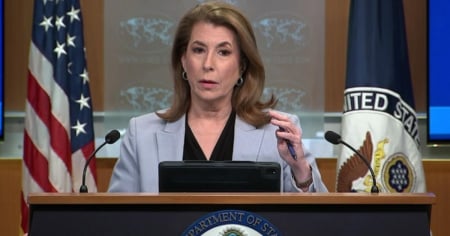
“The invisible heroes who feed us cannot continue to live in fear”, stated Cuban-American Congresswoman María Elvira Salazar when presenting her most ambitious immigration proposal this Tuesday in Washington: the Dignity Act of 2025, a bipartisan reform aimed at legalizing undocumented immigrants without criminal records who have lived in the U.S. for at least five years.
With the support of 20 lawmakers, both Democrats and Republicans, Salazar presented the new version of his bill alongside Texas Congresswoman Veronica Escobar at a press conference in the Capitol.
The law, Salazar assured, "is not amnesty, nor citizenship, nor favors", but a path to stability and recognition for those who have sustained the economy from the shadows.
What does the Dignity Law consist of?
The project is based on two major programs:
The Dignity Program: Provides legal status for seven years, renewable, to immigrants who meet certain requirements: no criminal record, pay taxes, pass background checks, and pay a fine of $7,000 in installments. They will not receive public benefits, but will be able to work legally, travel to their countries of origin, and live without the fear of deportation.
The Redemption Program: After completing the Dignity Program, immigrants will be eligible to apply for permanent residency, fulfilling additional requirements such as learning English, passing civics tests, paying an additional $5,000, or performing community service.
"Those who are working, have not committed crimes, have American children, and pay taxes, deserve to live with dignity,” said Salazar. “This is the solution to the migration chaos we have faced for 40 years,” he added, directly urging President Donald Trump to support the initiative: “You can be to immigration what Lincoln was to slavery.”
Who would benefit?
Salazar has insisted on protecting Cubans with I-220A, a migratory status granted to those who entered irregularly and do not yet have a defined status. She has also requested protection for those with Temporary Protected Status (TPS), such as Venezuelans, Haitians, and Nicaraguans.
Nonetheless, the law does not include migrants who arrived through humanitarian parole, a program implemented by the Biden administration and recently revoked by President Trump, who now demands their departure from the country and revokes work permits.
The text of the Dignity Law also includes:
- Financing border infrastructure and security without using taxpayer money, but rather through the fees and fines paid by immigrants.
- Implement mandatory E-Verify to prevent illegal hiring.
- Reform the asylum system and provide a pathway for Dreamers to permanent residency.
- Promote workforce training and reform visa categories to respond to the economy of the 21st century.
Salazar has described this initiative as a proposal for “order, law, and dignity” that, according to her, could prevent mass deportations and the collapse of key sectors such as agriculture, construction, and services.
“Without these workers, there is no food on the table. They do not seek privileges, just the chance to live without fear,” the congresswoman asserted.
The proposal represents an attempt to break the political dichotomy that has paralyzed immigration reform in the United States for decades. “Enough of choosing between amnesty or deportation. There is a third way. It’s called dignity,” Salazar declared.
Filed under: