
Related videos:
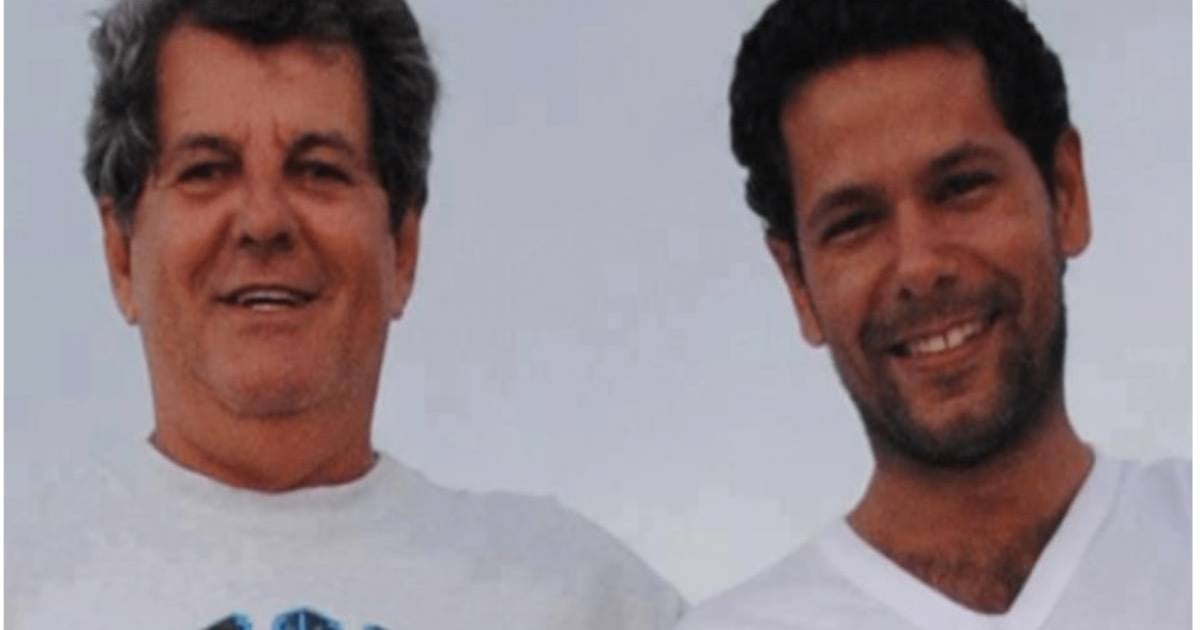
The United States government commemorated Cuban opposition leader Oswaldo Payá and activist Harold Cepero on Tuesday, marking the 13th anniversary of their assassination in Cuba.
"The Cuban regime murdered pro-democracy leaders Oswaldo Payá and Harold Cepero. Their bravery continues to inspire all those who fight for democracy and freedom in Cuba," stated the State Department through its official account @WHAAsstSecty on X.
The entity emphasized that "Payá's legacy continues through his daughter, Rosa María Payá, who will serve on the Inter-American Commission on Human Rights."
The activist and daughter of the dissident also remembered this Tuesday the assassination of her father with a commemorative message: “The dictators destroyed their bodies, and that was precisely the limit of their power. They tried to silence him, but they could not. Payá lives on in every young person who protests, in every political prisoner who resists. The night will not be eternal. In fact, dawn is breaking,” she stated on X.
Payá and Cepero died on July 22, 2012, when the vehicle they were traveling in was struck by another car. Witnesses and international organizations have indicated that it was an attack orchestrated by the regime in Havana.
On the occasion of the anniversary, Rosa María expressed her gratitude to U.S. congress members who support the bill to rename the street in front of the Cuban embassy in Washington as "Oswaldo Payá Way." The initiative was spearheaded by Congressman Mario Díaz-Balart and has the backing of María Elvira Salazar, Carlos Giménez, Frederica Wilson, Darren Soto, and Nicole Malliotakis.
"Naming the street in front of the Cuban embassy after Oswaldo Payá is an act of justice and hope," expressed the activist, who leads the Cuba Decide movement and the Latin American Network of Young People for Democracy.
Oswaldo Payá was the founder of the Christian Liberation Movement and creator of the Varela Project, a civic proposal supported by over 25,000 signatures that called for a democratic referendum in Cuba. In 2002, he received the Sakharov Prize for Freedom of Thought from the European Parliament.
Harold Cepero, a young economist and also a member of the movement, was regarded as an emerging promise in civic activism. Both are remembered today as symbols of democratic resistance on the island
Frequently asked questions about the legacy of Oswaldo Payá and the fight for democracy in Cuba
Who was Oswaldo Payá and what was his contribution to the struggle for democracy in Cuba?
Oswaldo Payá was the founder of the Christian Liberation Movement and creator of the Varela Project, a civic initiative that sought a democratic referendum in Cuba. Payá was awarded the Sakharov Prize for Freedom of Thought and became a symbol of peaceful resistance against the Cuban regime. His work advocated for democratic reforms within the legal framework of the country and was supported by more than 25,000 signatures.
How did Oswaldo Payá die and what is known about the incident?
Oswaldo Payá and young activist Harold Cepero died on July 22, 2012, when the vehicle they were traveling in was struck by another car. Witnesses and international organizations have indicated that it was an attack orchestrated by the Havana regime, although the exact circumstances were never clarified by the Cuban government.
What actions have been taken to honor the memory of Oswaldo Payá?
One of the symbolic actions to honor Oswaldo Payá is the proposal to rename the street in front of the Cuban embassy in Washington as “Oswaldo Payá Way”. This initiative was driven by Congressman Mario Díaz-Balart and has the support of several U.S. legislators. Moreover, his legacy lives on through his daughter, Rosa María Payá, who continues his fight for democracy and human rights.
What is Rosa María Payá's role in the defense of human rights?
Rosa María Payá, daughter of Oswaldo Payá, has continued her father's legacy in the fight for democracy in Cuba. She has been elected as a member of the Inter-American Commission on Human Rights (IACHR), where she will play a crucial role in the promotion and protection of human rights on the continent. Additionally, she leads the movement Cuba Decide, which advocates for a binding referendum so that Cubans can freely and democratically choose their political future.
Filed under: