
Related videos:
A Cuban journalist residing in the United States shared a comparison on his social media that sparked debate about the economic reality in Cuba and the value of wages under the regime.
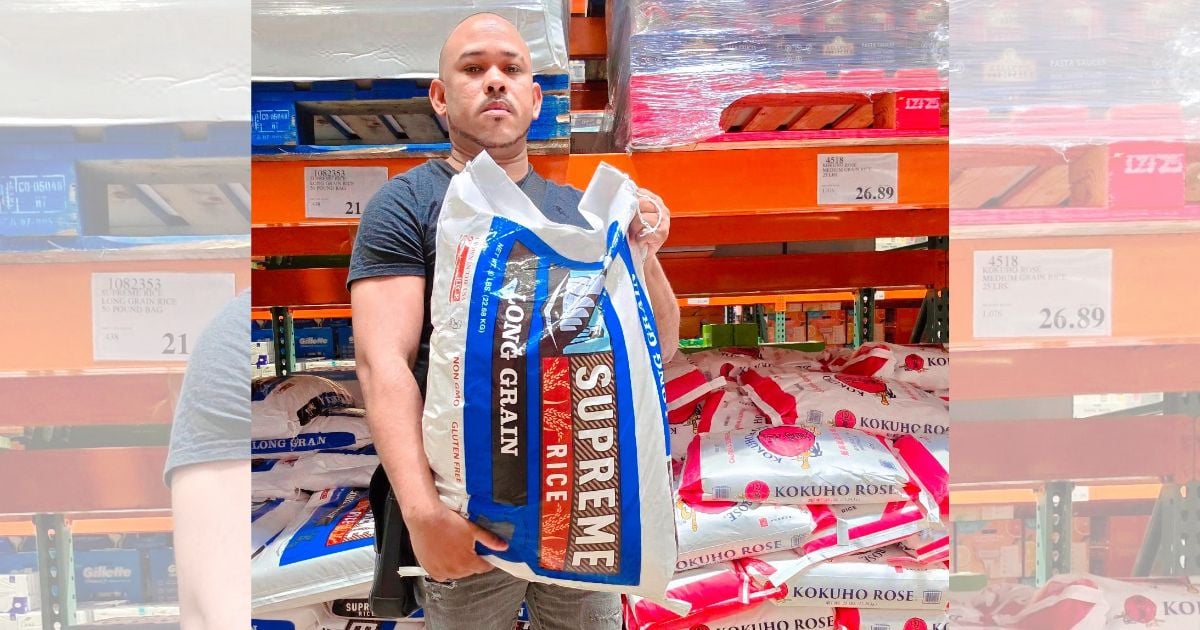
In his post shared on Facebook, communicator Yosmany Mayeta explained that he purchased a 50-pound sack of rice for $21.89, which amounts to $0.43 per pound.
He pointed out that to pay for it, he only needed to work one hour for the entire month.
"In a family of five, that is enough to eat every day for three months without going hungry," he wrote.
The journalist contrasted that experience with the situation on the Island, where a similar product can take weeks of work, depending on the salary, and at times is not even available in the market.
Currently, according to sources consulted by CiberCuba, the price of rice is around 340 pesos per pound. A 50-pound sack would cost about 17,000, an extremely high figure considering that the average salary in Cuba was just over 6,000 pesos per month as of last June.
“Do not be afraid of capitalism. Be afraid of spending your entire life working like a slave… and still not being able to fill the pot,” he declared.
The testimony went viral quickly, gathering supportive comments and expressions of outrage from users living in Cuba, who claimed that the comparison starkly reflects the loss of purchasing power on the Island.
The phrase with which he closed his message: "A sack of rice cost me an hour… in Cuba it costs you your life," brilliantly illustrates the gap between the living standards of a Cuban worker and one in the United States.
In the comments section, several internet users agreed that the comparison made by the journalist clearly reflects the differences between living in Cuba and in the United States.
Aitana Velázquez pointed out that while she agrees with the message, not everyone has the resources to emigrate: “The problem is that not all of us have the money or a house we can sell to live that reality. So, we have to keep struggling under socialism, where supposedly the motto is for everyone and for the good of all.”
For Marla Steps, these types of posts are essential: “I suggest you share more content like this, because there are many Cubans with their eyes blindfolded, and the fear of leaving the slavery they live in makes it hard for them to believe that the life of a Cuban worker is a life filled with misery.”
Aleixis Aguilera emphasized that, although people work hard in the United States, food is guaranteed: "The U.S. pays you well but doesn't appreciate you; in Cuba, you neither get paid nor appreciated for the fruits of your labor."
Nelson Luis Monier Quevedo summed up his viewpoint with a powerful phrase: “Capitalism is abundance. There is just one thing to do: work. That is enough to live as a human being deserves and without lack.”
Eloy Rodríguez defended the American system and questioned those who complain: “With your salary, no matter what you do or where you work, you’re going to eat well, and the essentials won't be lacking. You might even have some left over for a little treat. Sometimes I don’t understand why I see so many Cubans complaining on social media… maybe some of us are just very clueless, or maybe others are just very lazy.”
From Cuba, Silvia Victoria Ávila Pozo provided a direct insight into the current pricing situation: “Today I went to the market for the first time since I retired, and rice is 290 pesos per pound, eggs are 110, fongo (burro banana) is 35, and pumpkin is the same. I didn’t continue walking; I returned home.”
Aurora Martín, with over a decade in the United States, stated that she has achieved a decent life there without luxury, but with what she needs: “I don't have brand-name clothes or expensive jewelry, but I have everything I need. I help my family in Cuba, but I don't support anyone: if I, at 56, can work, others can do it too.”
A recent study by the Food Monitor Program (FMP) established that the approximate cost of a basic food basket (CBA) for two Cuban adults is 41,735 pesos in Havana and 39,595 pesos in Cienfuegos, which amounts to more than six times the average salary in the country.
Frequently asked questions about the economic crisis in Cuba and its impact on the quality of life
Why is the cost of a sack of rice a relevant issue in Cuba?
The cost of a sack of rice symbolizes the profound economic crisis in Cuba, where salaries are insufficient to purchase basic products. This essential item can take weeks of work to afford, highlighting the loss of purchasing power and the difficulties in accessing basic food items.
How does the economic situation in Cuba affect the quality of life of its citizens?
The quality of life in Cuba is seriously affected by inflation and low wages, making it difficult to access food and basic goods. People face a daily struggle to meet their needs, often relying on remittances sent from abroad.
Why can't some people in Cuba emigrate despite the difficulties?
Not all Cubans have the necessary resources to emigrate, such as money or possessions they can sell. Furthermore, the emigration process can be complicated and expensive, leaving many with no choice but to face the challenges in the country.
What role do remittances play in the Cuban economy?
Remittances are a crucial source of income for many Cuban families, allowing them to access goods and services that would otherwise be unattainable due to low wages and the high cost of living on the island.
Filed under: