
Related videos:
In a country with daily blackouts, thousands of people without regular access to drinking water, skyrocketing prices, and families cooking as best they can — when they can — the newspaper Ahora, the official organ of the Communist Party in Holguín, has published an infallible recipe for survival in Cuba: “maintain a positive mindset.”
The article, written by journalist Hilda Pupo Salazar, avoids any critical analysis of the real cause of the widespread decline affecting the island, and instead suggests that Cubans face the crisis “with gratitude, an optimistic attitude, and willpower,” as if optimism could pay for electricity, fill the water tanks, or substitute for food.
Under the title of a motivational philosophy worthy of a self-help agenda, the author recommends phrases like "start your day with optimism" and practical advice such as "set small and achievable goals," in a context where buying a liter of oil or a carton of eggs is already an economic feat.
The text does not mention the word inflation, nor shortage, nor blackouts, although Cubans today are experiencing up to 10 hours of power cuts daily in some eastern provinces, including Holguín and Santiago de Cuba.
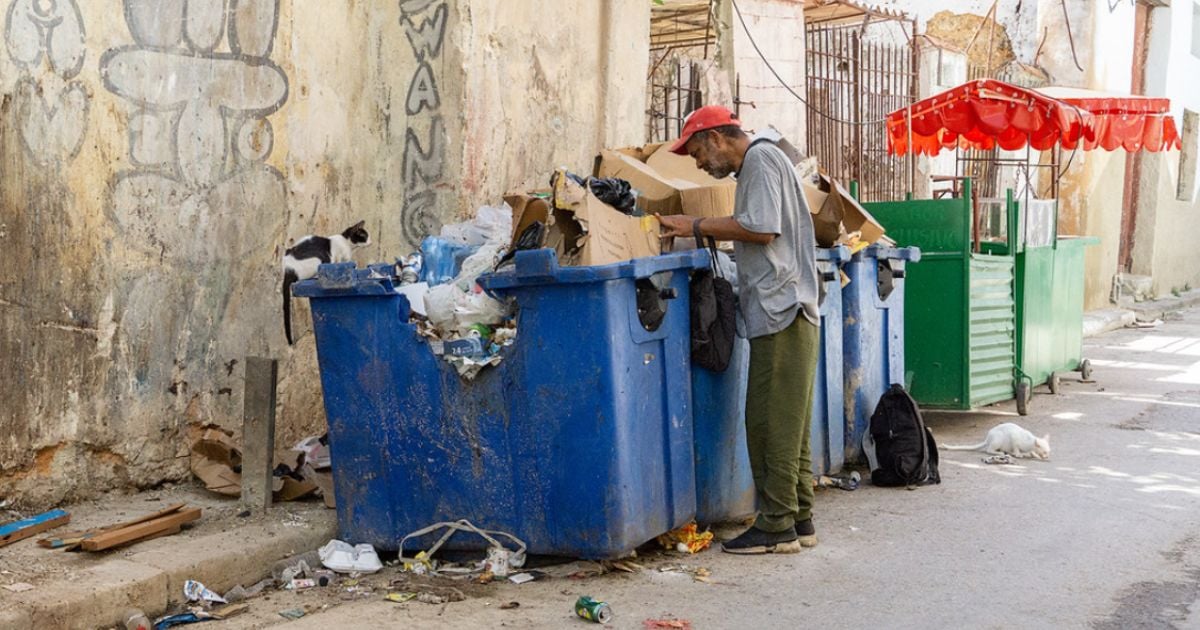
There are also no references to the increasing impoverishment of the Cuban people, the precariousness of coal stoves, the long lines, or the despair that drives thousands to emigrate each month.
However, it is important not to "drown in negativity" and to "practice emotional resilience."
The article even suggests that "every scenario can be an opportunity," and cites inspiring quotes from American authors like Clement Stone and William Feather, whose realities have little in common with that of a Cuban retiree surviving on a pension that barely covers the cost of rice.
Frequently Asked Questions about the Current Situation in Cuba and the Official Approach
What is the official newspaper's recommendation to confront the crisis in Cuba?
The newspaper Ahora suggests that Cubans maintain a positive mindset as a way to cope with daily challenges, recommending gratitude, an optimistic attitude, and willpower, although this does not resolve the material issues they face, such as power outages and food shortages.
How does the energy crisis affect daily life in Cuba?
The energy crisis in Cuba results in prolonged blackouts of up to 20 hours a day, severely affecting daily life. Families struggle to cook, preserve food, and rest properly. The lack of electricity also leads to difficulties in accessing basic services and maintaining a minimum quality of life.
What official solutions are being proposed for power outages in Cuba?
Cuban authorities suggest that blackouts should be “manageable” rather than eliminated. The organization of more controlled rotations is being considered to minimize citizen unrest, although this has not resulted in real improvements for the population. The lack of a structural solution continues to generate discontent.
How does the Cuban population react to official recommendations?
The Cuban population is showing indignation and frustration towards the official recommendations, which they see as disconnected from reality. Suggestions to "think positively" and "practice resilience" do not alleviate material hardships such as food shortages and power outages, highlighting a disconnect between official discourse and real living conditions.
Filed under: