
Related videos:
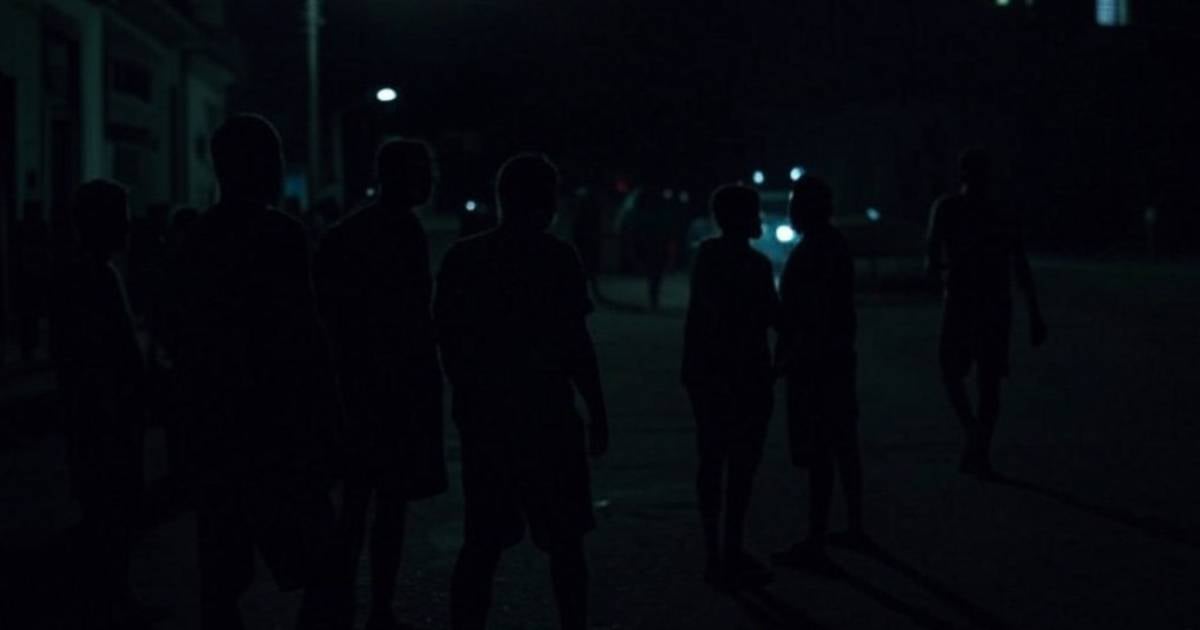
Cubans will face another day of widespread blackouts this Saturday, with an estimated deficit of over 1,600 megawatts during peak hours, according to the Electric Union (UNE).
The official report acknowledged that the service was disrupted for 24 hours on Friday and that the situation will persist today, with a availability of only 2,085 MW compared to a maximum demand of 3,650 MW. The difference will leave a large part of the country without electricity for extended periods.
The irony is that this announcement comes just a day after the Ministry of Energy and Mines boasted on social media about having installed more than 50% of the solar parks planned for this year.
Of the 51 planned, 27 have been synchronized, providing 580 MW during midday hours. However, Cubans are experiencing firsthand that these projects barely alleviate the energy crisis, characterized by outages exceeding 12 hours in many provinces.
The contrast between official propaganda and reality was also evident during the visit of Prime Minister Manuel Marrero to the Antonio Guiteras thermoelectric plant in Matanzas.
Neighbors reported that, after days of near-total blackouts, the electricity “reappeared as if by magic” with the arrival of the leader, which fueled criticisms regarding the facade of the crisis.
On the street and on social media, discontent is growing. "They install solar panels, visit Guiteras, give speeches... but the reality is that we are still in the dark," wrote an outraged user. Others recalled that, while Havana receives priority, provinces like Ciego de Ávila or Matanzas face cuts lasting up to 20 hours straight.
For this Saturday, the UNE does not promise relief; all signs point to Cuba remaining plunged in blackouts that also extinguish the patience of a people weary of surviving amid speeches of resistance and endless nights without light.
Frequently Asked Questions about Blackouts in Cuba and Solar Energy
Why is Cuba still experiencing blackouts despite the installation of solar parks?
The electricity generation deficit in Cuba greatly exceeds the contribution capacity of solar parks. Although new solar parks have been installed, their contribution is not enough to meet the country's high demand. Deteriorated thermoelectric plants, a lack of fuel, and limitations in thermal generation are factors that exacerbate the energy crisis.
What is the current situation of the electrical system in Cuba?
The Cuban electric system is facing a serious structural crisis. There is a generation deficit exceeding 1,600 megawatts, leading to extended blackouts throughout the country. The lack of maintenance, investment, and poor management are the main causes of this critical situation.
What impact do power outages have on the daily lives of Cubans?
Power outages severely affect the daily life of Cubans. These electricity cuts disrupt the water supply, food preservation, and the operation of basic services such as education and health care. The prolonged energy crisis has resulted in deep dissatisfaction and distrust among the population towards the authorities.
What measures is the Cuban government taking to address the energy crisis?
The Cuban government has announced the installation of solar parks and the purchase of mobile generation units. However, these measures are insufficient to resolve the structural crisis of the electrical system. The lack of transparency and the failure to meet previous promises have generated skepticism among the population.
Filed under: