
Related videos:
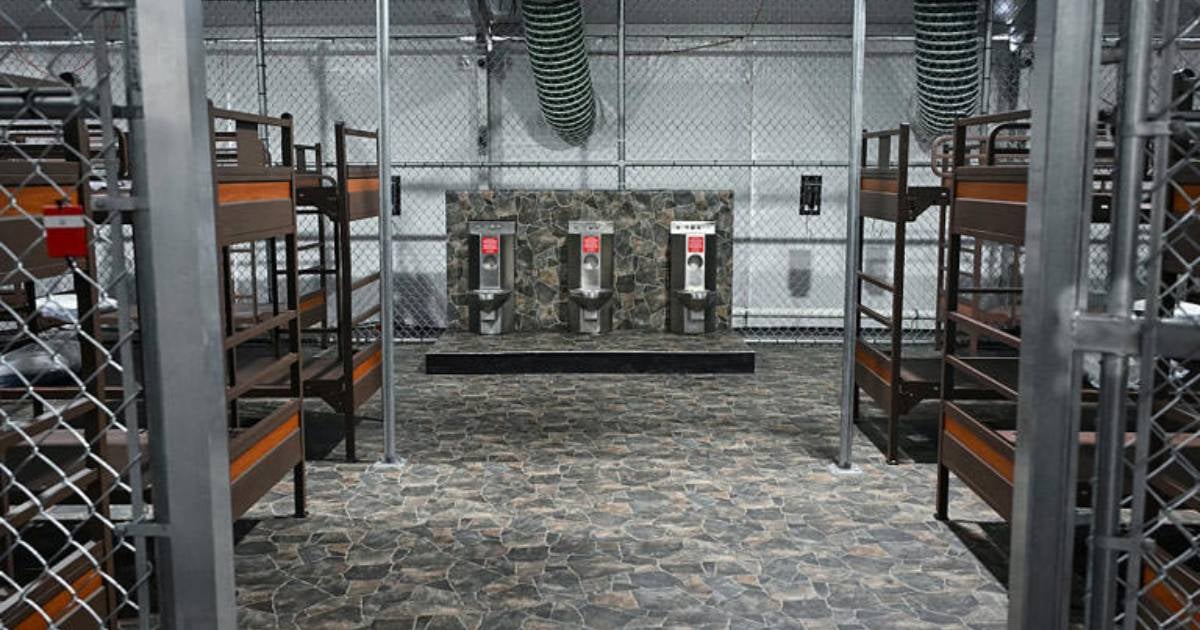
The immigrant detention center known as “Alligator Alcatraz,” located in the Florida Everglades, will remain open after a federal appeals court blocked a closure order issued by a judge in Miami this Thursday.
According to a report by the Associated Press (AP), a panel of three judges in Atlanta decided by a vote of 2-1 to suspend the order of federal judge Kathleen Williams, which mandated the dismantling of the center's operations by the end of October last month.
The magistrate had responded to a lawsuit filed by Friends of the Everglades, Center for Biological Diversity, and the Miccosukee Tribe, who reported that the environmental review required by federal law was not complied with when constructing the center in a sensitive wetland area.
Williams ordered the transfer of the detainees to other facilities and the removal of the equipment and fences from the location, but the appeal currently halts those measures.
The state authorities of Florida argued that closing the center would cost taxpayers between 15 and 20 million dollars and would weaken the ability to address what Governor Ron DeSantis described as an “unprecedented migration crisis,” reported Local 10.
Florida's Attorney General, James Uthmeier, celebrated the ruling as "a victory for Florida and for President Donald Trump's agenda."
On the social network X, he stated: “The 11th Circuit not only blocked the order to shut down Alligator Alcatraz, but also prevented the judge from proceeding with the case until the appeal is concluded.”
DeSantis, for his part, asserted that "Alligator Alcatraz is, as we have always said, open for business. The mission continues, and we will keep leading the way in immigration control."
Meanwhile, environmental organizations and the Miccosukee tribe insist that the facility threatens the biodiversity of the Everglades ecosystem, although the court ruling allows the center to continue operating while the litigation is resolved.
In its effort to take a tough stance on immigration, the government of Donald Trump decided to confine undocumented immigrants to one of the most feared and violent prisons in the United States.
According to a report by the Associated Press (AP), a facility within the Louisiana State Penitentiary, known as Angola, was prepared to house over 400 ICE detainees.
The place currently hosts 51 people and was deliberately chosen for its reputation as a tough prison, according to National Security Secretary Kristi Noem.
Governor Jeff Landry assured that the facility, renamed "Louisiana Lockup", will be filled in the coming months as Trump pushes for a mass deportation plan.
Angola is a maximum-security prison with more than 6,000 inmates, including over 50 on death row.
Frequently Asked Questions about the "Alligator Alcatraz" Detention Center
Why is the "Alligator Alcatraz" detention center still open?
The "Alligator Alcatraz" detention center remains open because a federal appeals court blocked the closure order issued by a judge in Miami. This judge had ordered the dismantling of the center for failing to comply with the environmental review required by federal law. However, the appeal has temporarily suspended this decision, allowing the center to continue operating while the litigation is resolved.
What are the arguments for and against the closure of "Alligator Alcatraz"?
In favor of the closure, environmental organizations and the Miccosukee tribe argue that the installation threatens the biodiversity of the Everglades and violates environmental laws. Opposing this, Florida authorities, including Governor Ron DeSantis, maintain that the closure would weaken the ability to address the "migration crisis" and that the center is essential for the detention and deportation of immigrants.
What is the economic impact of the detention center "Alligator Alcatraz"?
The economic impact of the center is significant, given that Florida has invested at least 218 million dollars in its construction and operation. The closure of the center could represent a waste of this investment, in addition to an additional cost of between 15 and 20 million dollars to dismantle it and relocate the detainees to other facilities.
What conditions do the detainees face in "Alligator Alcatraz"?
The detainees at "Alligator Alcatraz" face conditions that have been strongly criticized by civil rights organizations. Inhumane conditions have been reported, such as unventilated tents, collapsed bathrooms, and food infested with worms. These situations have led to the filing of several lawsuits for human rights violations.
Filed under: