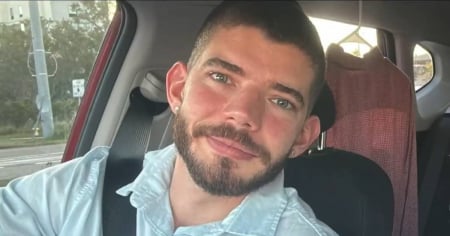
The agony of a Cuban family that in recent months has faced a distressing immigration situation will add a new and sad chapter this Sunday: Deivy Alemán Oropesa has decided to "self-deport" and return to Cuba to avoid immigration detention, even if it means leaving his small daughter in the United States, who requires another open-heart surgery.
The story was shared by journalist Javier Díaz, who posted on Facebook the testimony of Alemán and his wife, Yisel Miguel Sarduy.
The Cuban explained that the Immigration and Customs Enforcement (ICE) authorities gave him two options: to accept detention while awaiting deportation or to leave the country voluntarily before September 14.
"I think the best option is to go voluntarily. What worries me most is leaving the girl and the family here. She is waiting for a surgery, and that's what hurts me the most," she confessed, tearfully.
The drama of this family became known weeks ago when several media outlets reported that Deivy's daughter, a two-year-old U.S. citizen, has already undergone two open-heart surgeries and needs a third intervention in the coming months.
While his wife takes care of the child, he has been the financial support of the household, working as an Uber driver, paying taxes, and without a criminal record.
On September 8, when attending a routine appointment at the ICE office in Orlando, Alemán was notified that he had to leave the United States in less than a week. The news hit the family like a devastating blow.
"It's a situation that still has us in shock," said his wife, who expressed gratitude for the expressions of solidarity received on social media and requested that the case reach the ears of congress members or senators.
The family had submitted medical reports and letters from cardiologists to demonstrate the humanitarian urgency, in addition to having an approved I-130 petition, resulting from their marriage to a U.S. citizen.
However, the immigration agency did not take any of those factors into account.
The lawyer Rosaly Chaviano explained that Alemán was under immigration supervision (form I-220B) and that, under current policies, “humanitarian factors are practically not being taken into account.”
The case has sparked a wave of outrage on social media. In parallel, family and friends launched a petition on Change.org in an attempt to stop what they consider an inhumane decision.
But time is running out: this Sunday, Deivy Alemán will take a flight back to Cuba, leaving behind his wife and his sick daughter.
"My hope is that when I’m in Cuba, I will receive the request my wife submitted and that I will be allowed to return soon," said the resigned Cuban, who arrived in the United States seven years ago seeking freedom and opportunities, and who today leaves with a broken heart.
Frequently Asked Questions about the Deportation of Cuban Migrants in the U.S.
Why did Deivy Alemán Oropesa decide to "self-deport" from the U.S.?
Deivy Alemán Oropesa decided to "self-deport" to avoid immigration detention by U.S. Immigration and Customs Enforcement (ICE). ICE gave him the option to leave voluntarily before September 14 or face detention awaiting forced deportation. Despite the pain of leaving his daughter, who needs open-heart surgery, Alemán felt this was the best option for his family.
What impact does deportation have on Cuban families in the U.S.?
Deportation has a devastating impact on Cuban families, separating parents from their children and leaving families without their primary economic support. The emotional and psychological trauma is significant, especially for children who witness their parents being detained and expelled from the country. This is compounded when there are medical conditions or situations of vulnerability, as in the case of Deivy Alemán's daughter.
What legal options do Cuban migrants with deportation orders have in the U.S.?
Cuban migrants with deportation orders can explore various legal options, such as requesting a stay of deportation using Form I-246 for humanitarian reasons. They can also file a family reunification petition if they are married to U.S. citizens. However, under the current administration, humanitarian factors are not being prioritized, complicating the situation for families like that of Alemán.
How does the tightening of immigration policies affect Cuban migrants in the U.S.?
The tightening of immigration policies in the U.S. has increased the arrests of Cuban migrants, including those with no criminal records and with active legal processes. Many of these arrests occur during routine immigration appointments, creating fear and uncertainty within the migrant community. This has led to situations of family separation, such as the one faced by Deivy Alemán and his family.
Filed under: