
Related videos:
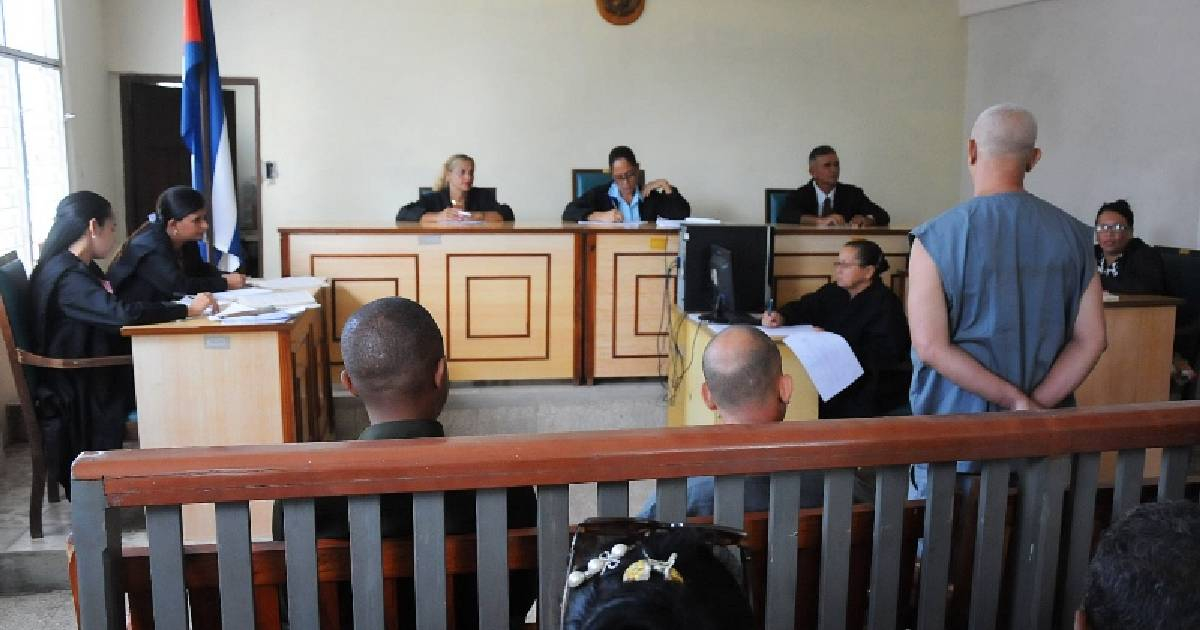
The Ministry of Justice reported that, so far in 2025, 43 people have been tried in Guantánamo, as part of 32 cases related to drugs, and all of the defendants received penalties, primarily involving imprisonment.
In the same way, only three minors under 18 received alternative sanctions for being "students with good conduct until the time the events occurred."
In the municipalities of Guantánamo and Baracoa, a higher incidence of such cases is reported, highlighted a report from the official newspaper Venceremos.
This came to light following a work meeting this week between the Minister of Justice and President of the National Drug Commission, Óscar Manuel Silvera Martínez, and the provincial commission for drug prevention and confrontation, along with officials from the Central Committee of the Communist Party and local authorities.
The Justice Minister warned that substance use and drug trafficking lead to crimes such as fraud and violence, and defended the "Zero Tolerance" policy, stating that immediate and rigorous action is necessary in Guantánamo and throughout the country to address this problem, which he described as a universal scourge.
For their part, representatives of the Communist Party emphasized the need to integrate political and mass organizations, as well as the ministries of Education and Health, along with families and the community, in order to strengthen social control, without announcing specific preventive measures beyond the official discourse.
The meeting, according to the source, emphasized that information about narcotics must be disseminated systematically so that the population understands the complexity and seriousness of the issue, in a context where consumption has increased, especially among adolescents and young people, as well as crimes related to drug trafficking.
In April, authorities in the easternmost province of Cuba confirmed the detection of more than a dozen children and adolescents using drugs, even within educational institutions, or have been linked to the possession and sale of these substances.
In this regard, they explained that they had been monitoring young people and minors involved with narcotics, including eight minors and two teenagers aged 16 and 17 who were admitted to the Pedro A. Pérez Pediatric Hospital and tested positive for narcotic intoxication.
Moreover, four other minors were "controlled": two for drug use, one for possession, and another for trafficking, clarified a report from Venceremos at that time.
At the beginning of August, a drug trafficking network covering three houses was dismantled in Baracoa, in an operation where 71 bags of hashish were seized.
Although the government insists on showing exemplary actions and legal reforms, the facts demonstrate that the spread of synthetic substances, such as the so-called "chemical," and the disintegration of social structures far exceed its capacity to respond.
While official alerts and exemplary penalties have reached up to 20 years in prison for drug trafficking, the spread of these substances shows that the government strategy is insufficient.
At the end of August, the Supreme People's Court issued a serious warning about the increasing consumption and trafficking of synthetic drugs on the island, especially in Havana, and approved a ruling that toughens the penal sanctions for those who possess or distribute these highly toxic substances.
It will no longer be necessary for a defendant to possess a pound of drugs to face charges for "relatively large amounts," which broadens the scope of conviction and reinforces a policy of exemplary punishment instead of more proportional alternatives.
The Supreme People's Court specified that for synthetic cannabinoids, it will be sufficient to have toxicology and forensic expert reports demonstrating the high toxicity of the substance, the number of doses that could be derived from the seized items, and the alleged potential harm to public health.
From now on, even with small amounts, the classification of "illegal possession" will be processed under Article 236, section a) of the Penal Code, with penalties ranging from one to three years in prison or fines of up to a thousand units, comparable to the level of drugs such as cocaine.
Frequently Asked Questions about Drug Trafficking in Guantánamo
How many people have been tried for drug-related offenses in Guantánamo in 2025?
In 2025, a total of 43 individuals have been tried in Guantánamo for drug-related offenses, according to the Ministry of Justice. The sentences have primarily included incarceration, reflecting a "Zero Tolerance" policy towards these crimes.
What measures are being taken to combat drug trafficking in Guantánamo?
Cuban authorities have intensified anti-drug operations in both urban and rural areas, dismantling trafficking networks. Exemplary trials with severe penalties have been implemented and efforts for community collaboration are being promoted to confront the phenomenon. However, the context indicates that government measures are still insufficient to contain the problem.
How is drug trafficking affecting minors in Guantánamo?
The consumption of drugs is affecting minors within educational institutions, with cases of children and teenagers involved in use and trafficking. In April, over a dozen minors were identified as being involved in these offenses, prompting authorities to implement alternative sanctions for some of them due to their age and previous good behavior.
What is the "chemical" and why is its consumption in Cuba concerning?
The "químico" is a highly addictive synthetic drug that has spread in Cuba, particularly among the youth. Its low cost and high toxicity make it accessible, but extremely dangerous, contributing to severe intoxications. Authorities have increased penalties for its possession and distribution, but consumption remains a growing problem.
Filed under: