
Related videos:
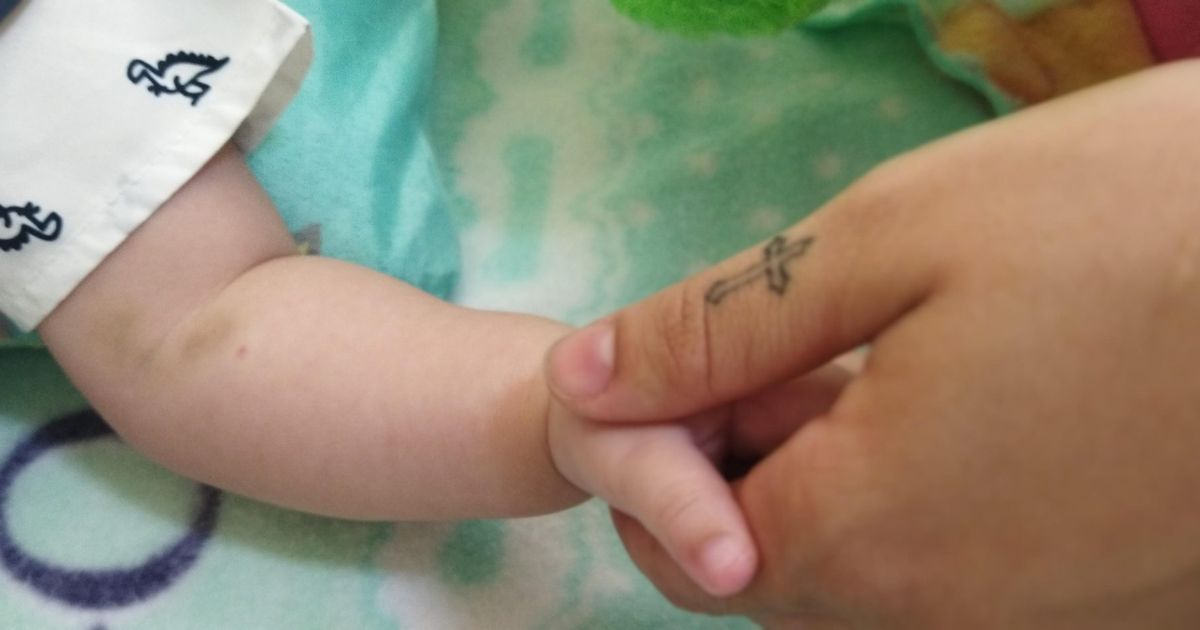
Lian Ernesto, a baby of just one year old, returned home to Mayajigua, a town in the municipality of Yaguajay, in the province of Sancti Spíritus, after surviving a series of diagnoses and complications that brought him to the brink of death even before he was born, in a country where healthcare is becoming increasingly precarious each day.
The story was narrated by Cubadebate, which captured the testimony of his mother, Ana Laura Perdomo, a teenager who turned the Hematonephrology ward of the José Martí Provincial Pediatric Hospital into her second home for months.
There, among doctors, nurses, and life support machines, her son became a warrior.
The drama began during the pregnancy when, at 24 weeks, doctors detected a congenital heart defect: coarctation of the aorta.
The delivery was a battle: the baby entered the world with hypoxia, required immediate resuscitation, and 18 days later was transferred to the William Soler Pediatric Cardiac Center in Havana, where he underwent surgery.
The surgery was successful, but the baby suffered two cardiorespiratory arrests within 72 hours that nearly cost him his life.
Lian spent more than three months connected to a mechanical ventilator. Against all odds, he survived, although with lasting effects: cerebral palsy and bronchopulmonary dysplasia that still cause respiratory crises today.
Additionally, he underwent a tracheotomy and a gastrostomy to improve his breathing and nourishment.
Despite the limitations, her progress is remarkable. She now maintains eye contact, recognizes voices, smiles, and has gained weight thanks to rehabilitation therapies and her mother's tireless dedication.
"Before, he was almost like a vegetable. Today, he looks at me, listens to me, smiles," confessed Ana Laura.
The doctors who treated him acknowledge that cases like this present a huge challenge in a healthcare system plagued by shortages and deterioration.
Dr. Víctor Martín, the acting head of the Hematonephrology department, explained that Lian's progress has been better than expected, and that each small improvement is considered a victory for the staff who cared for him.
The nurses, who taught the young mother how to manage the care of the tracheostomy and feeding, also said goodbye to the child with affection and pride.
Behind this story is also the face of a disrupted adolescence. Ana Laura was 17 years old when she gave birth, and now at 18, she bears the weight of motherhood and the medical routines that ensure her child's well-being.
Her experience reflects the persistence of teenage pregnancy in Sancti Spíritus, a phenomenon that continues to be a social issue in the province.
After months of hospitalization, Lian was discharged and received a warm welcome in his community. His future will depend on ongoing therapy, medical check-ups, and the love of his mother, who never gave up when everything seemed lost.
The return home of this baby from Sancti Spíritus does not erase the shortcomings of the Cuban healthcare system or the uncertainty faced by their family, but it does offer a lesson in resilience: even amidst the collapse, life finds a way.
In Cuba, every medical story that ends well is a double miracle: for the survival itself and because it happens in a country where the healthcare system collapses daily.
A newborn girl from Holguín survived a congenital malformation incompatible with life, thanks to an exceedingly delicate surgery performed just hours after her birth. The family, coming from a rural background, also had to face the shortage of supplies and the deterioration of hospitals.
Another notable case occurred in Cienfuegos, where a baby just 31 weeks old survived an emergency surgery for intestinal obstruction. The little one, an extreme premature infant, underwent surgery after his clinical condition worsened.
Against all odds, it managed to stabilize in a context where neonatal units face power outages, a lack of personnel, and essential medications.
The province of Villa Clara also became the setting for a critical intervention when a baby was operated on six hours after birth due to a severe digestive malformation.
The surgery was performed at the provincial pediatric hospital, under minimal technical conditions. The success was attributed to the skill of the medical team and an improvised support network among family members and healthcare staff.
In Havana, doctors were able to save a child who had inhaled a metal part from a watch. The case, which was already complex, was worsened by the delay in obtaining the necessary equipment, which was unavailable at the hospital.
Even so, the boy survived, thanks to the quick response of a medical team that works with minimal resources every day.
Frequently Asked Questions about Lian Ernesto's Recovery and the Healthcare System in Cuba
What was Lian Ernesto's initial diagnosis?
A Lian Ernesto was diagnosed with a congenital heart defect: aortic coarctation, and during the pregnancy, doctors detected this condition that complicated his health before birth.
What complications did Lian Ernesto face after his birth?
After birth, Lian Ernesto suffered from hypoxia and two cardiorespiratory arrests following an initial surgery, which left him in critical condition and on a mechanical ventilator for over three months.
How has Lian Ernesto’s recovery been and what are the aftereffects?
Lian Ernesto has shown a remarkable recovery, focusing his gaze, recognizing voices, and smiling. However, the aftermath includes cerebral palsy and bronchopulmonary dysplasia, which still cause respiratory crises.
What challenges does the Cuban healthcare system face in cases like that of Lian Ernesto?
The case of Lian Ernesto illustrates the challenges of the Cuban healthcare system, which, despite the dedication of professionals, faces shortages of resources, limited medical personnel, and a general deterioration that complicates care for critical patients.
What does Lian Ernesto's story reflect about teenage pregnancy in Sancti Spíritus?
The case of Lian Ernesto highlights the issue of teenage pregnancy in Sancti Spíritus, emphasizing the sacrifice of his mother, Ana Laura Perdomo, who at the age of 17 faced motherhood and the medical care of her son in a challenging context.
Filed under: