
Related videos:
Cuba is on the brink of an energy collapse. The Electric Union (UNE) confirmed that on Sunday the country experienced service disruptions throughout the entire day, with a generation deficit reaching 1,981 MW during peak demand hours.
The situation, far from improving, is expected to become even more dramatic this Monday, with blackouts exceeding 1,900 MW during peak hours.
A decaying electrical system
According to the official report, the actual availability of the National Electric System (SEN) at 6:00 am was only 1,590 MW against a demand of 2,940 MW, resulting in an impact of 1,373 MW.
The forecast for noon is 1,350 MW affected.
For peak hours, the projection is a demand of 3,550 MW against an available generation of only 1,710 MW, resulting in a deficit of 1,840 MW with an impact of 1,910 MW.
The causes reflect the ongoing divestment of the regime.
A large number of the country's main thermal power plants are out of service due to breakdowns or maintenance that has been postponed for years, until there is no choice but to take them offline.
The situation is particularly critical at the Felton thermoelectric plant, where two units are out of operation, and at the Renté power plant, with two blocks damaged.
In addition to the above, three other units from the Mariel, Santa Cruz, and Carlos Manuel de Céspedes power plants in Cienfuegos are also under maintenance, further reducing the response capacity.
The lack of spare parts, technological deterioration, and the absence of sustained investment have turned electricity generation into a collapsed system.
The situation is worsened by thermal limitations that keep another 369 MW offline. Additionally, a lack of fuel and lubricants has left 35 distributed generation plants shut down and has halted another 136 MW.
All of this reflects an unsustainable energy model, dependent on resources that the state itself does not guarantee.
Meanwhile, the 30 photovoltaic solar parks contribute barely 544 MW at the best time of day.
This figure, although presented as an official achievement, does not cover even a fraction of the national demand. The gap between the triumphant rhetoric and daily reality is becoming increasingly stark.
Havana, capital in the dark
The Electric Company of Havana reported that on Sunday, the electricity service was affected for more than 16 consecutive hours, with a maximum impact of 238 MW.
A malfunction at the Naranjito substation automatically disconnected several circuits and left thousands of customers without electricity in municipalities such as Centro Habana, Habana Vieja, San Miguel del Padrón, Arroyo Naranjo, 10 de Octubre, and Cerro.
Aunque la reconexión escalonada se realizó en la noche, la empresa admitió que posteriormente debió aplicar cortes adicionales de emergencia por la baja generación nacional.
The situation worsened with the water supply.
The company Aguas de La Habana reported outages in the Southern Basin due to electrical instability, which severely impacted supply in Plaza de la Revolución, Diez de Octubre, Centro Habana, and Habana Vieja.
In Guanabacoa, the breakage of the Justiz impeller left the entire municipality without service, while other areas received water with insufficient pressure.
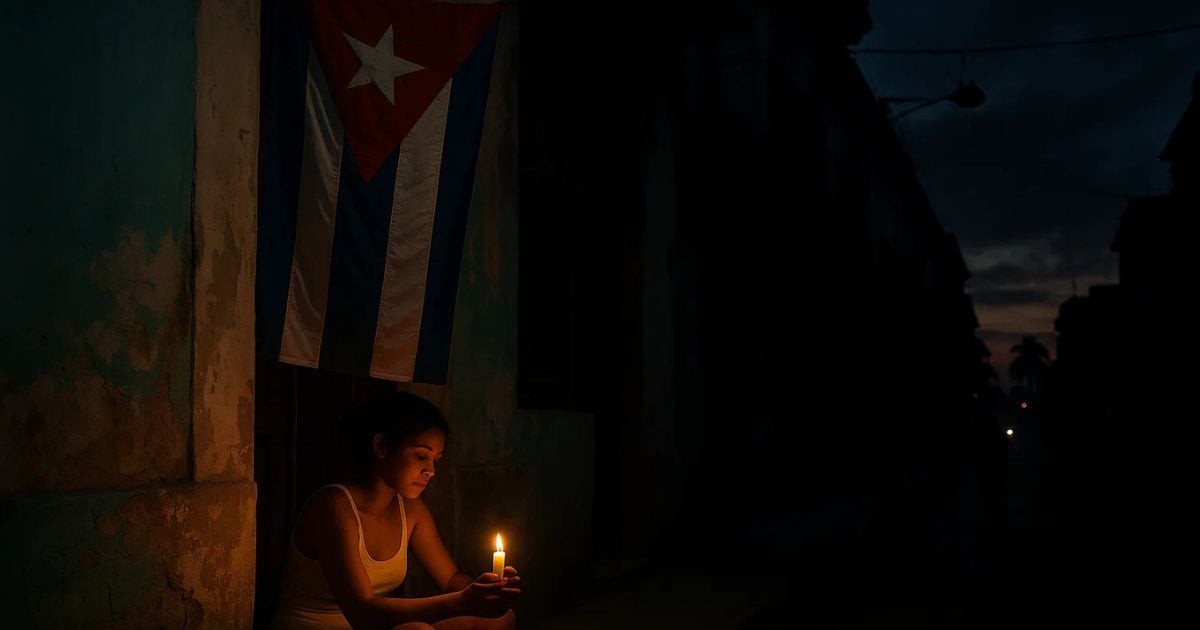
The human cost of the crisis
Cubans are facing endless blackouts, water shortages, spoiled food, and hospitals in darkness, while the regime insists on attributing the crisis to the "blockade" by the United States instead of its own policies of neglect and lack of investment.
The reality is that, after decades of unfulfilled promises and corrupt management, the national electric system is devastated.
Neither the announcements of new foreign investments nor the construction of hotels amid the collapse manage to alleviate the lives of a people forced to survive amidst blackouts and misery.
What happens in September 2025 is merely the confirmation of an undeniable truth: Cuba is on the brink, and the dictatorship is not providing real solutions to the energy crisis that is consuming the country.
Frequently Asked Questions about the Energy Crisis in Cuba
What is the main cause of power outages in Cuba?
The main cause of power outages in Cuba is the deficit in electricity generation. This deficit is a result of the chronic underinvestment by the government in energy infrastructure, which has led to multiple breakdowns in thermoelectric plants, lack of maintenance, and fuel shortages.
What is the current electricity deficit in Cuba?
The electricity deficit in Cuba has reached alarming figures, approaching 2,000 MW during peak demand. In recent reports, the electricity deficit exceeded 1,900 MW. This has led to prolonged and persistent power outages throughout the country.
What impact do blackouts have on the daily lives of Cubans?
Blackouts in Cuba severely affect the quality of life of its residents. Power outages lead to water shortages, spoilage of food, and hospitals in darkness. Furthermore, they have a negative impact on the economy and basic services in the country.
Are there short-term solutions to the energy crisis in Cuba?
No effective short-term solutions have been implemented for the energy crisis in Cuba. Although announcements of new investments have been made and solar parks have been established, these efforts have not been sufficient to cover the structural deficit of the electrical system. The current situation reflects an unsustainable energy model, and no real solutions have been offered to overcome the crisis.
Filed under: