
Related videos:
Cuba is trapped in a structural blackout that cannot be resolved with speeches or promises. Electricity and water are not luxuries: they are basic rights, minimum conditions for living. Yet, our national electrical system is increasingly deteriorated, unable to guarantee the essentials.
In light of this reality, some experts, such as economist Juan Triana, have emphasized the need to create room for private investment. The proposal makes sense: no bankrupt state can single-handedly revitalize an electrical system that requires billions of dollars for modernization.
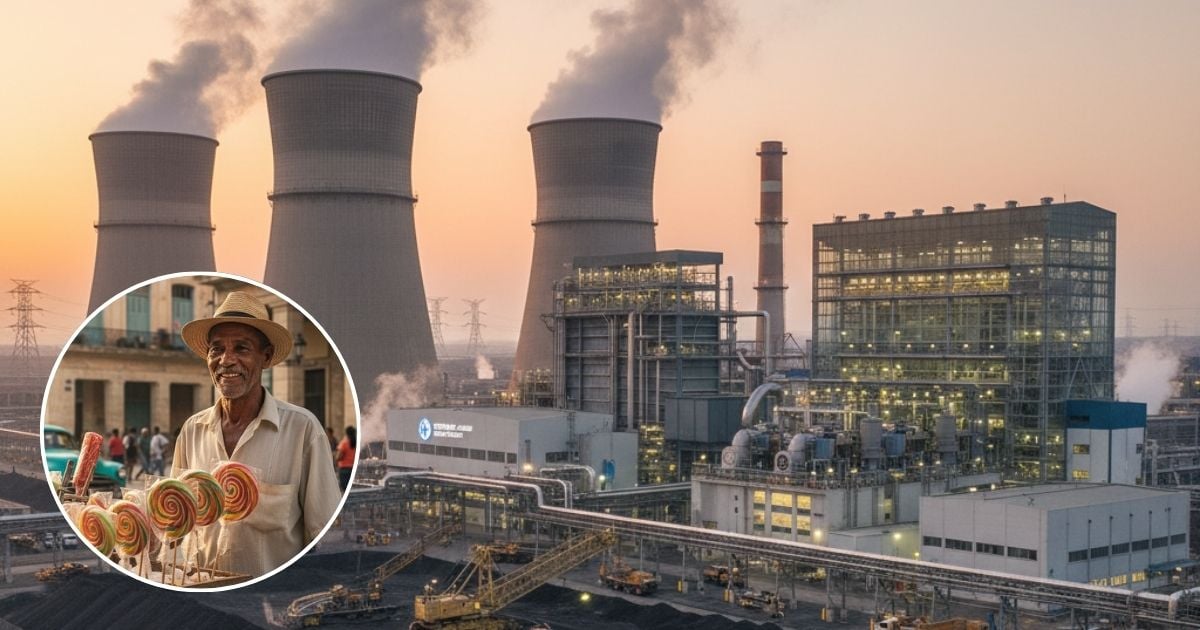
But investing in an electrical system is not like selling candy, with all due respect to the candy sellers and other sweets. It is not a corner business that can operate on good will. It is heavy infrastructure, long-term, that requires clear rules, stability, and trust in the legal framework.
The responsibility of the State is not only to acknowledge that it needs the private sector, but also to create an environment in which that investment is viable.
He knew "the great culprit" Fidel Castro when he invented the Energy Revolution. He needed something that would yield immediate results and calm the people, so he focused on measures with immediate impact: replacing inefficient appliances, distributing energy-saving light bulbs, and filling the country with diesel generators to ensure electricity. However, the underlying problems remained unchanged. The old Soviet thermal power plants from the 1970s and 1980s deteriorated without a real renewal plan, and instead of investing in lasting infrastructure, the government clung to temporary fixes that, while they stabilized the service for a time, created a costly and inefficient dependency on generators.
And 20 years later, everything has gotten worse. The Cuban state is burdened with a monumental technological debt, and yet they are immersed in what could be called an Energy Revolution 2.0, trying to weather the storm for a few more years. They have decided to shift from diesel generators to solar parks in an attempt to solve the problem quickly and without once again thinking about the future. They believe that solar panels will resolve the crisis with relatively affordable and simple investments, without the need to invest in thermal power plants.
But a national electrical system cannot be built with isolated solar parks. The interconnection between them and with the electrical system requires transmission and distribution lines, high-voltage transformer stations, automatic switching and control systems... in short, an expensive infrastructure that Cuba lacks. Many other countries with modern energy systems have faced the challenge of managing distributed renewable energy systems and have suffered serious problems such as the total blackout that occurred in Spain last April.
The reality is that the Cuban electrical system requires multi-million dollar investments in projects that take not just one or two years, but decades to realize. However:
What sensible private company would risk capital in a country where the rules change at whim? Who is going to invest millions in turbines, power plants, transmission lines, solar or wind parks if tomorrow they could confiscate assets, freeze dividends, or breach contracts, as has already happened in other sectors?
The responsibility of the State is not only to acknowledge that it needs the private sector, but also to create an environment where that investment is viable. This means:
- Real legal security, with independent courts.
- Transparent and stable regulation, with rates that allow for cost recovery without burdening the population.
- Tax incentives.
- Respect for property and contracts, guaranteed even by mechanisms of international arbitration.
- Ease of repatriating earnings in foreign currency.
Without that, talking about private investment is just window dressing. No one is going to put their money in a minefield. Especially not when we’re discussing energy, an industry where every decision involves millions, not cents.
Cuba needs private investment in its electric system, yes. But more than that, it needs a government that fulfills its role: to design the rules, respect them, and provide guarantees. Because if recent history has shown us anything, it's that without trust, there will be no capital, and without capital, we will remain in the dark.
Filed under:
Opinion article: Las declaraciones y opiniones expresadas en este artículo son de exclusiva responsabilidad de su autor y no representan necesariamente el punto de vista de CiberCuba.