
Related videos:
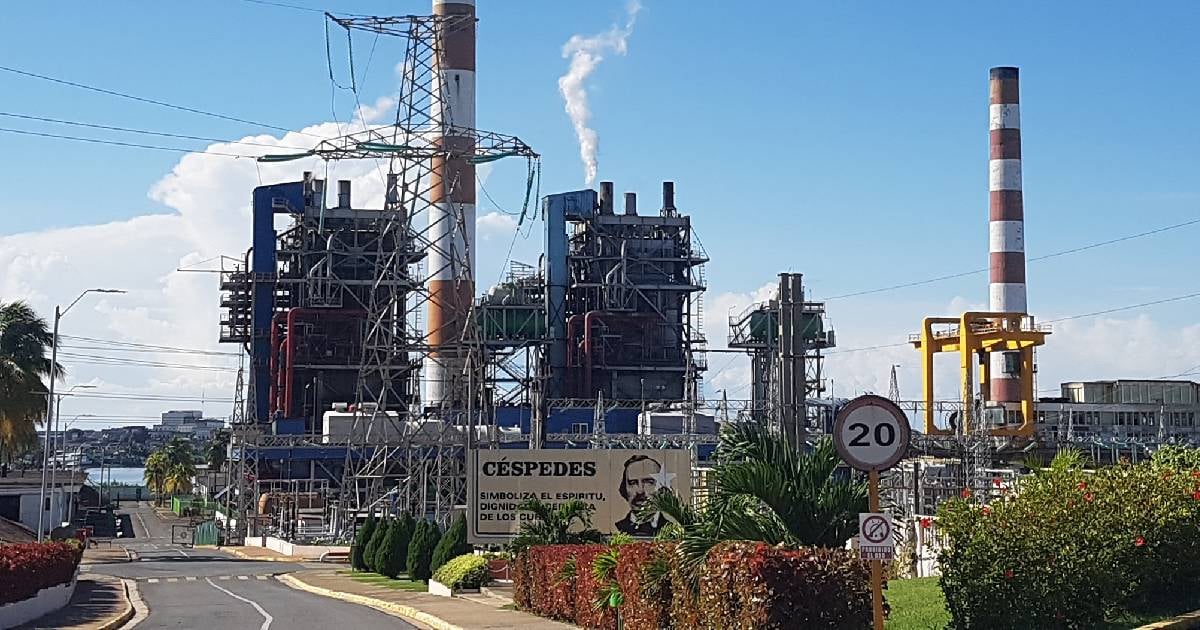
The Cuban regime once again blamed the U.S. embargo for the serious issues facing the national electrical system and, in particular, for the critical situation of the Carlos Manuel de Céspedes Thermoelectric Plant in Cienfuegos, which continues to have units out of service amidst the constant blackouts experienced by the population.
During the presentation of the report on the impact of the embargo, Foreign Minister Bruno Rodríguez denounced that the CTE suffered "direct damage" because a foreign company refused to provide technical assistance on the grounds that its equipment contained more than 10% U.S. components. This refusal, he stated, made it impossible to urgently repair one of the plants deemed critical for sustaining generation.
Rodríguez also took the opportunity to emphasize that the embargo has caused millions in losses for the country. According to his figures, in 2024 the damages amounted to 7.556 billion dollars, which —if that policy did not exist— would have allowed for a GDP growth of 9.2%.
"Two months of blockade have caused damages amounting to 1.6 billion USD, equivalent to the cost of the fuel needed to meet the country's normal electricity demand," it was published on X.
In another message, he stated that just 12 days of embargo amount to 250 million USD, the same figure as the annual cost of maintaining the National Electroenergetic System.
However, the official figures clash with the acknowledgments from the government itself. In 2024, the economy contracted by 1.1%, and the Minister of Economy, Joaquín Alonso, admitted in July that "what is currently coming into the country is not enough" even for food, fuel, or basic maintenance of the electrical system.
For its part, the Carlos Manuel de Céspedes thermoelectric plant, once considered one of the most reliable facilities in Cuba, has become a symbol of the energy collapse. In recent months, it has experienced consecutive breakdowns in its units, failure to meet schedules, and prolonged repairs that increase public discontent.
In September, Unit 3 was taken offline due to a malfunction in the condenser, while Unit 4, disconnected since December 2024, has undergone maintenance that was initially supposed to be completed in June but has since been postponed to October 2025. Cracks in the boiler and failures in the superheater and reheater have left that unit idle, despite the repeated promises from the Electric Union and authorities in the sector.
The situation has fueled public skepticism, especially after mass blackouts like the one on September 10th, when the total collapse of the National Electroenergetic System left almost the entire island in the dark.
Facebook/Frank Enrique
Structural crisis
While the government insists on blaming the embargo, independent economists warn that the electricity crisis also has internal causes such as lack of investment, low productivity, budget deficit, and an economic model unable to generate sustainable foreign currency.
This is compounded by corruption, with investigations indicating that military conglomerates like GAESA are amassing billions of dollars while the population faces scarcity.
The deterioration of the electrical system has a direct cost on daily life. Millions of Cubans endure daily power outages that affect food preservation, disrupt education and work, and exacerbate social unrest. For many, blackouts have ceased to be an occasional issue and have become tangible evidence of a system on the brink of collapse.
“It's better if they don't turn it on again, because every time it starts up, they end up shutting us all down,” quipped a user on social media following yet another official announcement about the Cienfuegos plant. This statement encapsulates the sense of incredulity and exhaustion felt by a population that lives in the darkness of blackouts and the lack of effective responses from their government.
Filed under: