
Related videos:
A new wave of operations against informal trade is shaking Havana amid the so-called National Exercise for Crime Prevention and Confrontation, resulting in dozens of fines, confiscations, and forced sales that have directly impacted street vendors and self-employed workers in a city where many depend on this sector to survive.
La Havana was the scene this week for these actions as part of the fourth day of the IV National Exercise, which is taking place across the country until September 27. According to information published by the Government of Havana, in the municipality of Guanabacoa, 27 inspectors participated, 59 inspections were conducted, and 124 fines were imposed, of which 29 were applied under decrees 30 and 91. The total amount reached 315,120 Cuban pesos.
Thirteen forced sales and five confiscations were also reported as part of the regulatory actions directed by the Ministry of Finance and Prices on its social media.
The offensive, which involves various state entities, took place in other municipalities of Havana.
In Plaza de la Revolución, an operation was launched involving over 30 inspectors, resulting in 90 control actions, 20 temporary immobilizations, and 11 illegal vendors detected. Fines exceeded 1.2 million pesos.
In Centro Habana, a production and marketing workshop in Cayo Hueso was fined 42,000 CUP for selling expired products, in addition to other penalties for price violations and lack of labeling.
In La Lisa, the inspections focused on the UBIA Company, where the quality of regulated bread, hygienic conditions, and internal safety were examined.
Generally speaking, the National Office of Tax Administration (ONAT) reported 268 establishments inspected, 143 fines amounting to 740,500 CUP, 30 temporary closures, and a tax debt of 371.2 million Cuban pesos, of which over 24 million have been recovered.
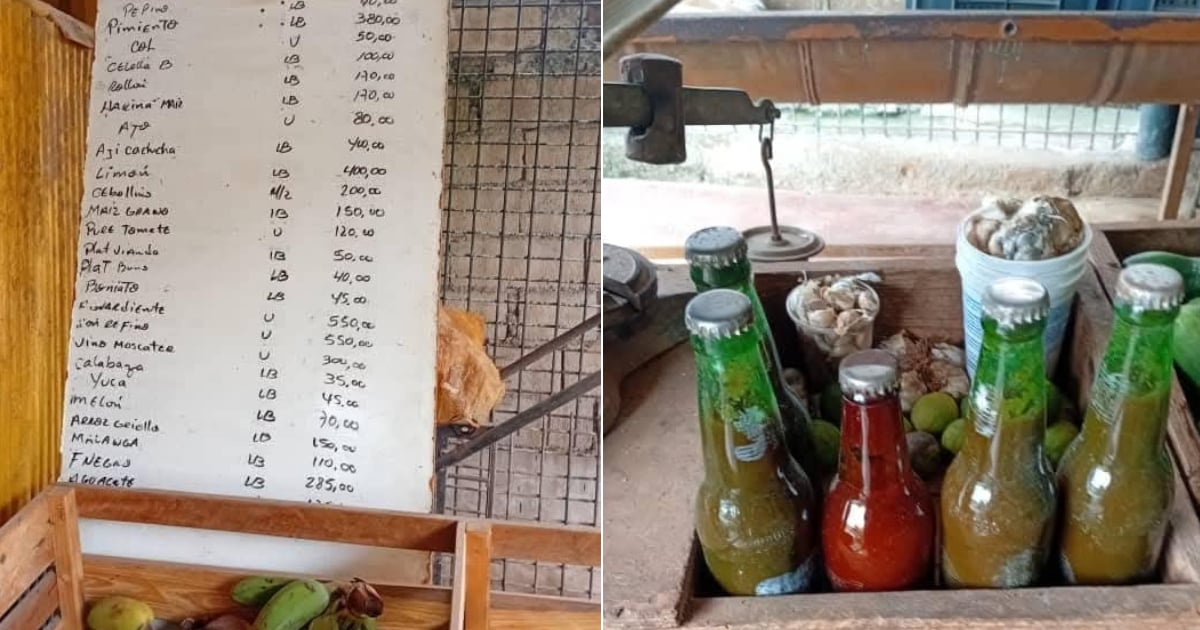
The operations, promoted by the government as part of a campaign to ensure "internal order" and social discipline, have also generated strong citizen criticism, especially in areas like the Tulipán Agromarket, where arbitrary arrests and seizures against street vendors were reported.
"The police detained people who are struggling to make ends meet by selling food and cigarettes that the government does not have available to sell," a citizen reported on social media.
The leader Miguel Díaz-Canel justified the offensive during the opening of the national exercise, highlighting the need to "ensure citizen tranquility" amid discontent over power outages, food shortages, and protests.
The current campaign adds to other recent actions aimed at demanding the use of the Fiscal Bank Account and mandatory electronic payments. Critics see these measures as attempts to increase state control over the non-state economy in a context of inflation and scarcity.
Meanwhile, in the city of Holguín, similar actions were reported, with operations against vendors on Calle 13, local complaints of arbitrariness, and an increasing sense of repression.
For many Havana residents, informal sales remain one of the few avenues for accessing basic products amidst an economy suffocated by scarcity and increasing institutional control.
Frequently Asked Questions about Operations Against Sellers in Havana
What measures have been taken against informal commerce in Havana?
In Havana, operations have been carried out where fines, seizures, and forced sales have been imposed on street vendors and self-employed workers. This has occurred in the context of the IV National Exercise for Crime Prevention and Confrontation, which aims to ensure internal order and social discipline.
What has been the response of the population to these operations?
The response from the population has been one of strong criticism and discontent. Many citizens believe that these actions impact those trying to survive amid the economic crisis, while more serious structural issues such as drug trafficking and gender-based violence remain unaddressed.
Why is the Cuban government implementing these control measures?
The Cuban government justifies these measures as necessary to ensure citizen tranquility and internal order, in a context of discontent due to power outages, food scarcity, and protests. However, critics argue that these actions aim to increase state control over the non-state economy.
How do these operations affect the economy of citizens in Havana?
These operations significantly affect the economy of citizens in Havana, as informal sales are one of the few ways to access basic products for many residents of Havana. The increasing institutional repression further complicates survival amid the economic crisis.
Filed under: