
Related videos:
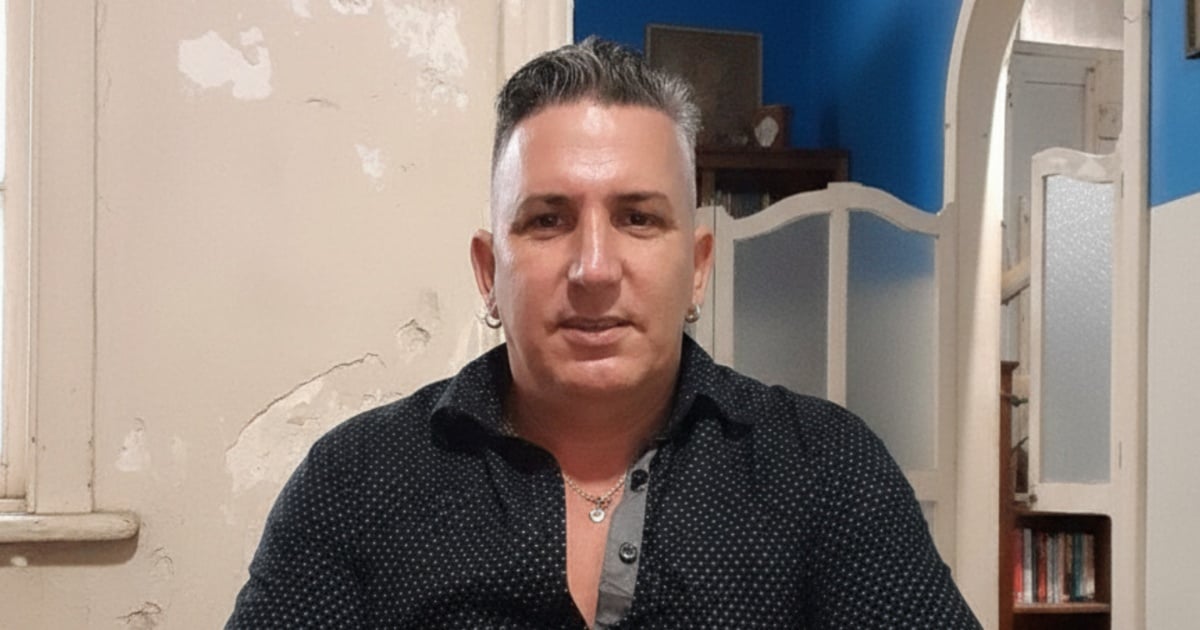
The trial against the political prisoner Yaser García López has concluded for sentencing, where the prosecution requested eight years in prison: six for the charge of "propaganda against the constitutional order" and two for "public disorder," according to information received from Cubalex.
The process was overseen by reporting judge Justo Gustavo Faife Hernández, from the Provincial People's Court of Villa Clara. The sentence was issued by prosecutor Frank Julio Cotilla Rodríguez.
The organization reported that the file violates basic rights, including freedom of expression, and that it aims to penalize García López's critical stance and his social media posts as a means of exemplification.
For Cubalex, the case highlights the lack of judicial guarantees in Cuba and the use of the penal system as a tool for political control to criminalize dissent and suppress the legitimate exercise of fundamental rights.
The entity warned about the seriousness of the process and demanded respect for the human rights of the accused.
Yaser has been detained since March 18, 2025, for chanting dissenting slogans and for critical posts on social media.
He is currently incarcerated in La Pendiente prison in Santa Clara.
This Thursday, it was also reported that the Cuban Prosecutor's Office requested sentences of up to nine years in prison for six men accused of participating in a peaceful pot-banging protest against power outages in the town of Encrucijada, Villa Clara.
Among those prosecuted is the independent journalist José Gabriel Barrenechea, charged with "public disorder."
Five of the defendants have been in pretrial detention since the days following the protest that took place on November 7, 2024.
According to the accusation, the men led the demonstration with three kettles "that could not be used" and shouted phrases like "Turn on the power, we want electricity," which, according to the Prosecutor's Office, disturbed "public tranquility" and obstructed vehicle traffic.
However, this is another case of repression by the Cuban regime against the Cuban civilian population, weary of the economic crisis and power outages.
Frequently Asked Questions about Political Repression in Cuba and the Trial of Yaser García López
Why is Yaser García López facing trial in Cuba?
Yaser García López is facing a trial accused of "propaganda against the constitutional order" and "public disorder." The prosecution has requested a sentence of eight years in prison due to his critical stance towards the Cuban regime and his posts on social media. This case has been reported by organizations such as Cubalex, which highlight the lack of judicial guarantees and the use of the penal system to suppress political dissent in Cuba.
What is the situation of the protesters who participated in the cacerolazo in Encrucijada, Villa Clara?
The Cuban Prosecutor's Office has requested sentences of up to nine years in prison for the protesters involved in the pot-banging protest in Encrucijada. Among the accused is independent journalist José Gabriel Barrenechea. The charges are based on "public disorder" even though the demonstration was peaceful. This trial is yet another example of the Cuban regime's repression against the civilian population, which is enduring a deep economic crisis and constant blackouts.
How is the judicial system in Cuba used to suppress dissent?
The Cuban judicial system is used as a tool of political repression against dissent. Cases like that of Yaser García López or the protesters in Encrucijada demonstrate how the regime employs charges of "public disorder" and other accusations to criminalize the exercise of fundamental rights such as freedom of expression and peaceful protest. Sentences are often disproportionate and lack adequate procedural guarantees.
What impact does political repression have on Cuban families?
Political repression in Cuba has a devastating impact on families. Cases like that of José Gabriel Barrenechea, who was separated from his ill mother while incarcerated, illustrate how repression extends beyond prison cells and deeply affects family bonds. Furthermore, the criminalization of dissent creates an atmosphere of fear that discourages participation in peaceful protests.
Filed under: