
Related videos:
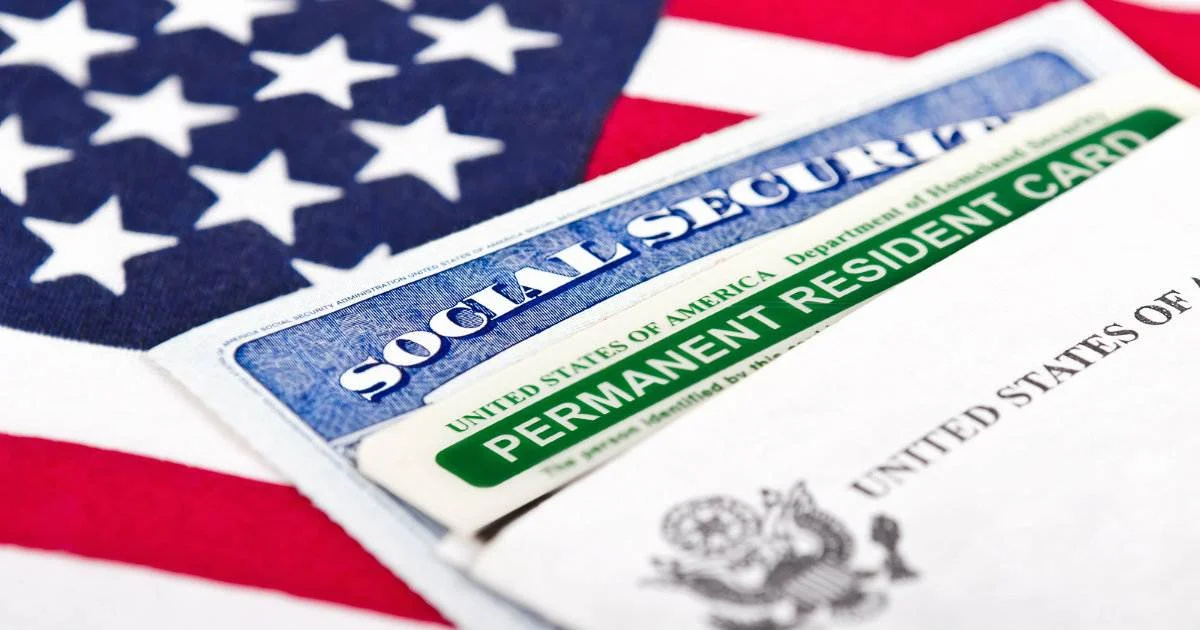
Permanent residency in the United States, known as a "green card," is one of the most sought-after benefits by immigrants due to the rights it grants.
One of the most common ways to obtain it is through family ties, although the process varies in time and complexity depending on the category in which the applicant is classified.
The United States Citizenship and Immigration Services (USCIS) establishes two main categories: Immediate Relatives and Family Preference.
Two categories, two realities
For Immediate Relatives, visas are available immediately, reducing the waiting times to a few months. This category includes:
Spouses and children under 21 years of age of U.S. citizens.
Parents of American citizens.
Orphans adopted inside or outside the country.
The process is carried out using Form I-130, in which the citizen requests an immigrant visa for their family member, and Form I-485, through which the beneficiary applies for residency or status adjustment if they are already in the United States on another visa.
The Family Preference category, on the other hand, is subject to annual quotas and long waiting lists. It includes:
Unmarried children of any age of U.S. citizens.
Spouses and children under 21 years old, or unmarried adult children, of permanent residents.
Married children of U.S. citizens, along with their spouses and children.
Brothers of U.S. citizens, along with their husbands and minor children.
In this group, the timelines depend on the country of origin and can extend for years.
The State Department publishes a monthly bulletin with the available dates for each category, based on the date USCIS received the initial petition.
Additional requirements and recent changes
In addition to the forms, applicants must submit proof of family relationships, pass background checks, and undergo interviews and verifications to ensure that the connections are genuine.
USCIS recommends consulting an immigration attorney to avoid mistakes in the process.
In August, USCIS announced a tightening of the rules for the family reunification program.
The changes include stricter background checks, additional requests for documentary evidence, new eligibility criteria for accepting Form I-130, and more stringent requirements during visa interviews.
The agency justified the changes under Executive Order 14161, which aims to ensure greater "integrity and security" in migration processes.
"This guide will enhance USCIS's ability to scrutinize marriages and family relationships that qualify to ensure they are genuine," the institution explained.
Adjustments to citizenship
At the same time, it was reported that USCIS is preparing changes to the naturalization exam.
The director of the agency, Joseph Edlow, stated in an interview with The New York Times that the current test "is not very difficult" and that it should restore the rigor imposed during the Trump administration in 2020, which required answering 12 out of 20 questions, instead of the 6 out of 10 format adopted under Joe Biden in 2021.
The Cuban Drama: Obstacles Imposed by Castroism
While these rules affect immigrants from all over the world, for Cubans the process takes on a particular nuance.
The Castro regime has been fragmenting families for decades through political repression, control of mobility, and manipulation of old exit and reunification permits.
Thousands of Cubans seeking to reunite with their loved ones in the United States must confront not only the legal procedures on American soil but also the internal blockade imposed by the Cuban state itself, which has historically complicated or conditioned emigration.
In this context, the path to permanent residency through family ties is seen as a way to escape the regime's control. However, bureaucracy, changes in immigration rules, and long waiting lists can prolong the separation for years, exacerbating the suffering that is a direct consequence of Havana's repressive system.
For many Cubans, obtaining permanent residency is not just a migration process: it is a way to definitively break free from the political prison that the Island has become and to reclaim the family unity that Castroism has destroyed.
Frequently Asked Questions about Permanent Residence through Family Ties in the U.S.
What are the main categories for obtaining permanent residency through family ties in the U.S.?
The main categories are Immediate Relatives and Family Preference. Immediate Relatives include spouses and children under 21 years of age of U.S. citizens, parents of U.S. citizens, and adopted orphans. Family Preference encompasses unmarried children of any age of U.S. citizens, spouses and children of permanent residents, married children of U.S. citizens, and siblings of U.S. citizens.
What recent changes has USCIS implemented in the family reunification processes?
USCIS has tightened the rules of the family reunification program through stricter background checks, additional requests for documentary evidence, and more stringent criteria in visa interviews. These changes aim to ensure the integrity and security of immigration processes and are aligned with Executive Order 14161.
How does the Cuban regime affect the family reunification process for Cubans?
The Cuban regime imposes significant obstacles by fragmenting families through political repression and control of mobility. This adds a layer of difficulty for Cubans seeking to reunite with their loved ones in the U.S., as they must navigate both the hurdles set by the Cuban government and the complexities of the U.S. immigration system.
What recommendations does USCIS make to applicants for residency based on family ties?
USCIS recommends consulting with an immigration attorney to avoid mistakes in the process. It is also important to provide strong evidence of the family relationship and to be prepared for interviews and verifications that demonstrate the authenticity of the family ties.
Filed under: