
Related videos:
Even the state-run press can no longer escape the painful reality experienced by Cubans and is beginning to reveal the everyday struggles of fever, hunger, and power outages.
A raw photo report by photographer Raúl Navarro titled “The Illness We Suffer” featuring images of the heartbreaking reality faced by the people of Matanzas has surprisingly made its way into the pages of the local official newspaper Girón.
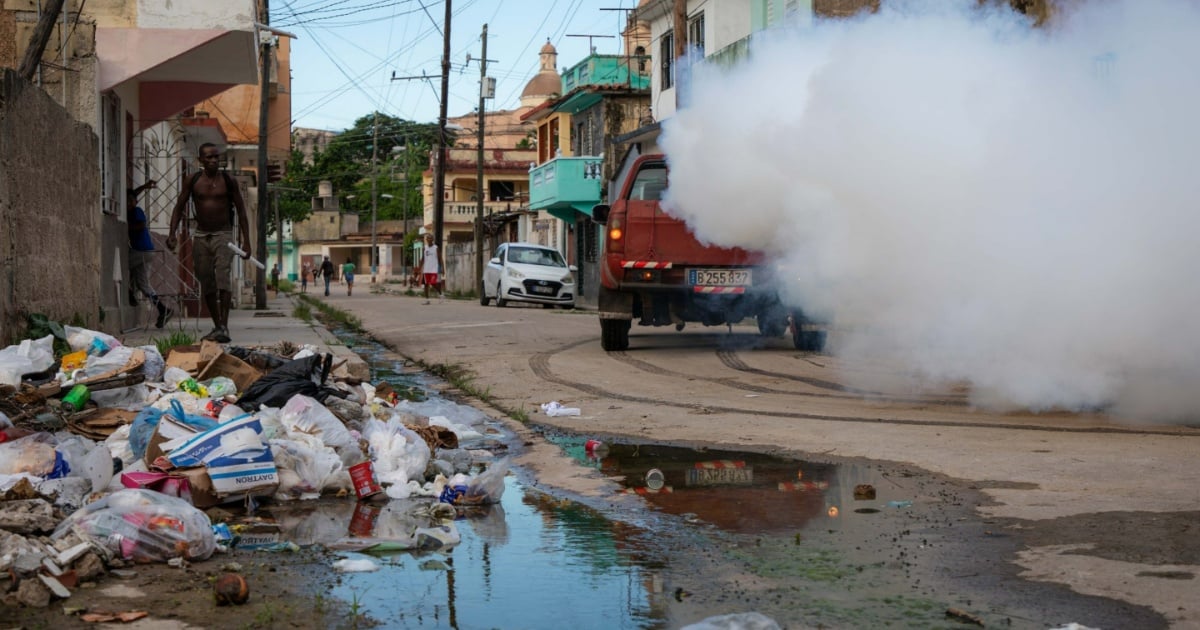
But the report not only includes photos of sick children, mosquito bites, garbage dumps, and people with faces marked by despair; it also features a text that describes the dire circumstances currently facing Matanzas, accompanying the images.
"You have lost your appetite, you have lost weight, you have lost strength in your hands and legs, and the terrible pain makes you not want to get out of bed, even though the sheets no longer smell clean but rather of the last fever you sweated out, the stale price of the pack of paracetamol, mixed with the smell of the spiral you burned and the spray repellent for $10 that you sprayed on your child’s body, hoping - for God’s sake! - that no mosquito would infect him," reads this account that alludes to a collective reality of epidemic and poverty.
“In the end, spending all your savings or getting into debt until the next paycheck or remittance proves to be in vain. Your child also falls ill. Thus, you come to realize that when the disease has reached this level of spread, it is merely a matter of luck for someone to escape unscathed,” the account adds.
The report is published amidst a complex epidemiological situation in the province, characterized by the simultaneous circulation of dengue, chikungunya, and Oropouche virus, a public health crisis that has not yet been officially recognized by the Ministry of Public Health as “combined arbovirosis,” despite the available medical and scientific evidence.
In this regard, the text published in Girón adds to the criticisms of the authorities for their slow response and inefficiency in addressing and acknowledging the health crisis.
"You no longer know how many days you, your husband, or your mother-in-law have been experiencing symptoms, whether this is dengue, oropouche, or chikungunya, when the aftereffects will go away, how many minutes have passed since you got out of bed, where it all started, when the authorities were informed, or why it took them so long to act. Or maybe they acted quickly and appropriately, and you just didn't find out because you no longer watch the news due to power outages, and you don't have internet until the month is over to be able to make the next recharge," the report states.
"This illness we suffer leaves an overly bitter taste of iron in the mouth," he concludes.
In Matanzas, infections have surged since July, and several municipalities have been identified as affected areas. While local authorities acknowledge the spread of dengue and chikungunya, they have officially denied the existence of fatalities related to the outbreaks, although institutional silence persists regarding certain specific diagnoses.
Health care is also affected by the issues. At the Cárdenas hospital, patients and their families have pointed out that they must cover the cost of reagents and medications on their own due to the lack of supplies, despite the denials from the provincial health system.
Frequently asked questions about the health crisis in Cuba
What diseases are currently affecting Matanzas, Cuba?
Matanzas is being affected by the co-circulation of the dengue, chikungunya, and oropouche viruses. These viruses are transmitted by mosquitoes and are causing a health crisis that the Cuban government has not officially recognized as "combined arboviruses." The lack of specific diagnosis and resources in hospitals has hindered the proper management of these outbreaks.
How is the current health situation affecting the quality of life of Cubans in Matanzas?
The quality of life in Matanzas has deteriorated significantly due to the health crisis. Citizens are facing fever, muscle pain, mosquito bites, and a lack of medical resources. Furthermore, the shortage of medications and reagents forces families to pay for treatments out of their own pockets. These conditions are worsened by frequent power outages and inadequate health infrastructure.
Why doesn't the Cuban government recognize the crisis as "combined arboviruses"?
Despite the medical and scientific evidence, the Cuban government has not officially recognized the crisis as "combined arboviral diseases." The lack of recognition hinders the implementation of unified diagnostic and treatment protocols, which limits an effective health response and leaves the population exposed to a more dangerous epidemic.
How are the health authorities in Cuba responding to the health crisis in Matanzas?
Health authorities have begun actions such as epidemiological surveillance, fumigation, and environmental sanitation, although these measures are insufficient due to a lack of resources such as insecticides and trained personnel. The response has been criticized for its delay and inefficiency, leading the population to feel unprotected amid the crisis.
Filed under: