
Related videos:
The artist from Matanzas, Sindy San Miguel Fariñas, who lives in the town of Carlos Rojas in the municipality of Jovellanos, reported on social media that her community is facing a serious health crisis due to an outbreak of chikungunya, amid food shortages and a lack of medications.
“I am experiencing the same pain as I did in the first 72 hours of the illness. I can’t lift my feet; I drag them to walk, and I can’t bend my knees due to the pain and inflammation,” he wrote in a public message on his Facebook profile. “I manage to do basic things like this, but as soon as I make a little more physical effort, I become inflamed and suffer from terrible pain in all my joints.”
He explained that after an initial apparent improvement, the symptoms returned with greater intensity, attributing this deterioration to a lack of proper nutrition. “We need around 8,000 pesos —or approximately 20 dollars— to eat at least once a day with the necessary vitamin D, as we are recovering from this virus and are very poorly nourished. Eating does not always mean being nourished.”
He reported that the prices of the few foods that could aid in recovery are unaffordable for most Cubans: “A can of tuna costs 3,000 pesos, a carton of eggs another 3,000, and a liter and a half of natural yogurt, 1,750. Who the hell in Cuba has 32,000 pesos a month for yogurt, tuna, and eggs? And everything else…”
She pointed out that her family—composed of her 81 and 88-year-old grandparents, her 60-year-old father, her young daughter, and herself—has gone through the virus in just a month, and that home treatments with rest, paracetamol, and fluids “are not sufficient.”
"Our body has no way to win the battle," she warned.
In his testimony, Fariñas went beyond the health complaint and delivered a direct message to the Cuban government: “If we do not open our eyes, we will die like abandoned stray animals. Cubans on this island are living a horror movie, yes. Except for a small minority that still remains in their glass capsules watching us as we kill each other.”
“Ridiculous government, a bunch of ridiculous hypocrites, pathetic fools. They are disgusting. Mediocre leaders. They have ruined the lives of millions of families for their own benefit. They have been doing this for far too many years. Just get the hell out already. Before it's too late.”
And he concluded with a phrase that encapsulates the feeling of despair and frustration that runs through his complaint: “I don’t know where I read it, but I hope that out of so much hunger, the Cubans finally eat their fear.”
Meanwhile, health authorities in Matanzas have reported that "the chikungunya virus currently prevails over dengue in the province" and assured that no deaths have been recorded due to these diseases. Deputy Minister Carilda Peña García, in a television appearance alongside MINSAP officials, acknowledged limitations in resources, fumigation, and screenings, although she insisted that severe cases are due to comorbidities.
The historian and activist Alina Bárbara López Hernández has publicly denounced that the authorities are concealing the severity of the outbreak and that there is an order to deny deaths from arboviral diseases. “Their death certificates won’t say ‘chikungunya’, but that’s what triggered the end,” she stated.
Also, journalist Yirmara Torres Hernández also published a personal testimony where she recounts the death of a neighbor from chikungunya and states: "There are no dead, but there are."
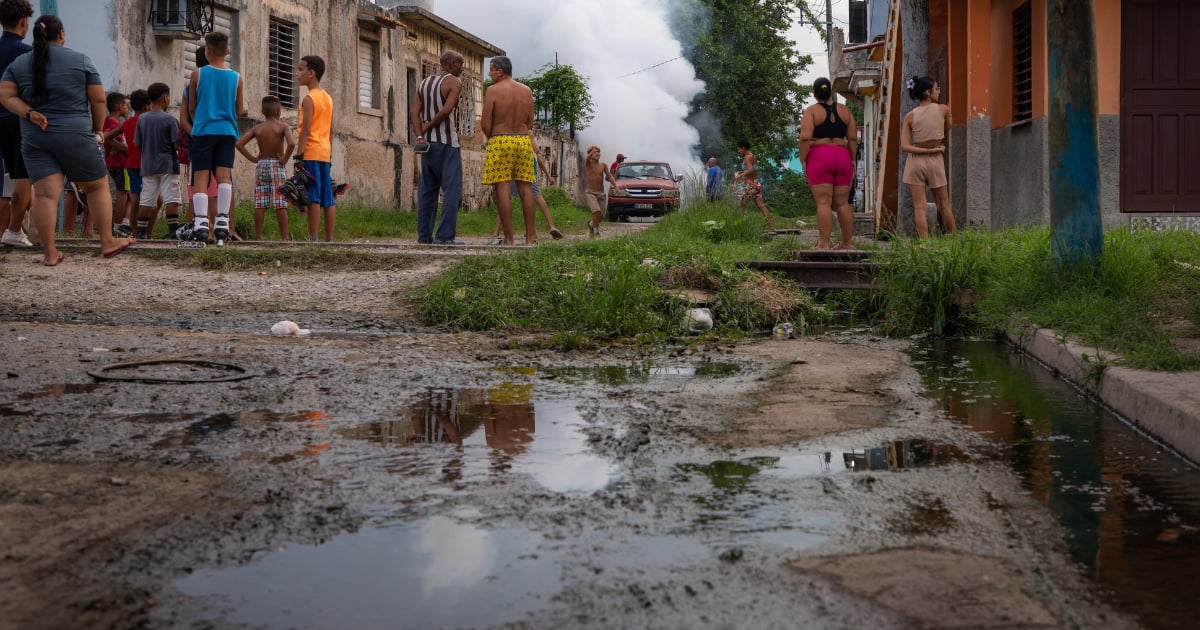
Local media reported that the pediatric hospital Eliseo Noel Caamaño, in Matanzas, has been reinforced with an additional center set up at the University of Medical Sciences, and that 2,500 students have been mobilized to conduct surveys and eliminate breeding sites of the Aedes aegypti mosquito in the municipalities of the area.
Authorities insist that the situation is under control, but accounts like that of Sindy San Miguel Fariñas, the complaints from local intellectuals and journalists, and the extraordinary deployment of human resources in the province point to a much more complex reality. As the spread of arboviruses continues in Matanzas, thousands of people are facing the disease without the minimum guarantees of food, medication, or clear information about the extent of the outbreak.
Frequently Asked Questions about the Chikungunya Outbreak in Matanzas
What is the current situation of the chikungunya outbreak in Matanzas?
The chikungunya outbreak in Matanzas is critical, with a high prevalence of cases in the province. Despite official efforts to control the situation, citizen testimonies and reports of a lack of medical resources indicate a reality that is more severe than what is officially reported. The spread of the virus is significantly affecting the quality of life of residents, who are confronting the illness without basic guarantees of food and medication.
What measures are the Cuban authorities taking to control the outbreak?
The authorities in Matanzas have implemented a contingency plan that includes intensified fumigation, vector control, and comprehensive environmental sanitation measures. However, resource limitations and a lack of medications have hindered these efforts, according to reports from citizens and activists. Furthermore, medical personnel from other provinces have been deployed to help alleviate the inadequate attention in local hospitals.
What are the main challenges faced by residents of Matanzas during the outbreak?
Residents of Matanzas are facing several challenges: food and medication shortages, prolonged power outages, and unsanitary conditions that facilitate the spread of the Aedes aegypti mosquito. Additionally, the lack of clear information and the perception that authorities downplay the seriousness of the situation have led to increasing distrust and frustration among the population.
What symptoms does chikungunya present and how does it affect those infected?
Chikungunya causes high fever, severe joint pain, and inflammation. Although it is not usually fatal, the symptoms can be debilitating and may last for weeks or months. In Matanzas, those affected have reported a combination of fever, vomiting, and extreme weakness, compounded by a lack of access to adequate medical treatments.
Filed under: