
Related videos:
The Cuban regime unleashed a wave of repression in the town of Baire, in Contramaestre, following the protests that took place on Thursday night, where dozens of residents took to the streets shouting “Freedom!” and “Down with the dictatorship!”.
According to a report by independent journalist Yosmany Mayeta Labrada, shared on his Facebook profile, agents of the National Revolutionary Police (PNR) are seeking out and questioning citizens who participated in the peaceful demonstrations.
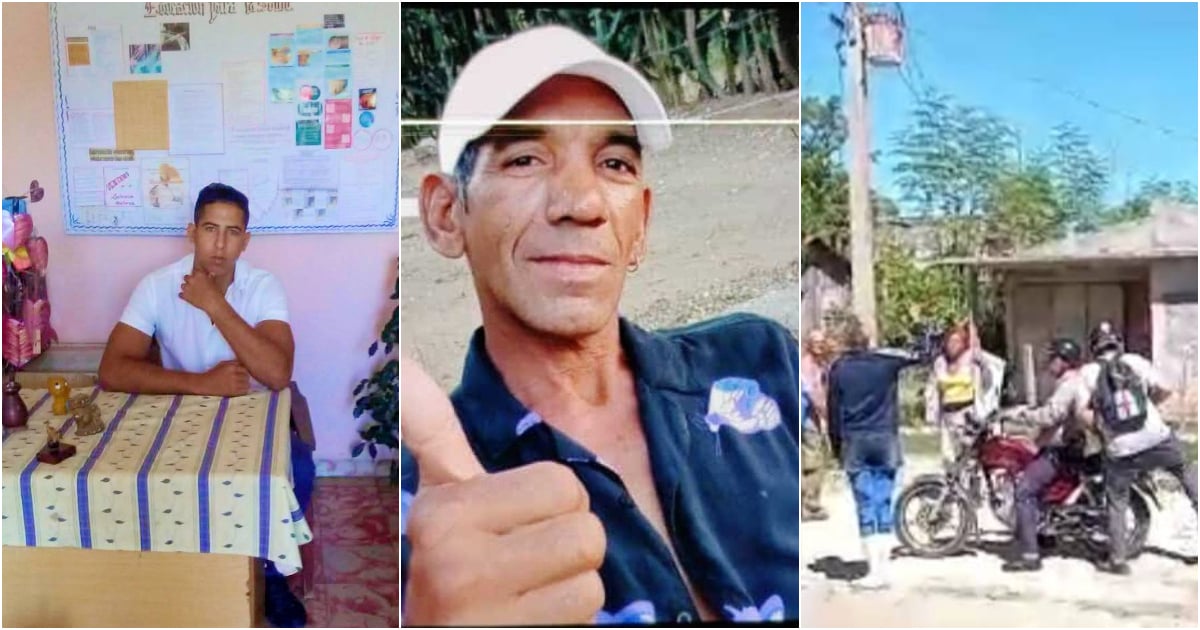
Among those identified is the young doctor Erlis Sierra, from the El Transformador neighborhood, one of the areas where the protest was strongest.
Local sources reported that, upon not finding him at home, the officers threatened to detain his father, Merly, if the doctor did not voluntarily present himself to the authorities.
"Since dawn, the neighborhood has been watched over by uniformed agents and plainclothes police," neighbors reported, describing an atmosphere of fear and harassment.
Mayeta also reported the detention of Osmani Heredia, another participant in the protest, and denounced that health sector workers are being summoned and threatened for having been present during the demonstration.
On social media, residents of the municipality confirmed the summons and requested support for the affected neighbors.
“They committed to not issue citations, and here they are citing in the Transformer. The first thing they need to have is their word,” wrote one of them in the Facebook group Revolico Baire 360.
The protests in Baire were among the most significant in the province of Santiago de Cuba since those on July 11, 2021, and March 17, 2024, driven by prolonged blackouts, food shortages, and the decline of basic services.
As popular discontent grows, the regime responds with its usual strategy: repression, threats, and surveillance to silence those who dare to protest in the streets.
Detentions and threats occur despite the fact that the regime itself downplayed the events, claiming they resulted in an "exchange" between local authorities and the population affected by the blackouts, even as they cut off internet access in the area.
In this regard, the official page Héroes del Moncada published a note on its Facebook profile this Friday, attempting to present its version of the protests that took place the night before, when residents took to the streets to express their frustration over the blackouts, food shortages, and lack of clean water that have been affecting the eastern population for weeks.
The official response follows the same repressive pattern as recent demonstrations that have taken place on the island, where official profiles immediately show images of areas "apparently calm," only to begin detaining and threatening participants in the events shortly thereafter.
Following the protests on September 13 in Gibara, triggered by prolonged blackouts and water shortages in the El Güirito community, the authorities stated that "everything occurred based on empathy and respect."
According to the Cuban Observatory of Human Rights, at least 27 people were detained following the demonstration, with four still imprisoned and the rest under strict surveillance.
In May, Bayamo witnessed spontaneous protests driven by prolonged blackouts, food shortages, and lack of water, when dozens of people took to the streets demanding immediate solutions and shouting, “We don’t want any more muela!”, in a clear reference to the empty promises of the authorities.
Under public pressure, the regime's response was twofold: on the ground, with the deployment of special troops and Communist Party officials; and in the digital realm, through internet cuts and a vigorous propaganda campaign on official social media. This campaign aimed to project an image of dialogue, tranquility, and complete control of the situation.
Frequently Asked Questions about the Protests and Repression in Baire, Cuba
Why did the protests occur in Baire, Cuba?
The protests in Baire, located in the municipality of Contramaestre, primarily arose due to prolonged blackouts, food shortages, and the lack of drinking water that have been affecting the eastern population for weeks. The demonstrators took to the streets demanding freedom and changes in response to the difficult economic and social situation they are facing. The public discontent was expressed with chants like “Freedom!” and “Down with the dictatorship!”, reflecting the populace's frustration with the crisis in the country.
How has the Cuban regime responded to the protests in Baire?
The Cuban regime has responded to the protests in Baire with a wave of repression, citing and interrogating the demonstrators. Agents of the National Revolutionary Police (PNR) have been seeking out and questioning citizens who participated in the peaceful demonstrations. Additionally, internet access was cut off in the area to prevent the spread of information about the protests. This response follows the usual repressive pattern of the regime in the face of expressions of social discontent.
What has been the reaction of the international community to the protests in Baire?
So far, there is no specific information regarding the international community's reaction to the protests in Baire. However, in similar events, organizations such as Amnesty International and Human Rights Watch have denounced the repression in Cuba, demanding respect for human rights. The international community typically observes these events with concern, especially due to human rights violations and the arbitrary detention of protesters.
Filed under: