
Related videos:
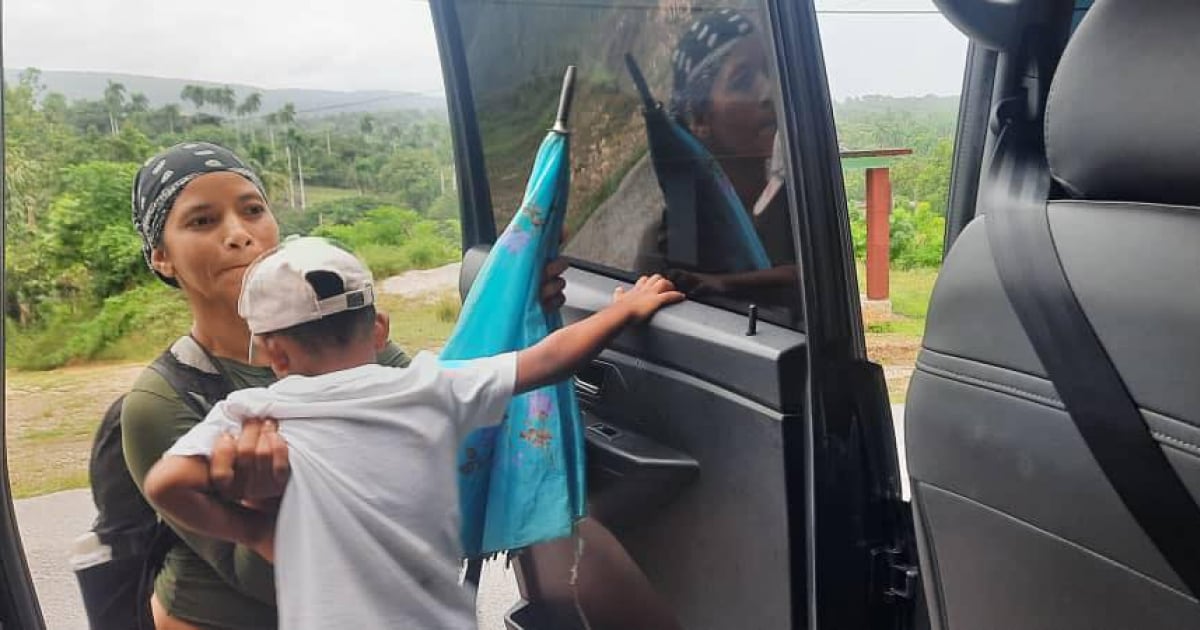
The hurricane Melissa has triggered the largest evacuation operation in Santiago de Cuba since Hurricane Sandy in 2012: as of Tuesday morning, nearly 169,000 people had been moved to safety.
According to reported by the president of the Provincial Defense Council, Beatriz Johnson Urrutia, the evacuations cover coastal communities, mountainous areas, and settlements near rivers and reservoirs, where the risk of flooding and sea encroachment is extreme.
"Up to this hour, 168,900 people have been evacuated throughout the province," Johnson reported, stating that the priority is to "protect life" in the face of the direct threat posed by the cyclone, which has winds of up to 295 kilometers per hour and continues to move over Jamaica.
The official stated that 101 evacuation centers remain active, along with numerous solidarity homes that are sheltering displaced families.
In the municipality of Guamá, it was explained, the entire population is protected, including residents of particularly vulnerable areas such as Cañizo, Caletón 2, Juan González, and Chivirico.
According to the official, the provincial healthcare system is operational with medical and logistical support, although the continuous reports of shortages of medication and personnel cast doubt on that statement.
All pregnant women at term or at risk were admitted to hospitals in Santiago de Cuba, while nursing homes and childcare centers located in dangerous areas are being relocated.
The leader also reported that surgical and medical brigades are deployed in the municipalities of Guamá and Tercer Frente, prepared to respond to any emergency, as these are areas that can become easily isolated.
He also highlighted the voluntary blood donation by the population and the assistance from certified clinical brigades that provide medical and psychological support to those evacuated.
The leader called on the population to maintain calm, discipline, and collective cooperation in the coming hours, as the deterioration of weather conditions is expected in eastern Cuba.
Among the recommendations, he insisted on staying indoors, keeping away from windows or glass, securing roofs, tanks, and loose objects, and having potable water, medications, and personal documents readily available.
"Hurricane Melissa is already in Jamaica and maintains its intensity. It is a serious threat to our region. The priority is —and will continue to be— to protect lives. Let's take care of each other now!" he concluded.
Previously, it was reported that around 650,000 people would be evacuated in Eastern Cuba due to the proximity of Hurricane Melissa.
A total of 258,573 people from the province of Santiago de Cuba, about 69,000 from Holguín, 139,914 from Guantánamo, 72,000 from Las Tunas, and approximately 110,000 from Granma will need to leave their homes and seek shelter in the homes of friends or family, or in evacuation centers.
The Meteorological Institute of Cuba issued a television update on the evolution and imminent impact of Hurricane Melissa, an extremely dangerous system that is continuing to intensify as it approaches the southern part of the eastern region of the country.
According to the latest report from the Weather Forecast Center (INSMET), the hurricane is on a path that will directly impact the provinces of Granma, Holguín, and Santiago de Cuba during the early hours of Wednesday, October 29.
Filed under: