
Related videos:
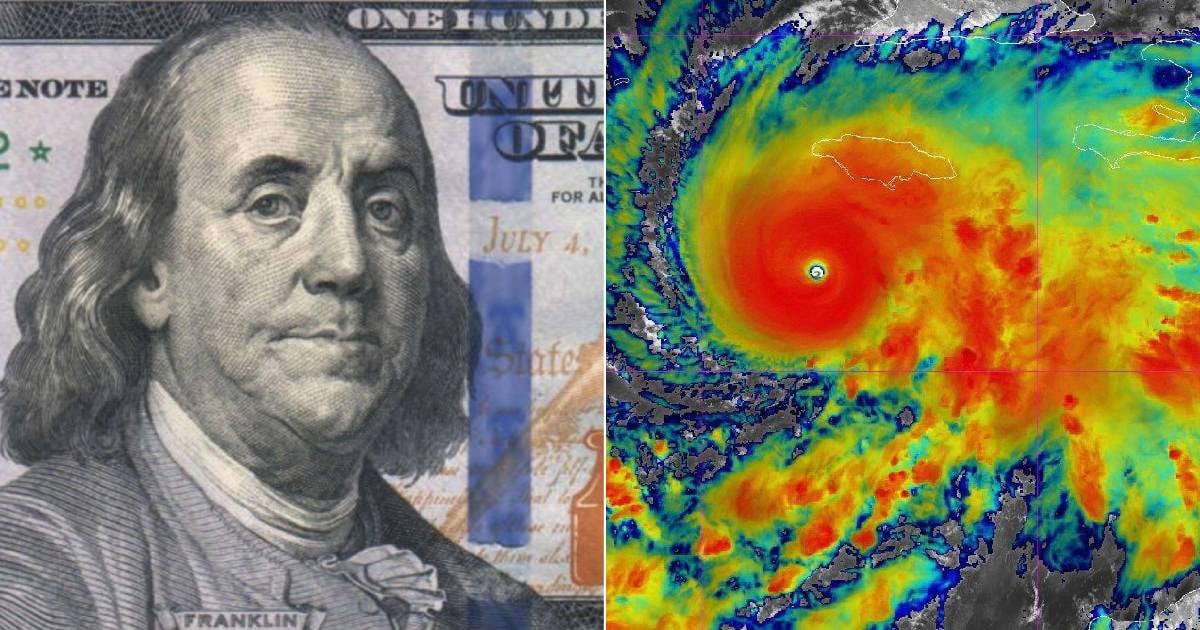
Norway announced on Monday a donation of 400,000 dollars to Cuba as part of its contribution to the United Nations Central Emergency Fund (CERF), to support the response to the imminent impact of the hurricane Melissa, which threatens the eastern part of the island as a powerful category 5 cyclone.
The Norwegian ambassador in Havana, John Petter Opdahl, reported about the aid through the social media platform X, where he wrote: “#Norway, through the emergency fund @UNCERF, is contributing 400,000 USD to #Cuba in response to the anticipated impact of #HurricaneMelissa.”
However, the post sparked immediate criticism among journalists and Cuban users. Communicator José Raúl Gallego responded to the ambassador with a question that many share:
"Ambassador, why do you continue to give money to those who sell the donations or use them to rotate military reserves instead of finding a way to get them directly to those affected or through organizations and networks of real civil society?"
Donations under state control
The concern arises from past experiences, where international aid—especially that funneled through UN agencies—has ended up under the control of the Cuban regime, which determines how, when, and to whom the resources are distributed.
Reports of the sale of donations or their diversion to state and military structures have been frequent during past emergencies, leading to distrust among citizens and international observers.
Meanwhile, the United Nations Development Programme (UNDP) also announced a pre-positioned shipment of resources in anticipation of the imminent arrival of the hurricane, which include:
4,000 tarps for roofs.
7 electric generators.
6 chainsaws.
259 toolkits for cover repairs.
2,000 single mattresses.
UNDP specified that the materials are ready at strategic locations across the country to support early response efforts. However, as often happens, the final management of distribution falls to national authorities, which raises skepticism among citizens who have witnessed similar donations never reaching those affected.
Melissa, a historical monster
Meanwhile, Hurricane Melissa continues its progression toward the eastern coast of Cuba with sustained winds of 270 km/h and higher gusts, ranking among the most intense cyclones in over a century. If it maintains its strength until making landfall, it could match or even exceed the devastating hurricanes of 1924 and 1932, both of category 5.
Unlike those events, Melissa threatens a more vulnerable region of the country, with deteriorated infrastructure and collapsed basic services. Experts warn that the combination of extreme winds, storm surges, and torrential rains could lead to catastrophic damage.
While international aid begins to flow, the big question remains the same as always in Cuba: Will it really reach those who need it, or will it be lost again in the opacity of the state apparatus?
Filed under: