
Related videos:
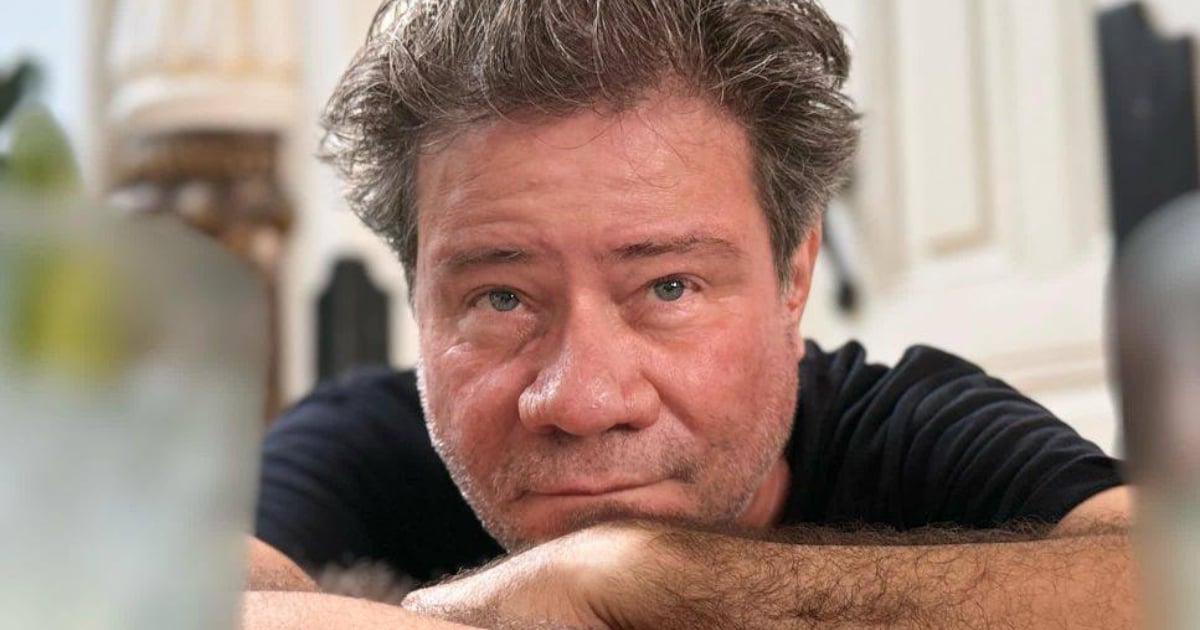
The Cuban actor and director Jorge Molina has once again moved us with his words about the difficult reality he faces in Cuba, questioning why he remains on the island despite everything.
In an interview with journalist Michel Hernández, the renowned filmmaker confessed to feeling engulfed in deep despair due to the lack of opportunities and the deterioration of the Cuban cultural landscape.
"I have always wondered what is going to happen to me. I don't know how to do anything other than art. It's tough when your profession isn't valued. I'm a human being and I have my falls. I've never thought about killing myself because I'm a coward, but I do get really depressed, and I think that's normal. Not seeing the light is hard. My daughters ask me why we are still here and say that I'm crazy," confessed Molina.
He also explained that his daughters have considered leaving the country, like thousands of other young Cubans, because they have no prospects. "I have tried to guide them, but reality is leading in another direction," Molina said in the excerpt shared by Hernández on Facebook.
The actor additionally revealed that nearly his entire family participated in his last film, highlighting the strong bond among them despite adversities: “They respect me, and as a family, we have a great dynamic,” he expressed with emotion.
The challenge of being a filmmaker in Cuba
Molina, born in Santiago de Cuba in 1966, is one of the country's most unique and controversial filmmakers. He studied at the State Institute of Cinema in Moscow and later at the International School of Film and Television in San Antonio de los Baños, graduating in 1992.
He is a cult figure in Cuban cinema, with a filmography that spans horror, science fiction, and eroticism—genres that have been scarcely explored in national cinematography. His work has been systematically marginalized by the Cuban Institute of Art and Cinematographic Industry (ICAIC), remaining outside of the official distribution circuits.
In an interview with CiberCuba, Molina described himself as an "alternative filmmaker," a title that reflects his resilience and creative independence in the face of the regime's cultural control.
Filed under: