
Related videos:
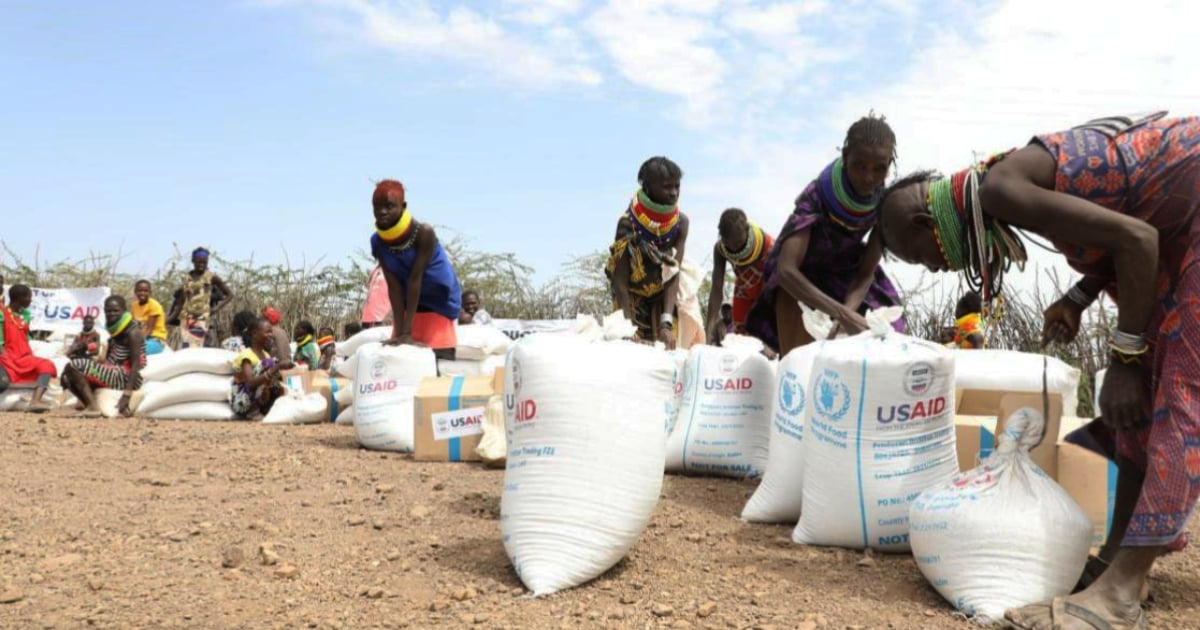
The dismantling of the U.S. Agency for International Development (USAID) is said to have already caused the deaths of over 600,000 people worldwide, according to a recent report from the Impact Metrics Dashboard and an article published by The New Yorker, authored by the physician and former agency official Atul Gawande.
Most of the victims—two-thirds—would be children under five years old, affected by the suspension of essential health and food programs.
The closure of USAID was ordered in January 2025, just hours after the inauguration of President Donald Trump, who signed a decree to “pause” all international assistance.
The Secretary of State, Marco Rubio, sent a communication suspending all active programs, leaving thousands of workers without pay and halting the distribution of medicines and food, including those that were already in storage.
According to Gawande, the decision "was an unprecedented blow that turned American cooperation into a public death machine manufactured by humans."
The Impact Metrics Dashboard, updated on June 26, 2025, estimates that total program disruptions and cancellations resulted in 198,000 adult deaths and over 412,000 child deaths, at a rate of 88 deaths per hour.
The most affected programs include those aimed at combating malaria, HIV/AIDS, tuberculosis, childhood malnutrition, and pneumonia. In the area of childhood malaria alone, there are over seven million additional cases and more than 53,000 deaths attributed to the lack of treatment and prevention.
The report from The New Yorker illustrates the human consequences of the measure through the documentary Rovina’s Choice, filmed in Kenya.
In the Kakuma refugee camp, where supplies from the World Food Program were reduced to 40% of the minimum required, acute malnutrition rates soared, and two-thirds of the community health staff were laid off. One of the key figures, Rovina Naboi, fights to keep her daughter Jane Sunday alive in a clinic overwhelmed by a lack of resources.
Before its closure, USAID was responsible for managing more than twenty epidemic outbreaks, maintaining the Ukrainian healthcare system during the war with Russia, and reducing maternal and child mortality in dozens of countries.
An analysis published in The Lancet estimated that the agency had saved 92 million lives over the past two decades, with an annual budget of just 24 dollars per U.S. taxpayer.
Gawande's article also denounces the elimination of the data monitoring system and the dismissal of inspectors general, which—he warns—aims to conceal the true extent of the damage.
Experts compare this opaqueness to the data censorship during the "Great Leap Forward" of Mao Zedong, when millions died without official record.
The consequences of the closure of USAID could take years to be fully measured, as deaths from HIV, tuberculosis, or preventable diseases manifest slowly.
However, the consensus among experts is clear: the dismantling of the agency has reversed decades of global health progress and represents one of the greatest humanitarian disasters driven by political decisions in times of peace.
“Each number represents a life cut short by political decisions,” concludes the report from the Impact Metrics Dashboard. And, as Gawande cautions, “the cruelty and lethality will only increase if the regression of public health advances continues, both abroad and within the United States.”
Filed under: