
Related videos:
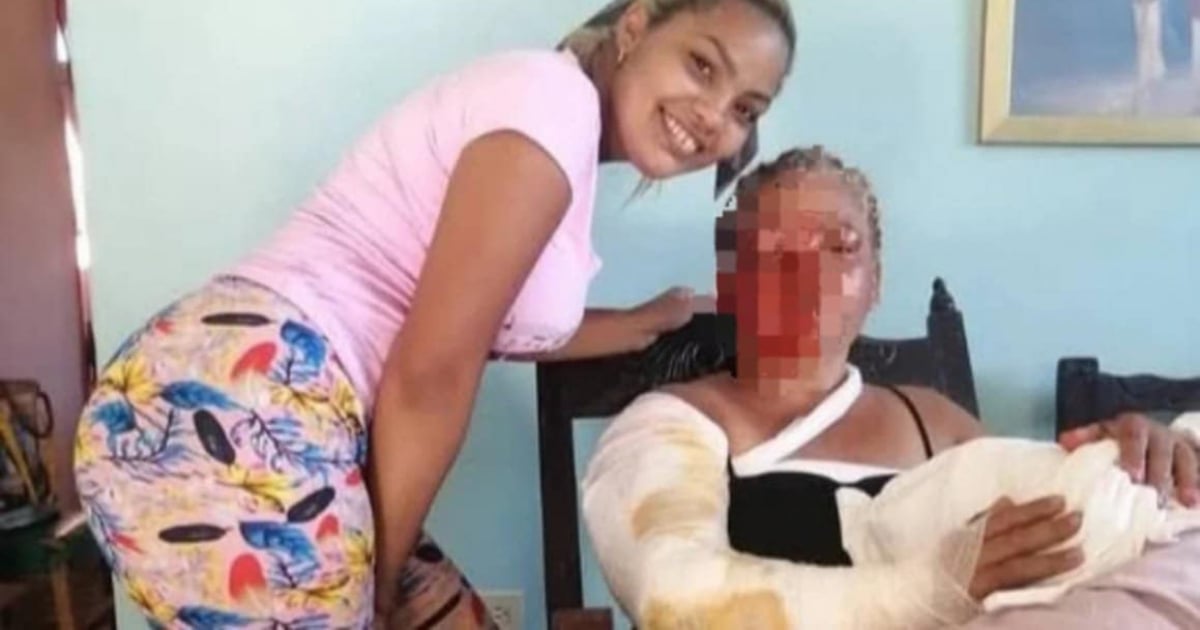
In Bayamo, a distressed daughter has had to turn her pain into a public appeal to try to save her mother.
Without any other option, Marilin Polo published an urgent request for blood donors with B- and O- types on Facebook, making it clear that every minute counts.
"Those donations are vital for my mother's life," he wrote, in a plea that has become all too common in present-day Cuba.
Marilin even offered to pay for the donations, confirming the seriousness of the situation: her mother, Ana María Benítez Pompa, 53 years old, urgently needs blood and the hospital cannot guarantee it.
The young woman provided her personal information and contact numbers: 51251709 or 5160812, hoping that a stranger, moved by solidarity, would go to the Provincial Blood Bank of Bayamo before it’s too late.
Their two messages reveal not only the personal desperation of a family but also the structural collapse of the healthcare system in the province of Granma and throughout the country.
If it weren't for that citizen solidarity, hundreds of patients in Cuba would simply have no real chance of survival.
A plea that refutes the official narrative
The drama of this family contrasts sharply with the statements made by the health authorities of Granma just a few weeks ago.
At the end of October, health sector officials publicly stated that the Bayamo blood bank was prepared and had "all the conditions" to receive donations in anticipation of Hurricane Melissa.
The provincial director of Health, Yelenis Elías Montes, stated at that time that the personnel and resources were ready to face any emergency.
But reality has imposed itself once again: while the state apparatus boasts of organization and capacity, the affected families experience the daily grind of absolute scarcity.
If the institution were truly well-stocked, Marilin wouldn't have to turn to social media to plead for her mother's life. This case once again highlights the contradiction between what the authorities say and what citizens experience when they arrive at a hospital.
A crisis that repeats itself time and again
What this family from Bayamo is experiencing is not an isolated incident; it is part of a long chain of personal emergencies that have turned into public pleas.
In just the last few months, other cases have shaken the population.
One was about a two-year-old girl with leukemia in Holguín who needed two daily platelet donations. The family had to urgently seek help online because the hospital could not ensure the supply.
A 38-year-old man, also with leukemia, had to record himself asking for help from his bed in Ciego de Ávila: "I need blood. I need help," he cried out, due to the lack of reserves at the medical center where he was hospitalized.
These requests, multiplied across the Island, not only reflect the chronic lack of equipment, supplies, and medications, but also the deterioration of a hospital system that is unable to meet even the most basic needs.
Without blood, without reagents, without minimum conditions, it is families - and not institutions - that have taken on the burden of keeping their loved ones alive.
A country where support is found in networks, not in institutions
In a context of deteriorating hospitals, laboratories lacking supplies, and blood banks that barely operate nominally, the Cuban people have made social media a collective lifeline.
There are requests for blood circulating, medications that are impossible to obtain, nonexistent reagents, and the data of patients who rely on the generosity of strangers.
The story of Marilin and her mother is another reminder of the everyday neglect that the sick endure in Cuba. When the State does not provide even the basics needed to save a life, it is the people who come together, donate, share, spread the word, and informally fill a service that should be the responsibility of institutions.
In Bayamo, while Marilin continues to post and repost her request in the hope that someone may donate in time, her case adds to the long list of Cubans who have had to turn their pain into a public plea.
A plea that should not exist, but today is the only way to save lives in a country where health has ceased to be a guaranteed right and has become a lottery marked by scarcity, deterioration, and official silence.
Filed under: