
Related videos:
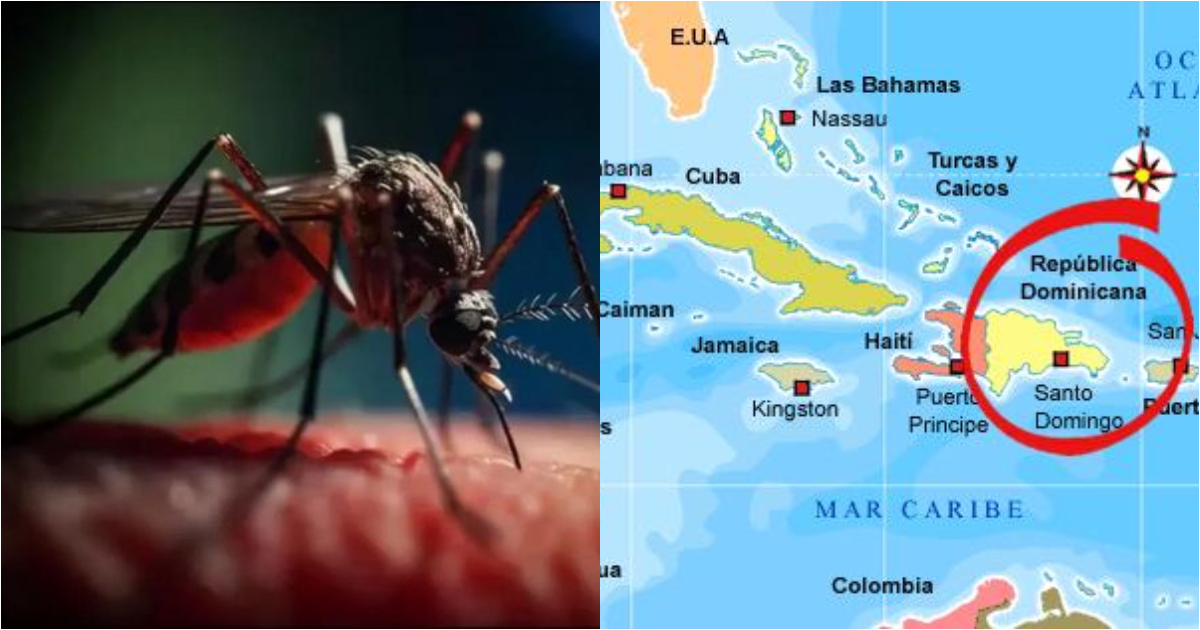
The Ministry of Public Health of the Dominican Republic informed on Thursday that three imported cases of chikungunya have been detected in the country, all originating from Cuba, and clarified that there is currently no community transmission in the national territory.
The announcement comes as the largest archipelago in the Caribbean faces a complex epidemiological situation, with several municipalities in an epidemic phase due to this arbovirus.
The institution explained that the cases were identified through the national epidemiological surveillance system and confirmed through tests conducted at the National Reference Laboratory Dr. Defilló, as part of the routine protocol for the early detection of arboviral diseases, reported Diario Libre.
The Minister of Health, Víctor Atallah, stated that this finding confirms the effectiveness of the surveillance system and emphasized that “there is no cause for alarm; these are imported cases detected in a timely manner.”
In response to the sustained increase in cases in the Caribbean region, especially in Cuba, the Ministry of Public Health has decided to strengthen epidemiological surveillance actions, actively search for individuals with fevers in communities, and intensify vector control campaigns, which include fumigation, elimination of breeding sites, and community guidance.
In addition, health monitoring measures at airports, ports, and border crossings remain strengthened.
The Ministry reported that they have strengthened the preparation and response protocols in health centers, ensuring diagnostic capacity, proper clinical management, and timely care if necessary.
These actions follow the recommendations of the Pan American and World Health Organization in light of the risk of reintroducing chikungunya in countries without active transmission.
The institution reiterated its call to the public to maintain prevention measures at home by eliminating objects that collect water, covering tanks, using repellents, and participating in community events coordinated by the Provincial and Health Areas.
"The population can be at ease. We are monitoring the situation daily and have teams on the ground. The important thing is to reinforce prevention," stated Minister Atallah.
The detection of imported cases from Cuba reflects the seriousness of the epidemiological situation on the island, where health authorities have acknowledged that prevention against the transmitting mosquito has failed and that there is an underreporting of non-specific febrile cases and individuals in recovery.
The Dominican Ministry of Public Health stated that it will continue to provide updated information through its official channels and emphasized the importance of maintaining preventive measures to prevent imported cases from causing local transmission of the disease.
Cuba is facing a serious epidemiological crisis, characterized by the high incidence of arbovirus diseases such as chikungunya and dengue, along with other illnesses.
Its rapid expansion in Cuba is attributed to the high density of Aedes Aegypti mosquitoes, the movement of people, and deficiencies in national healthcare management.
The Ministry of Public Health (Minsap) reported on Wednesday more than 4,400 fever cases, without specifying what their diagnosis is.
Currently, 45,617 Cubans are under income due to undiagnosed fever, while 101 are in intensive care, 64 of whom are minors.
Minsap also confirmed 242 new cases of dengue, 176 more than the previous day, with a positivity rate of 16.6%.
The most affected provinces are Pinar del Río, Holguín, Granma, Matanzas, and Mayabeque. As for Oropouche fever, no new cases of infection have been reported.
Regarding chikungunya, 628 new cases were reported, but only 47 of them were confirmed by PCR. In total, 35,452 people have fallen ill in 15 provinces, according to the source.
The anti-vector situation is also critical. Three hundred thirty-three new outbreaks of the Aedes aegypti mosquito have been detected, with a national infestation rate of 0.71%, with Camagüey, Pinar del Río, and Sancti Spíritus being the most affected.
Filed under: