
Related videos:
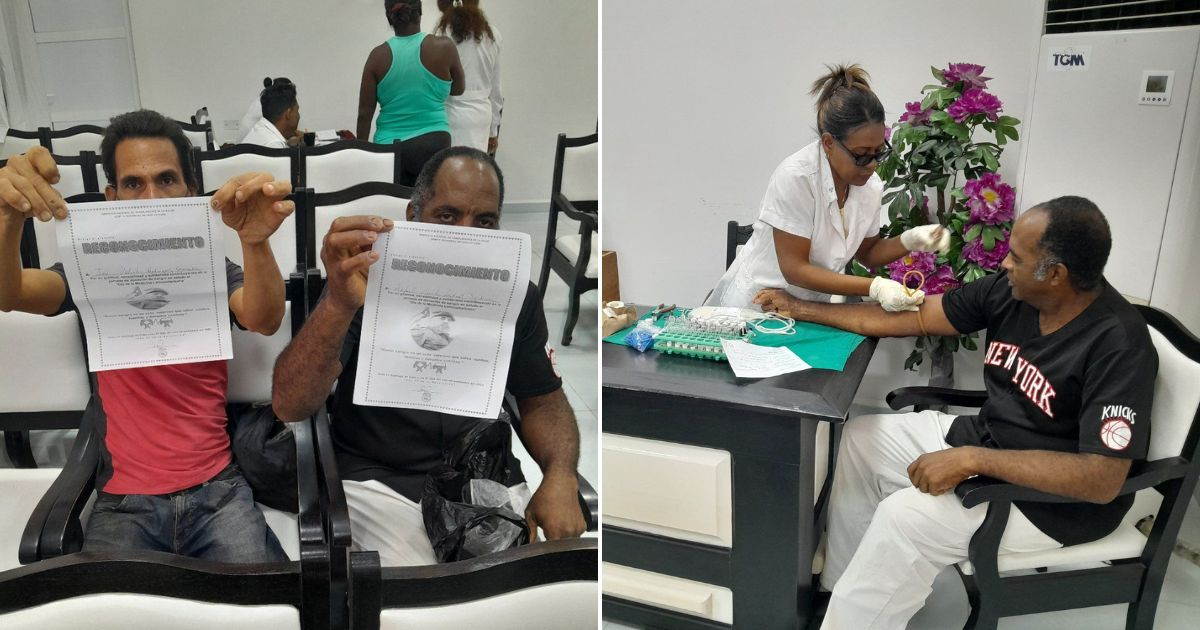
The "Saturnino Lora Torres" Provincial Clinical Surgical Teaching Hospital in Santiago de Cuba published an emotional note about a blood donation event among its staff, described as a "gesture that saves lives."
And although blood donations certainly save lives, the reality outside the hospital walls is far from the official message.
The post, recently shared on the Facebook page of the hospital, described how a group of doctors, nurses, and staff "stepped up" in a "silent but powerful mission": donating blood to help patients in need.
The text, accompanied by photographs and messages of gratitude, highlighted the commitment of the healthcare workers at the center, describing them as “heroes with giant hearts” who “give the most valuable gift: life.”
However, the message contrasts with the everyday experience of thousands of Cubans who, facing a shortage of blood in hospitals and provincial banks, turn to social media to urgently plead for donations for family and friends.
Platforms like Facebook have become spaces where desperate calls for blood and platelet donations multiply, both for adults and for children with serious illnesses.
The shortage of reagents, conservation equipment, and regular donors has worsened the crisis in recent years, not to mention that the Cuban regime has turned the sale of blood into a business to fill its coffers.
Despite this, the regime uses institutional donation campaigns as instruments of propaganda, praising the "spirit of solidarity" of the medical staff, while concealing the structural precariousness of the healthcare system and the population's distrust of centralized donations.
The contrast between the official narrative and the healthcare reality highlights a constant in Cuba: individual gestures of humanity become propaganda showcases for a collapsed system, where solidarity compensates for what the State does not provide.
Filed under: