
Related videos:
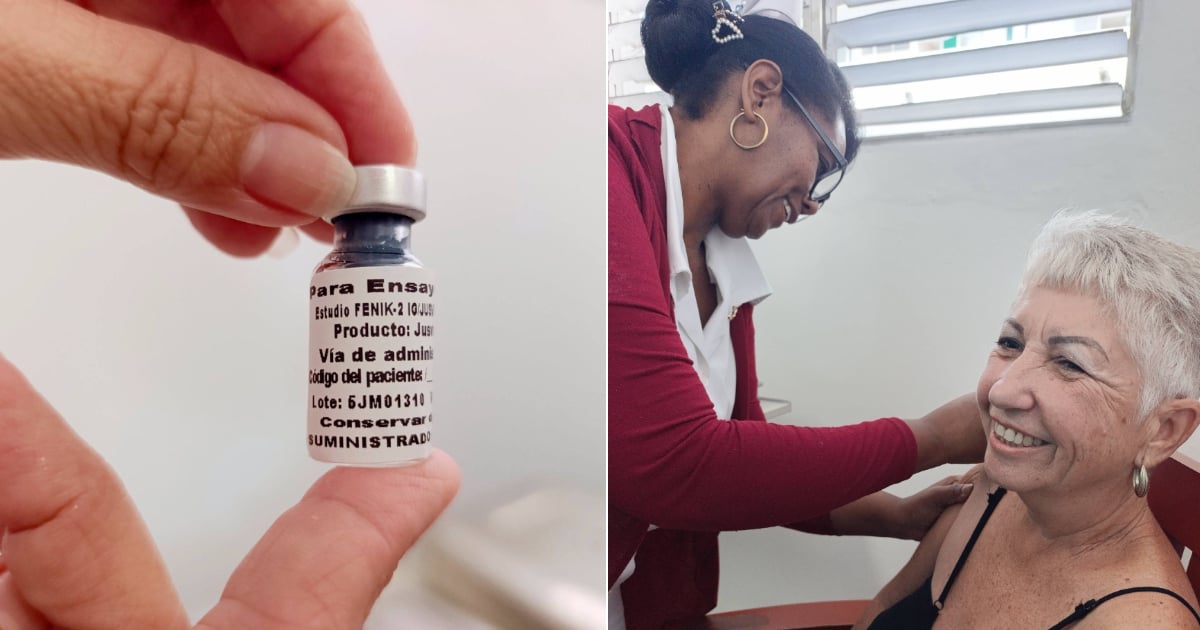
The Faustino Pérez Provincial Clinical Surgical Teaching Hospital in Matanzas has announced a call for volunteers to participate in a clinical trial aimed at evaluating the medication Jusvinza in patients with chronic sequelae of chikungunya.
In a post on its Facebook page, the center reported that the study “is part of the FENIK-2 project, led by the Faustino Hernández Hospital and the Center for Genetic Engineering and Biotechnology (CIGB).” As explained by the institution, the aim of the trial is “to evaluate the safety and therapeutic effect of Jusvinza in patients with chronic sequelae of chikungunya.”
The hospital detailed that the call is directed to individuals aged between 19 and 80 years who have been diagnosed with chikungunya and continue to experience persistent symptoms—such as “joint pain, inflammation, or morning stiffness for more than three months”—after recovering from the illness. “Patients will be divided into two groups: one will receive Jusvinza along with conventional treatment, and the other will continue with the standard therapy from MINSAP,” specified the healthcare center.
The study leaders also indicated that the trial "is conducted under a controlled, randomized design and with methodological rigor," and assured that "all participants will receive specialized medical care and clinical follow-up."
The announcement generated numerous reactions on social media, with dozens of people expressing interest in participating or sharing the prolonged effects of the virus. “I can barely walk, I have arthritis and chronic chikungunya, can I be a candidate?” wrote one user. Another stated that she has been experiencing “stiffness, inflammation, and cramps for four months” and that she can't sleep due to the pain.
Some people claimed to have received the drug during earlier phases of the study. “I recommend to all those who are in the acute phase for more than three months to join the clinical trial... we have had extraordinary improvement, we have no pain and we can walk,” commented one individual, who expressed gratitude to the medical team and described the medication as “wonderful.”
However, critical and skeptical voices also emerged. Some users described the research as "an experiment with guinea pigs," while others lamented that "there are neither painkillers in pharmacies nor basic medications for pain." Others questioned why the study does not extend to provinces like Havana, where there are also numerous cases of people with lingering effects.
The initiative from the Matanzas hospital complements the clinical trial announced by the Cuban government in early December, which evaluates the use of Jusvinza —an anti-inflammatory peptide developed by the CIGB— to treat the persistent joint sequelae of chikungunya.
According to official reports, the study includes 120 patients between the ages of 19 and 80, divided into two groups of 60, and plans for "nine subcutaneous doses over six weeks, administered on an outpatient or inpatient basis." The research is led by a team headed by Dr. Yudisay Reyes Pelier, an Oncology specialist and a member of the Clinical Research Group at CIGB.
Jusvinza (CIGB-258) was authorized during the COVID-19 pandemic to treat severe cases of systemic inflammation. The director of CIGB, Dr. Eulogio Pimentel, has defended its safety and usefulness for chronic inflammatory diseases, although the results of its previous applications have not been published in peer-reviewed international scientific journals.
The call from Hospital Faustino Pérez reflects both the interest of Cuban science in finding local solutions and the serious structural limitations of the healthcare system. In Matanzas, as in the rest of the country, the shortage of medications, the lack of diagnostic resources, and the precariousness of hospitals exacerbate the situation for those suffering from the aftermath of the virus.
While the authorities promote new clinical trials, many Cubans are reporting their inability to access painkillers or basic treatments. “We are willing to try anything, but there isn’t even paracetamol,” lamented a user in the comments section of the hospital.
Chikungunya, transmitted by the Aedes aegypti mosquito, has left a growing number of patients with chronic pain in Cuba. With no specific therapies available, interest in Jusvinza is increasing among those seeking relief, although its efficacy against post-viral sequelae has not yet been scientifically proven.
Cuban science seeks to advance, but public health continues to await structural responses that go beyond clinical trials and result in real improvements for the population.
Filed under: