
Related videos:
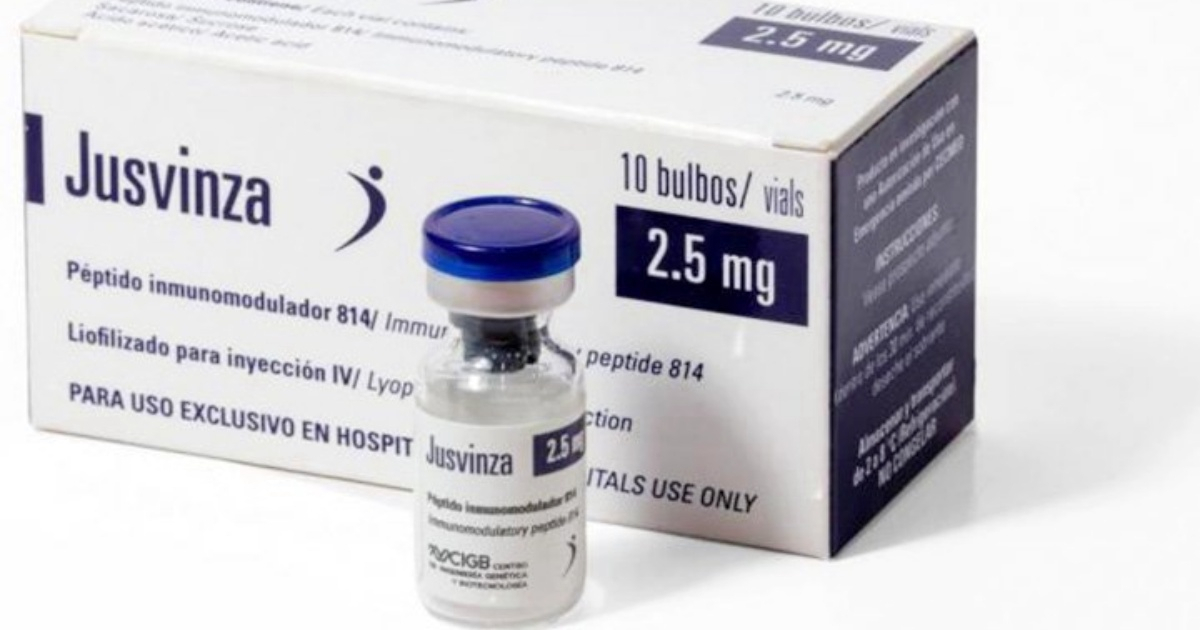
The Cuban government has initiated a clinical trial in Matanzas with the medication Jusvinza, developed by CIGB, to evaluate its effectiveness in treating persistent joint sequelae from chikungunya, a complication that affects the quality of life of hundreds of patients in the country following recent epidemic outbreaks.
The study, which began a week earlier, commenced at the “Comandante Faustino Pérez” Provincial Clinical Surgical Hospital, where a team led by Dr. Yudisay Reyes Pelier, an Oncology specialist and member of the Clinical Research Group at the Center for Genetic Engineering and Biotechnology (CIGB), is coordinating the research, according to Periódico Girón on Facebook.
According to the official journalist Yunielis Moliner, the study includes 120 patients aged between 19 and 80, all with a confirmed diagnosis of chikungunya and residual polyarthritis lasting more than three months.
The volunteers were divided into two groups of 60 people: intervention group: will receive Jusvinza along with the conventional treatment; and control group: will continue exclusively with the usual therapy.
The treatment involves nine subcutaneous doses administered over six weeks, either on an outpatient basis or in a hospital setting, depending on the case.
It is important to remember that the Ministry of Public Health has confirmed that three viruses are currently circulating actively in the country: Chikungunya—the most impactful at present—dengue, and Oropouche.
What is Jusvinza?
Jusvinza (CIGB-258) is an anti-inflammatory peptide developed by the Center for Genetic Engineering and Biotechnology. It received emergency health authorization during the pandemic to treat severe cases of COVID-19, where it demonstrated the ability to modulate extreme inflammatory responses.
The director of CIGB, Dr. Eulogio Pimentel, has stated that the drug "has proven to be safe" and that its development aims to provide affordable alternatives for chronic inflammatory diseases that lack accessible treatments.
A growing problem in the population
Residual polyarthritis is one of the most common consequences of chikungunya and can persist for months or years, impacting mobility, sleep, productivity, and quality of life. The trial is part of the strategy of the Cuban healthcare system to address these post-viral complications, in a context where there are no specific and effective therapies available internationally.
Researchers hope that Jusvinza will achieve a clinical improvement of over 70% in treated patients, which would pave the way for its widespread use in similar cases.
Local science under test
The essay emphasizes the role of the Faustino Pérez Hospital as a reference center for clinical research, and once again places Cuban biotechnology in a position where it seeks to demonstrate scientific viability with limited resources amid a health and economic crisis.
The results of the study could be known in the coming months.
A step forward or an incomplete solution?
Although the clinical trial with Jusvinza may represent a real opportunity to alleviate the aftermath of Chikungunya, it also highlights the structural limitations of the Cuban healthcare system, characterized by disorganization, scarcity, and a lack of timely responses.
The scientific initiative arrives at a time when thousands of people are still waiting not only for sophisticated cures but also for basic solutions: a pain reliever, a quick diagnosis, timely fumigation.
Cuban science is advancing, but public health requires more than just clinical trials; it needs coherence, transparency, and responsiveness to a crisis that is affecting not only hospitals but the everyday lives of millions of people.
Filed under: