
Related videos:
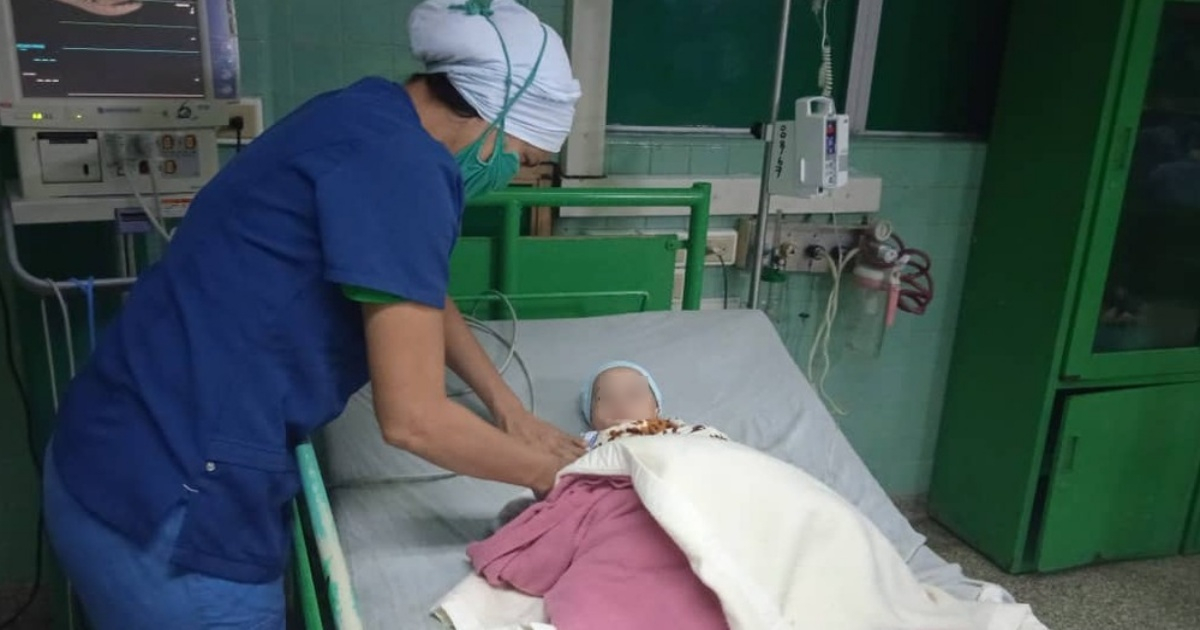
Children and adolescents account for about 65% of the severely hospitalized patients due to arbovirosis in Santiago de Cuba, in a context marked by the simultaneous circulation of dengue and chikungunya and a high health risk.
The epidemiological situation in the eastern province keeps health authorities on alert, with a particular impact on the child population and a scenario that is already being described as a syndemic due to the coincidence of dengue and chikungunya.
Of the 101 people hospitalized due to arboviruses, 66 are pediatric patients who have required intensive care, which accounts for almost two-thirds of the serious cases treated, confirmed the official newspaper Sierra Maestra.
According to sector executives, the most affected groups continue to be the elderly and children, including newborns, who have shown consequences such as encephalitis and skin complications.
In the last week, four critical cases and three severe cases were reported in individuals under the age of 19, along with one pregnant woman with associated complications.
Health authorities acknowledged that there have been fatalities, primarily due to complications arising from arboviral diseases and not directly from the virus, without providing figures, and emphasized the importance of early medical attention to avoid fatal outcomes.
In parallel, the municipalities of Santiago de Cuba, Contramaestre, and Palma Soriano account for 47.4% of the patients with fever treated in the province, while the municipalities at highest risk remain San Luis, Guamá, Mella, and the provincial capital.
Although there is a reported slight decrease in cases following the spike recorded after Hurricane Melissa on October 28, authorities acknowledge limitations in the healthcare response, including a lack of personnel to maintain intensive spraying, despite having insecticides and fuel available.
The deterioration of environmental sanitation, with clogs, leaks, and overflowing pits, continues to be an additional risk factor,
In this regard, Dr. Yaimara Gutiérrez, director of the Provincial Center for Hygiene, Epidemiology, and Microbiology, explained that 90% of the blockages occur in the municipality of Santiago de Cuba.
Regarding the drainage issues, the most affected areas are Santiago de Cuba, Segundo Frente, Palma Soriano, and Mella, while the pits that require the most attention are in Palma Soriano, Segundo Frente, and the main municipality.
The situation of chikungunya in Cuba is critical, with a significant increase in cases.
On Wednesday, 466 new cases were reported, while the country has recorded over 42,000 cases, of which only a small portion has been confirmed by PCR tests.
The disease especially affects minors under 18 years old and develops within the context of a health crisis in the country.
Health authorities in Matanzas acknowledged an increase in premature births and cases of low birth weight during the current chikungunya epidemic, which directly affects the health of expectant mothers and the indicators of the maternal and child health program.
Filed under: