
Related videos:
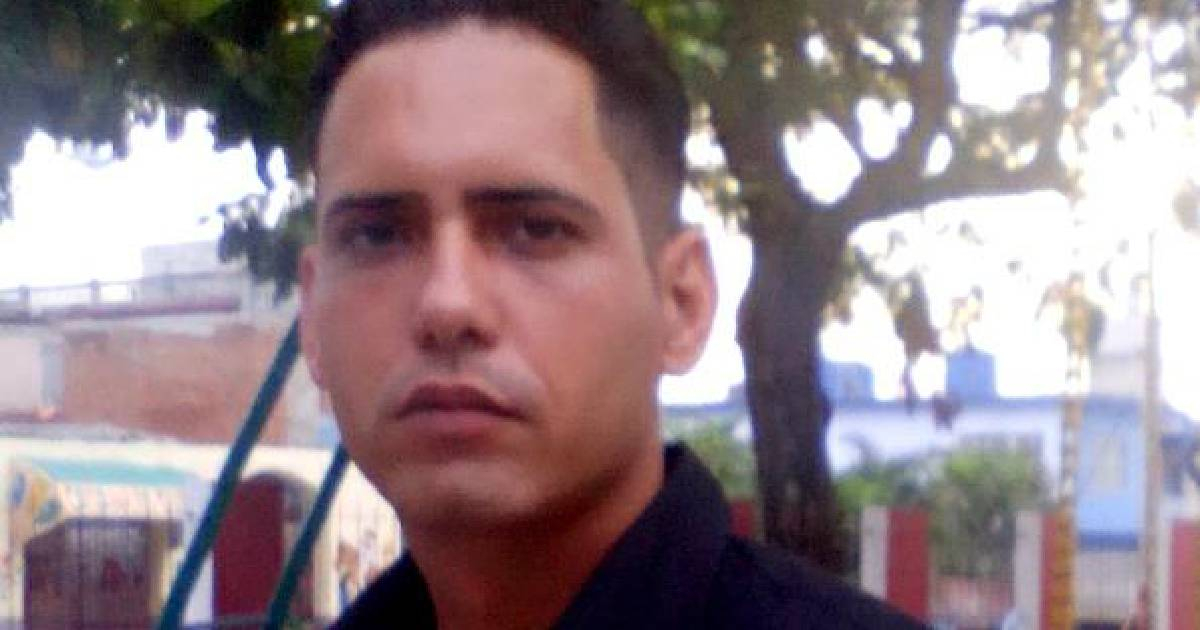
The Cuban political prisoner Yosvany Rosell García Caso, sentenced to 15 years in prison for his involvement in the protests of July 11 in Holguín, was relocated to a prison just one day after being moved to a penal ward at the Lucía Íñiguez Landín Clinical Surgical Hospital.
According to the activist Yamilka Lafita (Lara Crofs), despite her health continuing to be a cause for concern after a 40-day hunger strike, she was once again locked up behind bars.
Rosell —a blacksmith and father of three— had remained in intensive care due to the severe physical deterioration he experienced during the hunger strike, with reports of kidney failure and extreme weakness.
On December 11, he was moved to the inmate ward of the hospital, where his wife, Mailin Sánchez, was finally able to see him; however, in less than 24 hours, on December 12, he was taken out of the medical center and transferred to the Holguín Provincial Prison.
Activists warned that this provisional jail operates as a transit prison and that this movement could precede punitive transfers to more distant facilities, which—according to these allegations—would aim to isolate the inmate from his family, reduce the pressure from relatives, and inflict additional suffering on both the prisoner and his loved ones.
In that regard, they called for the case to be made visible and expressed concern over what they describe as a possible vendetta.
The family had managed to see him in the hospital after weeks without access, when Rosell moved from intensive care to another room “in the process of recovery”.
His wife then stated that they noticed him in "good spirits" and steadfast in his convictions, although he needed to regain his weight "little by little."
The hunger strike began in October and was ended after 40 days, after —according to his wife’s account— the authorities agreed to a request regarding his incarceration.
The resumption of feeding would have begun with hydration and tests to assess the kidneys and other organs, in a situation that, according to her, still posed a risk to her life.
During the most critical days, organizations such as Amnesty International and the Cuban Observatory of Human Rights (OCDH) reportedly denounced their situation and demanded their release, alerting about conditions deemed inhumane for political prisoners in Cuba.
Filed under: