
Related videos:
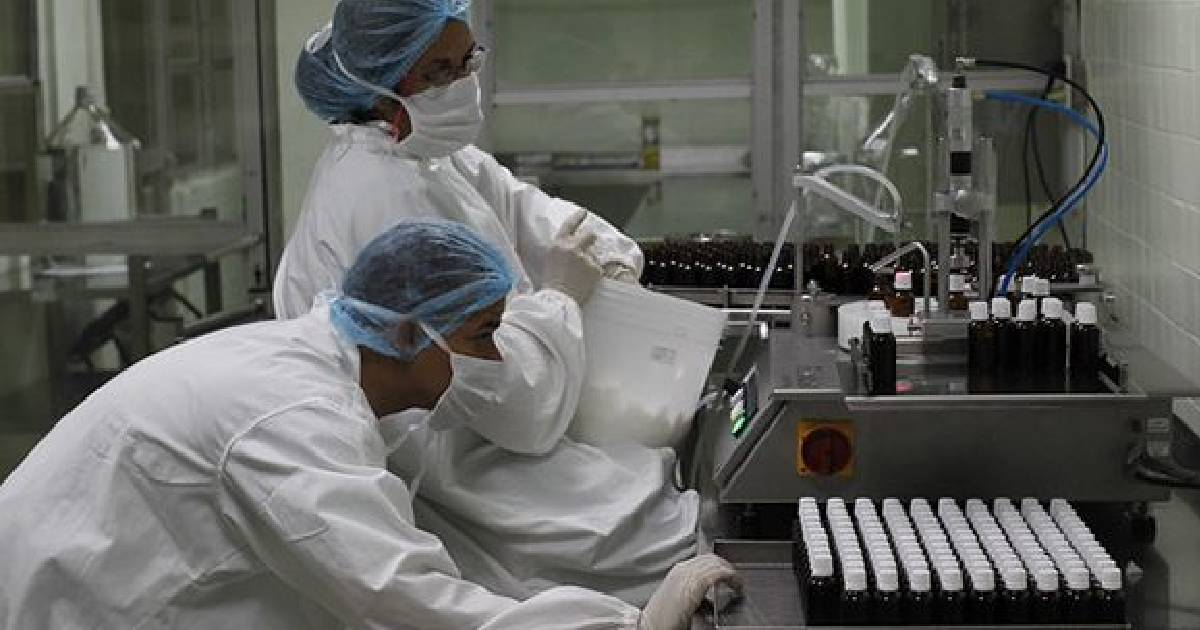
Russia and Cuba announced the establishment of their first joint venture in the biopharmaceutical sector, a project described as "historic" by official media, arriving amid one of the worst medication shortages the Island has experienced in decades.
According to Russia Today, both countries have signed an agreement to establish Sinergía Global, a joint entity dedicated to the development, production, and marketing of pharmaceuticals aimed not only at the markets of Cuba and Russia but also at Latin America and Eurasia.
The company will prioritize research on treatments for cancers, brain diseases, autoimmune disorders, and other chronic non-communicable diseases.
Cubadebate confirmed that the new company will be named Global Biopharmaceutical Synergy and will be the first of its kind located in the territory of the Russian Federation, which, according to the authorities, makes it a project of high strategic importance.
The state group BioCubaFarma stated that the commitment of both parties is to promote the development and marketing of medications that "impact the health of populations in need."
As part of the agreement, the transfer of Cuban technologies to Russia is anticipated, while the medicines developed in Russian territory will be able to be registered within the regulatory system of the Island, based on the premise of mutual benefit.
The official narrative presents this alliance as a demonstration of the "historical brotherhood" between both governments and peoples.
The announcement dramatically contrasts with the everyday reality experienced by Cubans.
While the government celebrates new international agreements, the pharmacies on the Island remain empty, and hospitals and polyclinics are lacking even the most basic supplies.
Common painkillers, antibiotics, antihypertensives, syringes, IV fluids, and essential medications for chronic treatments are either unavailable or appear intermittently, forcing thousands of families to seek solutions outside official channels.
Due to the collapse of the state supply system, many patients rely on shipments from abroad or turn to the informal market, where prices are unaffordable for most and the origins of the medications are not always verifiable.
This exposes patients to additional risks, as there is no guarantee of authenticity or proper storage conditions, a situation that exacerbates the vulnerability of individuals with serious illnesses.
In that context, the launch of Sinergía Global raises more questions than hopes.
While high-complexity medications are being promised for regional and international markets, within the country the state's inability to ensure a minimum supply persists, preventing the population from treating common illnesses.
The gap between the discourse of strategic cooperation and the daily experiences of Cuban patients reflects a healthcare policy focused more on external projection than on addressing the internal emergency facing the island's health system.
Filed under: