
Related videos:
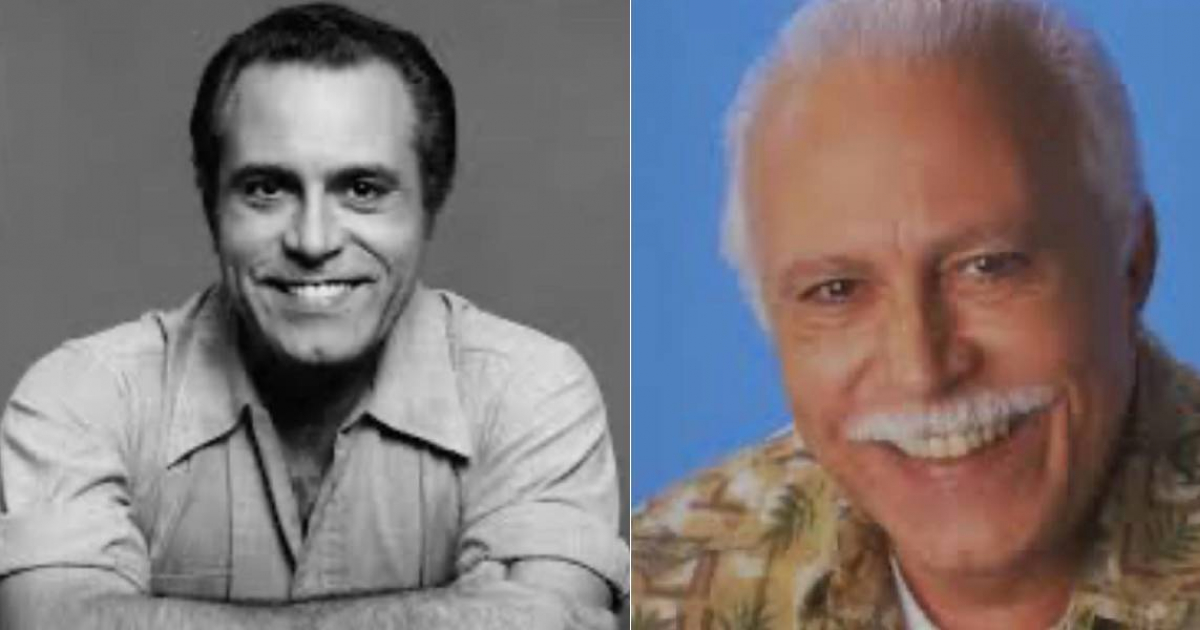
The Cuban actor Manolo Villaverde passed away last Saturday in Daytona Beach, Florida, at the age of 91, as reported by close friends and profiles associated with the historic series ¿Qué pasa USA?, a production that made him a beloved figure for several generations of Cubans in exile.
The news was shared through a profile on Facebook dedicated to What’s Happening USA?, considered the first bilingual series produced in the United States, in which Villaverde portrayed Pepe Peña, the patriarch of a family of exiled Cubans.
"Rest in peace Manolo Villaverde, our Pepe Peña. For all of us, he was not just a character: he was the Cuban father to all, guiding us with humor, love, and wisdom," says the post, accompanied by images of the actor and the cast of the series.
Originally aired between 1977 and 1980 on WPBT, and re-broadcast in the 1990s, ¿Qué pasa USA? realistically and sensitively portrayed the Cuban immigration experience in the United States, a success that Villaverde attributed to the similarities of the stories with the everyday lives of thousands of exiles.
His performance in the series earned him an Emmy Award in 1978, an honor he shared with Ana Margarita Martínez-Casado and Luis Oquendo. The cast was chosen for their strong backgrounds in theater both in Cuba and the United States.
In addition to ¿Qué pasa USA?, Villaverde participated in other notable television productions. He portrayed airline executive Rafael Santana, the father of the main character in the drama Wiseguy, which ran for four seasons, and he played the grandfather in the Nickelodeon children's show Gullah Gullah Island.
Born on August 11, 1934, Manolo Villaverde emigrated to the United States at a young age, where he studied accounting in New York and enlisted in the United States Navy in 1958, reported Diario de Las Américas.
He later returned to Cuba, where he developed a career in theater and television, until in 1964 he was forced to leave the island after being arrested for spreading propaganda against the newly established Castro regime. He later settled in Mexico and eventually in the United States, where he solidified his artistic career.
Various figures from the cultural sphere expressed their sorrow over the loss. With the death of Manolo Villaverde, a key figure of Cuban culture in exile departs, leaving an indelible mark on television and in the collective memory of a community defined by nostalgia, humor, and resilience.
Filed under: