
Related videos:
Tourism in Cuba is going through one of its most critical moments. Hotels are operating with minimal staff, experiencing power and water outages, food is insufficient, and garbage is piling up in the streets. This was recently described in a report by La Sexta, which depicts the island as a deserted country where, according to gathered testimonies, “there were companies that had as many as two flights a day, and now they are flying three times a week.”
By November 2025, official figures indicated a sustained decline in tourism, with only 2.1 million travelers recorded by October, representing 85.6% of the figures from the same period the previous year. The main sources —Canada, the Cuban community abroad, Russia, and the United States— were already showing sharp declines, especially the Russian market, which saw nearly a 36% drop in visitors compared to 2024.
The latest report from the National Office of Statistics and Information (ONEI) confirmed the trend: by November 2025, Cuba received 2,343,944 travelers, a decrease of 13.8% compared to the same period last year. Canada remained the main source market, but with a significant decline, while Russia, Spain, and the United States also notably reduced their flow of visitors.
The collapse of tourism, a traditional source of foreign currency for the regime, coincides with a structural deterioration of the Cuban economy and the loss of Venezuelan oil supplies following the capture of Nicolás Maduro. Since then, the United States has intensified pressure on Havana. “There will be no more oil or money for Cuba. Nothing!” wrote President Donald Trump on his social media platform Truth Social, making it clear that Washington aims to cut the financial flow that has supported the Cuban government for years.
The lawyer and analyst Rafael Peñalver explained that Trump's message refers not only to Venezuelan oil but also to state control over the remittances that emigrants send to their families. "It's a very sensitive issue from a moral and familial perspective," he said, warning that a significant portion of that money ends up in the hands of the state and contributes to sustaining the repressive apparatus.
The loss of income from tourism and remittances exacerbates an internal crisis marked by scarcity, blackouts, and the collapse of basic services. In several provinces, the accumulation of waste and lack of sanitation have led to the spread of viruses and diseases, according to local media and testimonies on social networks.
While the regime insists on blaming the U.S. embargo, the economic decline is accelerating. Miguel Díaz-Canel has once again appealed to the "spirit of resistance" and the rhetoric of sovereignty, but official figures show a sustained drop in tourism, one of the country's main sources of foreign currency.
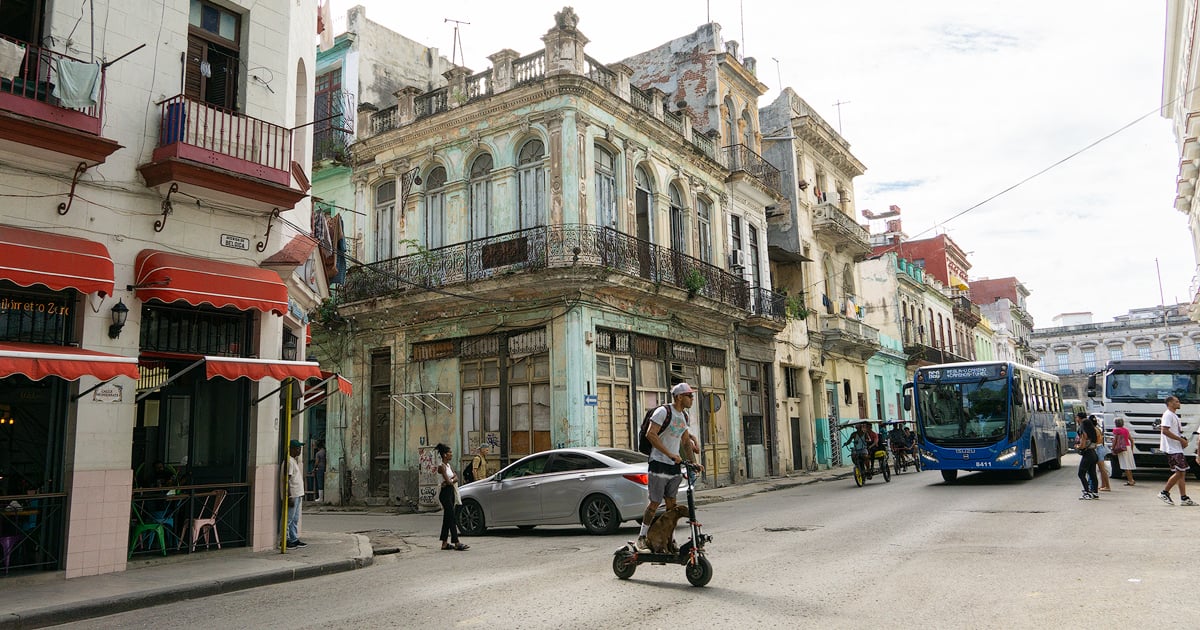
Havana, once a symbol of glamour and modernity in the Caribbean, now faces a landscape of half-empty hotels, deteriorating streets, and a population weary from the crisis. Without Venezuelan oil, without foreign currency, and with fewer foreign visitors, Cuba seems to be drifting further away from the tourist splendor that once made it the most visited destination in the Caribbean.
Filed under: