
Related videos:
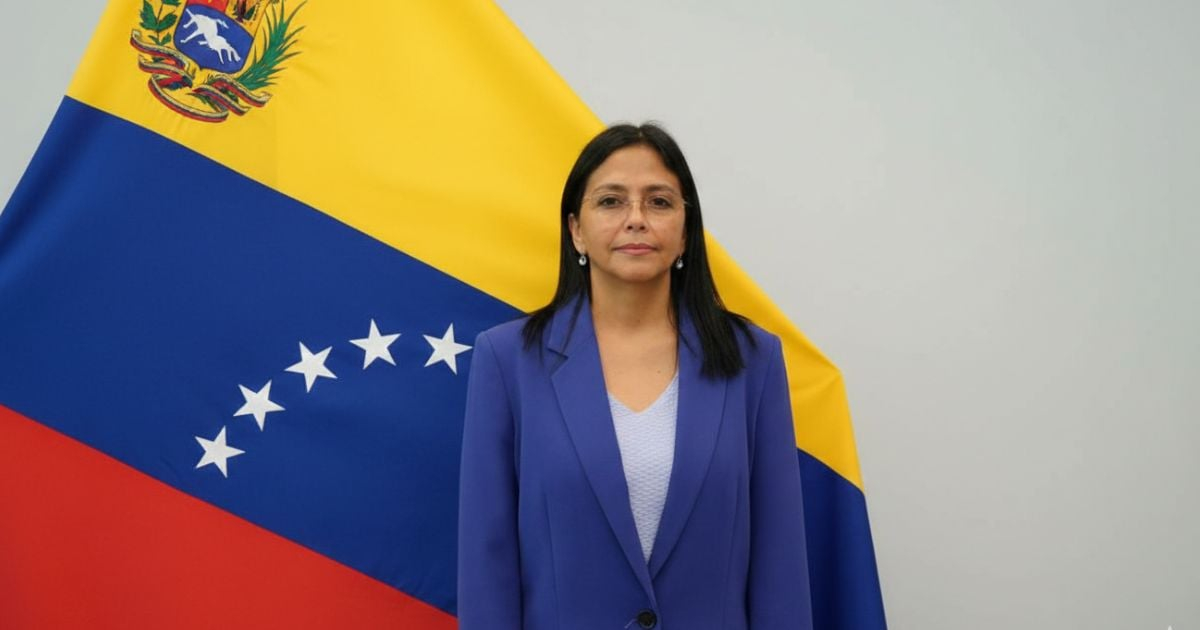
The interim president of Venezuela, Delcy Rodríguez, introduced a significant legal reform that would allow foreign and local companies to operate oil fields without state control, opening the sector to private capital for the first time since the era of Hugo Chávez.
According to the agency Reuters, the proposed reform to the Hydrocarbons Law, submitted last week to the National Assembly, aims to transform the core of the Venezuelan energy model by changing the regulation that for two decades kept PDVSA as the dominant and sole operator.
The proposal would allow companies—both national and international—to produce and market oil independently, sign contracts directly with PDVSA, and receive the revenues from crude sales, even if they only participate as minority partners.
Lawmakers approved the text in a first vote this Thursday, following a supply agreement of 50 million barrels reached between Caracas and Washington at the beginning of the month, after the capture of former President Nicolás Maduro by U.S. forces.
President Donald Trump emphasized that the agreement gives the United States "control over the country's main source of income."
The President of the Parliament, Jorge Rodríguez, defended the initiative before the deputies: “Oil underground is worthless."
"We need to attract foreign investment," he stated during the session, in which there were no votes against.
The reform —which requires a second parliamentary approval— paves the way for unprecedented liberalization in the Venezuelan oil industry, traditionally controlled by the state and its parent company, Petróleos de Venezuela (PDVSA).
The project also aims to reduce royalties and taxes by up to 15% for high-risk or large investment projects, compared to the current 33%, with the goal of encouraging private participation.
"These fields require large investments, but to achieve this, there must be flexibility in the royalties," noted Deputy Orlando Camacho while presenting a summary of the project before the Assembly.
The changes also include the option to resort to international arbitration to resolve disputes, a long-standing demand from foreign companies following the conflicts and asset expropriations that occurred during the governments of Chávez and Maduro.
Analysts consulted by Reuters caution, however, that the reform could conflict with the Venezuelan Constitution, which reserves the core activities of the oil industry for the State. They also note that its implementation would require repealing multiple complementary laws passed under previous administrations.
For Washington and the energy companies involved, the initiative represents a key opportunity within the $100 billion reconstruction plan that accompanies the transition process spurred by Maduro's fall.
Investors, however, demand full autonomy to produce and export in a country that has lost its appeal due to nationalizations, litigation, and international sanctions.
Despite legal doubts, the reform marks a historic shift: Delcy Rodríguez distances herself from the statist Chavista dogma and adopts a pragmatic approach aimed at stabilizing the Venezuelan economy through openness, foreign investment, and cooperation with the United States.
Recently, PDVSA confirmed that it is in negotiations with the United States government for the sale of crude oil volumes, within the framework of what the state company describes as "commercial relations between both countries."
In this regard, Trump stated that the South American country "will earn more money in the next six months than in the last twenty years", thanks to a petroleum agreement forged with the U.S. following the capture of Nicolás Maduro.
Meanwhile, Rodríguez reported on Monday the arrival in the country of 300 million dollars from oil sales, which —she stated— will be allocated to the foreign exchange market and the national banking system to “protect the purchasing power of workers.”
Similarly, the United States confirmed that it will allow China to continue buying Venezuelan oil, but no longer under the conditions that benefited the chavismo for years.
Filed under: